

Homeless, Incorporated
How an Expanding Industry Learned to Manage the Crisis Instead of Ending It

After decades of working inside homelessness services, I’ve learned that the greatest lie we tell ourselves is that we don’t know what works. We do. The problem isn’t a lack of data, innovation, or funding. The problem is that real solutions require decisions we are unwilling to make and truths we are afraid to say out loud.
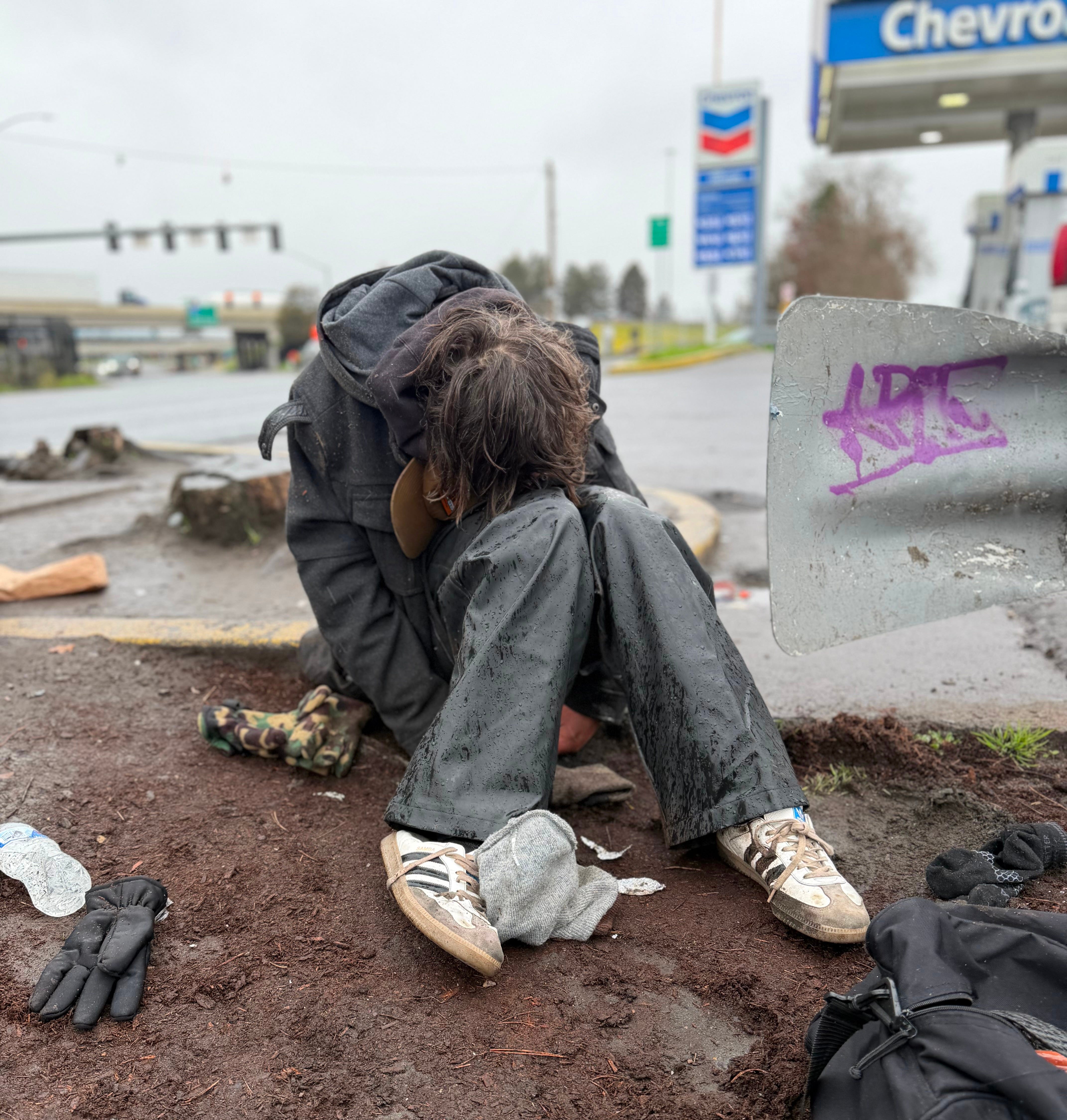
It is easier to expand systems than to fix them. Easier to signal compassion than to practice it in ways that are uncomfortable. Easier to manage homelessness than to end it.
Most people assume homelessness persists because it is too complex to solve. In reality, it persists because solving it would disrupt an entire industry built around its permanence. Over time, the system stopped being accountable to outcomes and became accountable to itself. Programs are judged by how many people they touch, not how many people leave the streets. Success is defined by engagement, not transformation. In this environment, homelessness is no longer a crisis to be resolved, but a condition to be administered.
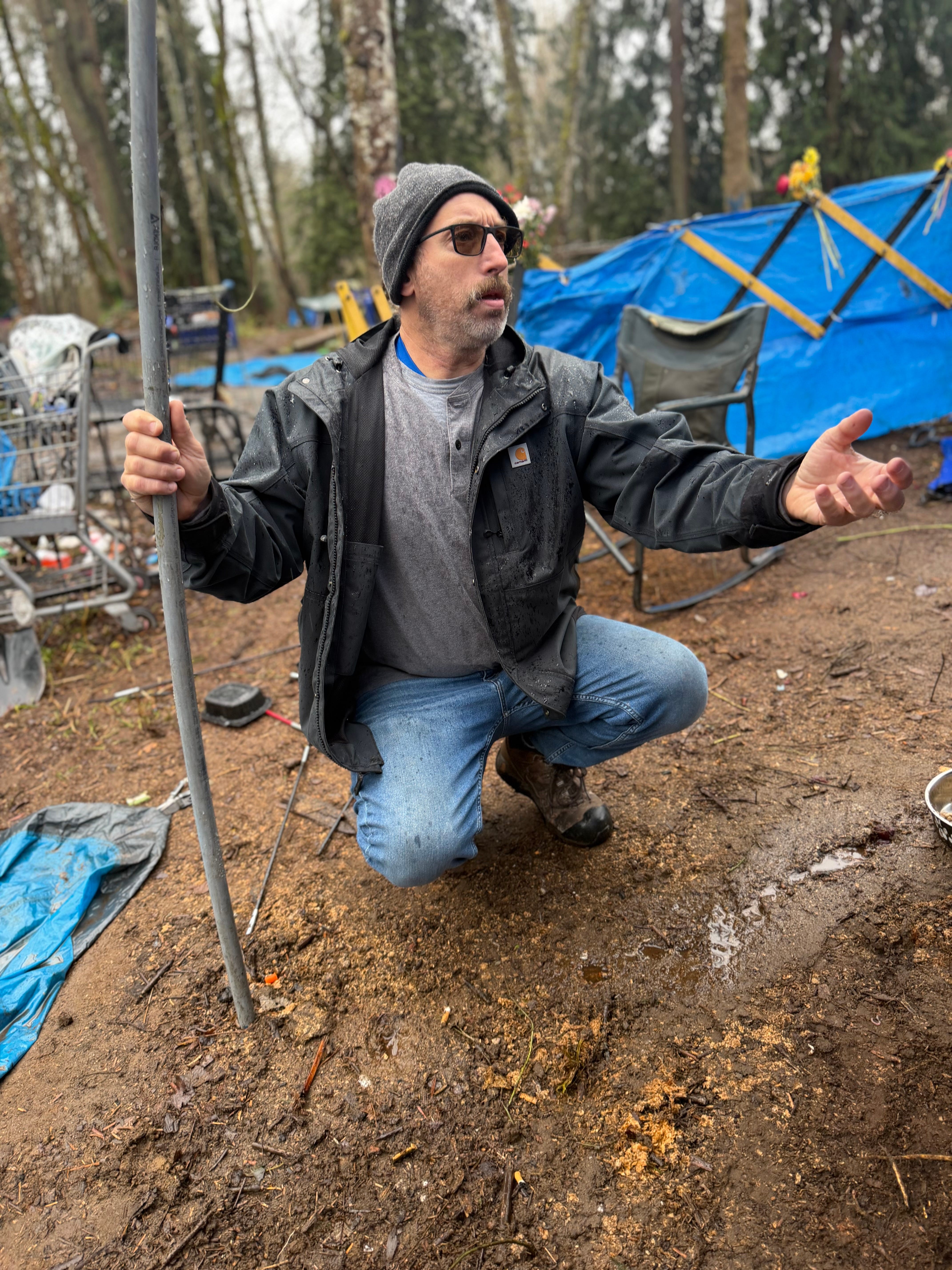
One of the hardest truths is that housing alone does not stabilize people who are deeply addicted, severely mentally ill, or both. I have watched housing placements fail because we insisted on treating housing as the solution rather than the setting in which recovery might occur. For people actively using fentanyl, methamphetamine, or alcohol at life-threatening levels, housing without treatment can become a slower form of self-destruction. When it collapses, we try again and call it trauma-informed care, quietly accepting failure as inevitable.
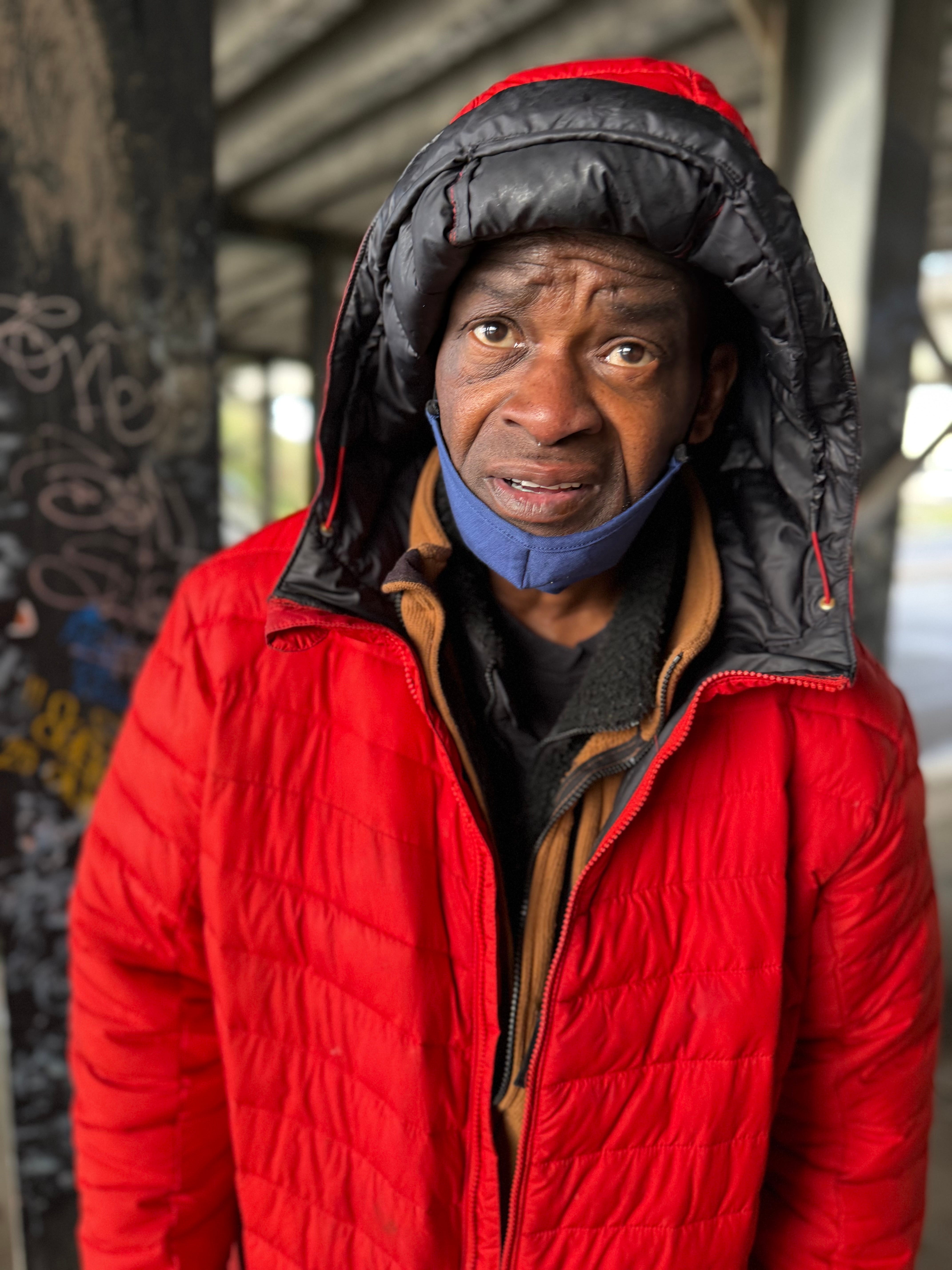
Real solutions begin with recovery, not as a moral requirement, but as a practical one. A person cannot stabilize while in the grip of serious addiction. No amount of case management, harm-reduction supplies, or wellness check-ins can substitute for sobriety when the brain itself is hijacked. Cities like Portland and Seattle know this, yet continue to build models that treat recovery as optional. We call this compassion, but too often it looks like abandonment.
Another truth we avoid is that accountability is not cruelty. When someone accepts shelter or housing, there must be expectations tied to that help: engagement in services, participation in treatment when addiction is present, and respect for shared spaces. Removing expectations does not empower people; it leaves them stuck.
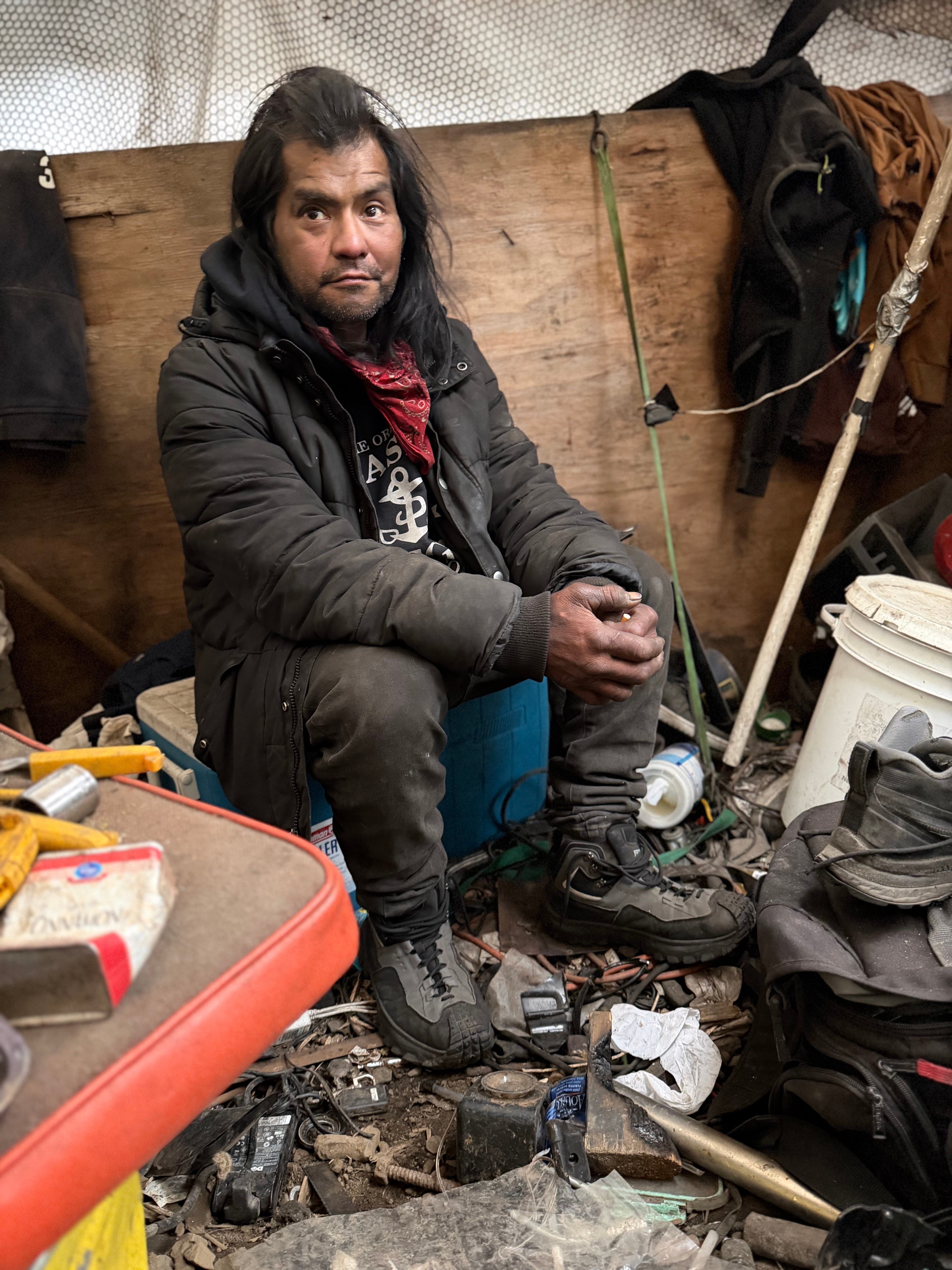
The system resists accountability because it fears being labeled punitive. But what is truly punitive is allowing people to rot in tents, overdose in porta-potties, and cycle endlessly through emergency rooms and jails while we congratulate ourselves on meeting them where they are. Meeting people where they are is a starting point, not a destination. Real help moves people somewhere better, even when they resist at first.
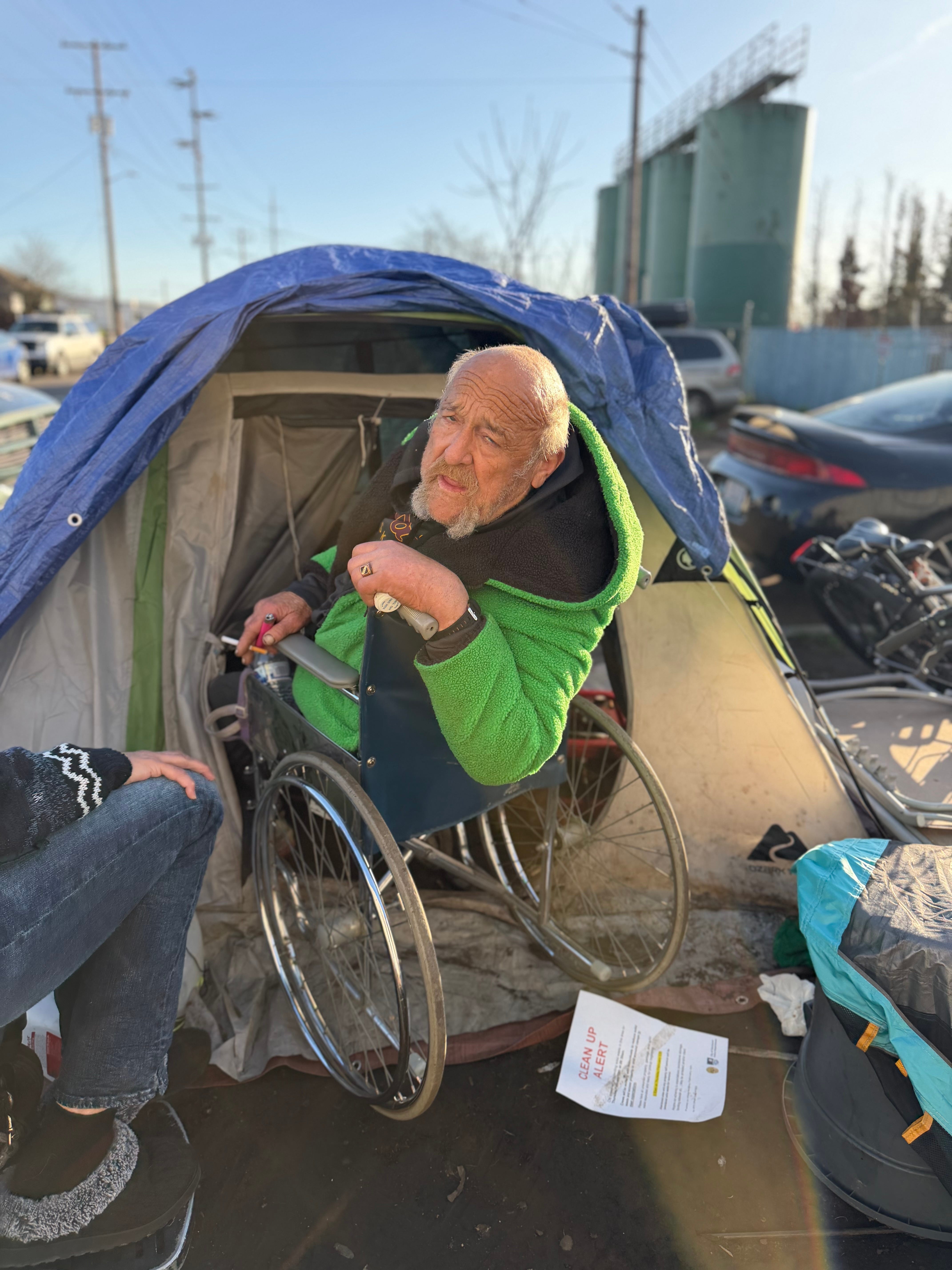
We also refuse to acknowledge that some people need structure sometimes for long periods. The belief that everyone can immediately live independently ignores the reality of severe mental illness and long-term street trauma. For many chronically homeless individuals, permanent supportive housing as currently designed is not supportive enough. What they need is stability, routine, supervision, and care that does not disappear when things get difficult. Instead, we offer maximum autonomy to those least able to manage it, then act surprised when chaos follows.
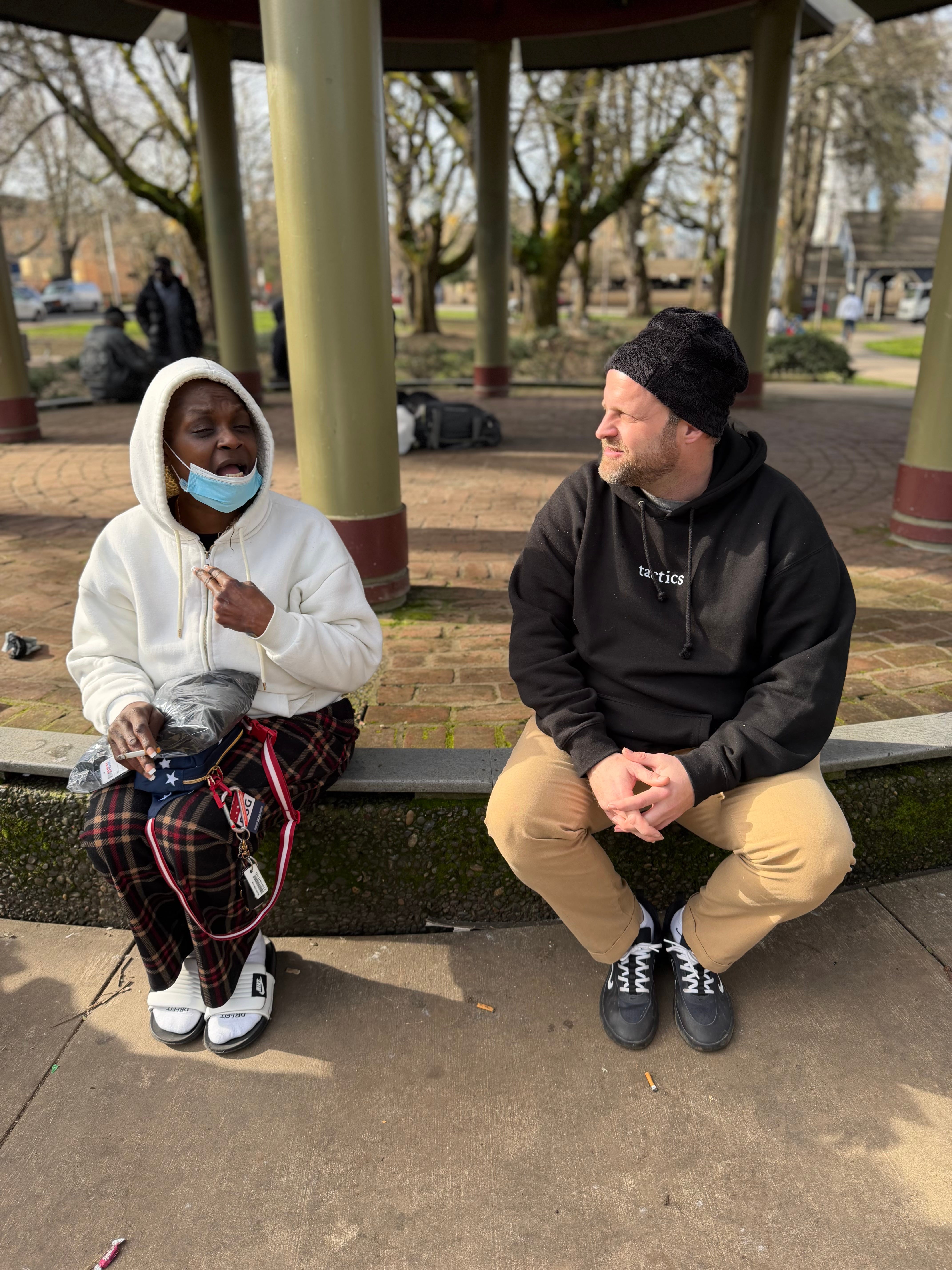
Equally damaging is how the system treats its own workers. Frontline staff see the failures up close. They know when programs aren’t working, when data is massaged, and when policies harm the very people they are meant to help. But speaking honestly comes at a cost. Those who question prevailing narratives are pushed out, labeled difficult, or quietly blacklisted. A system that punishes honesty cannot reform itself.
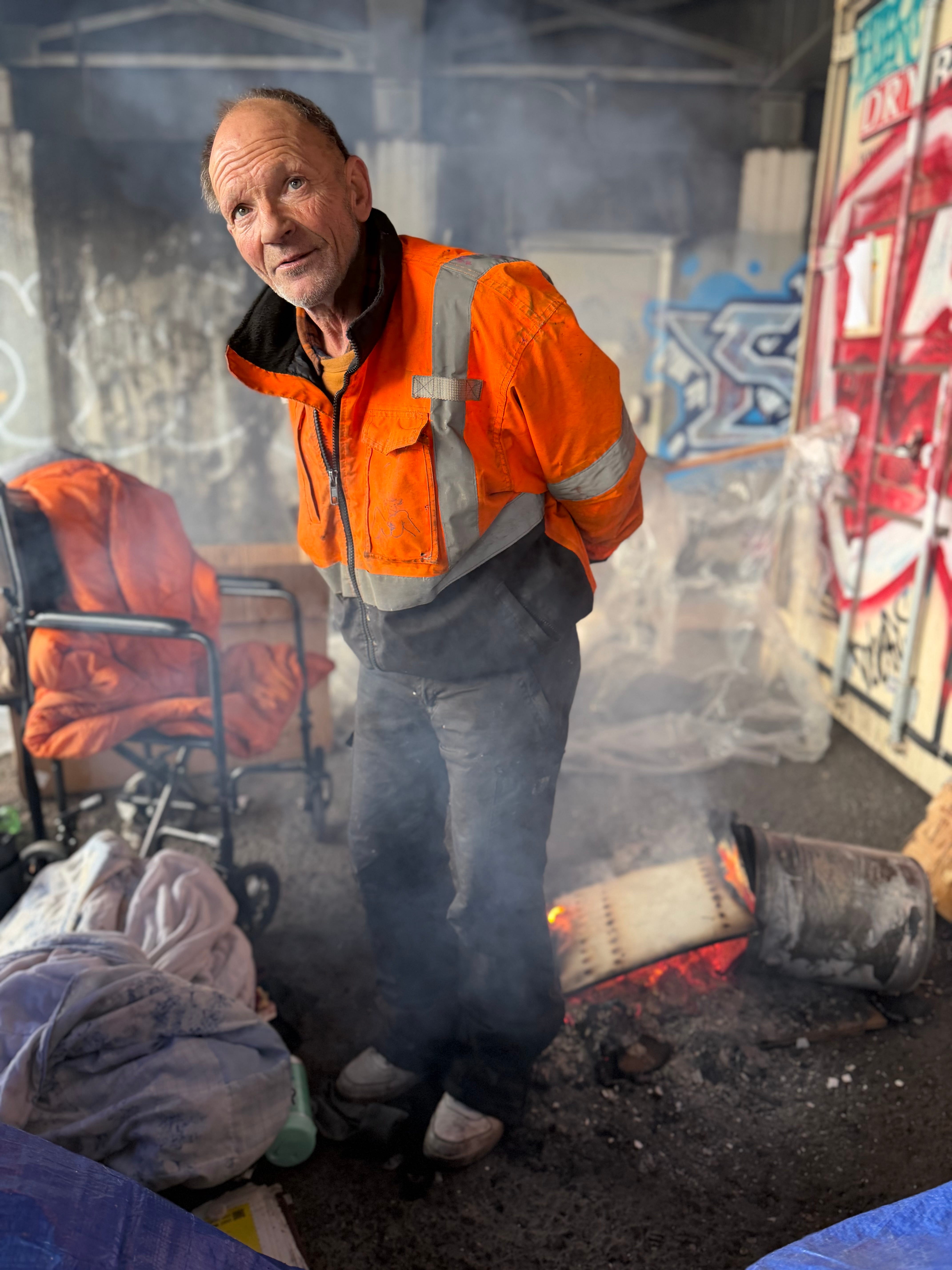
If we were serious about solutions, we would radically simplify the system. Fewer programs with clearer missions would outperform the sprawling maze of overlapping services we have now. Outreach would lead somewhere concrete instead of circling endlessly. Funding would be tied to exits from homelessness, not length of engagement. Providers would be rewarded for solving problems, not sustaining caseloads.
That would shrink the system, and that is precisely why it does not happen.
There is also the uncomfortable reality that not everyone will accept help, even when it is offered repeatedly and in good faith. A functional system must acknowledge this without demonizing people. Choice matters, but choices have consequences. Allowing people to slowly die in public is not neutrality. It is a decision we make every day.
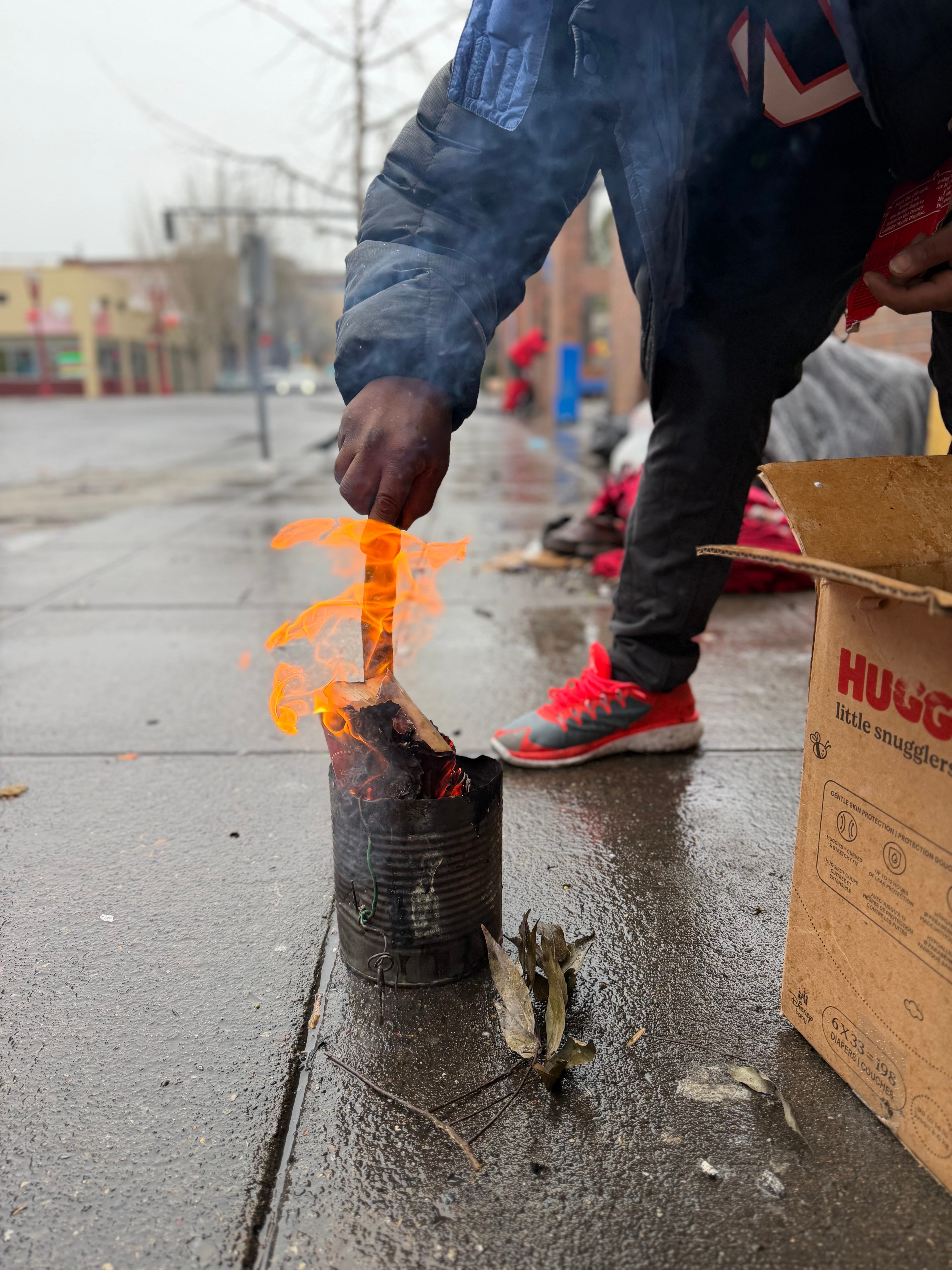
What stands in the way of real solutions is not public opposition. Most people intuitively understand that recovery matters, that accountability matters, and that endless spending without measurable results is unsustainable. What stands in the way is a professional class that benefits from complexity, ambiguity, and moral cover. Ending homelessness would mean fewer grants, fewer contracts, and a smaller system.
To put it bluntly: too many people in charge have no incentive to work themselves out of a job.
Please share to help this gain a wider audience
Years ago I read a pseudonymous comment from a man who claimed to work in a municipal bureaucracy. He said realistic people on the inside use the acronym CAT0 4321: 40% of the homeless are Crazy; 30% are Addicts; 20% are Tramps, literally the "happy homeless;" and 10% are the Zeroed Out, people homeless due to a financial or medical catastrophe or psychic trauma.
Purely apocryphal. No idea if what the guy said about some clandestine awareness inside the sector was true or the terminology. But based on a lifetime in a major city, I bet a rigorous survey of the homeless would support these percentages. Happy to be proved wrong.
So it looks like only ten percent of the homeless problem would be solved by actually giving people a house. Our welfare state can easily afford to give ten percent of the homeless population a residence and subsistence, either as a UBI or until they achieve independence again.
The Crazies and Addicts will just burn down the housing or turn it into violent drug dens. The Tramps will just leave.
We can give the Tramps campsites and sanitary facilities and assist them in policing to keep out the Crazies and Addicts. The Crazies and Addicts will just have to be put in camps. They will keep themselves clean, they will keep their camps clean, they will refrain from violence, and we will give them three hots and a cot and free coffee and cigarettes to replace the booze and drugs. If they can't follow these directives, then they will be incarcerated in buildings with high windows and steel bars, and other people will keep them clean, sober and nonviolent.
The problem is soluble, we just lack the will and have let a system with bad incentives take over.
The degree-holding class that works in this industry would be pretty hard up otherwise. "We need something for educated millennials (not in STEM) to do" was a post-08 problem and NGO world rose out of that. Purpose of a system is what it does. As always a punishment we inflict on ourselves through our habit of elite overproduction + hollowing out our productive industries