

In plain sight
A firsthand account of trafficking, overdose, and survival on Portland’s streets

Tara Faul, a street photographer, was walking through Portland’s Chinatown when she noticed a silver, late 1980s Mitsubishi with Colorado plates idling at the curb, music blasting loudly. Someone nearby shouted that the woman in the back seat was having a seizure. Tara looked inside and saw a young Black woman slumped over, her face smeared with black ink. It quickly became clear she was overdosing on fentanyl and was no longer breathing. The driver, a Black man in his late forties, had just given her drugs. Instead of helping, he turned the music up louder and appeared to be waiting for her to die.
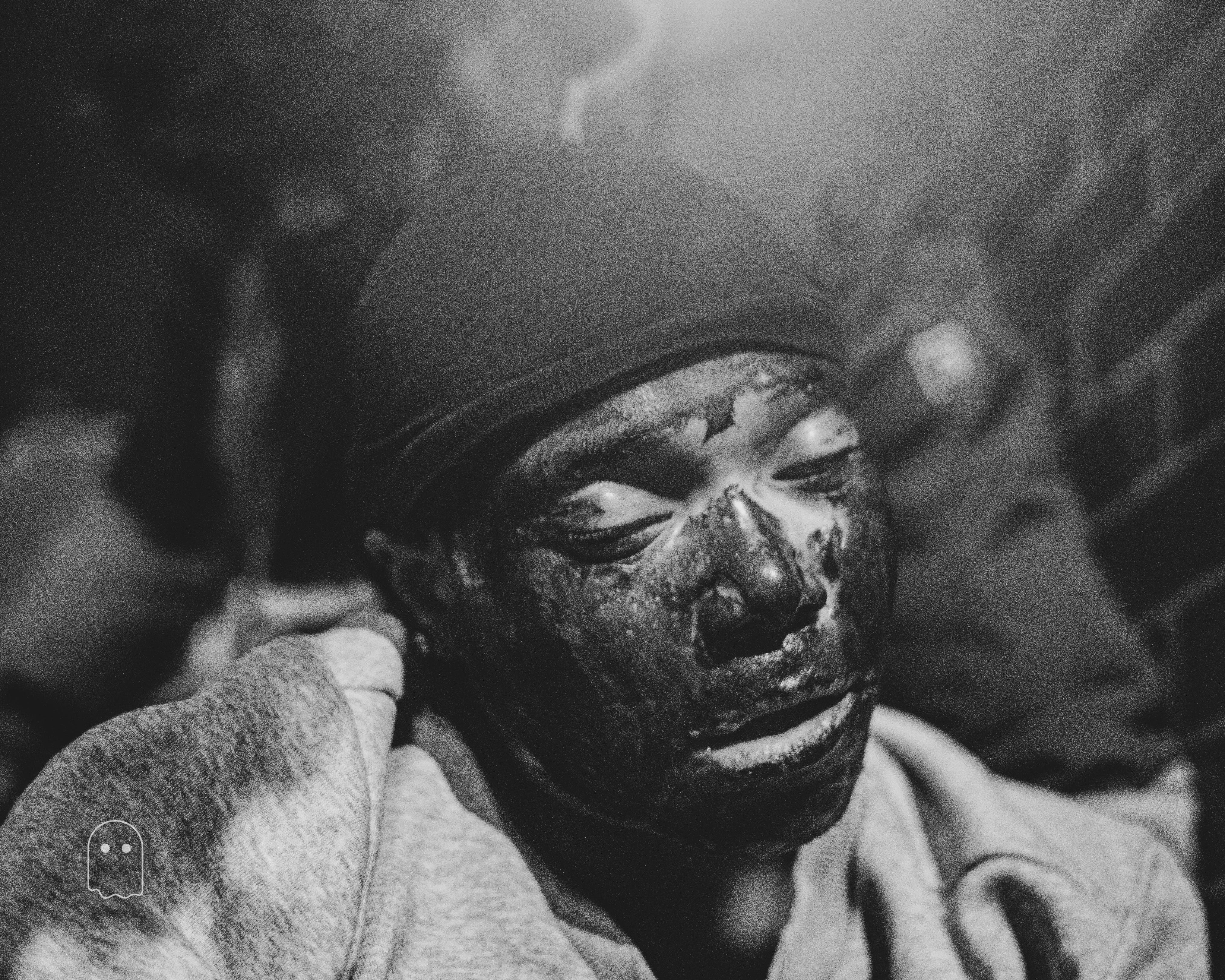
When he attempted to drive away, the open back door and the presence of homeless people and bystanders prevented him from leaving.
The man repeatedly invited Tara into the vehicle, telling her he wanted to take her for a ride. She ignored him. Standing on the curb, she leaned into the car and administered two doses of Narcan, rubbing the woman’s sternum in an attempt to stimulate breathing. The woman was unconscious, lying on her back with the upper half of her body hanging out of the car, her neck just inches from the curb. As Tara administered the opioid blocker, she supported the woman’s head.
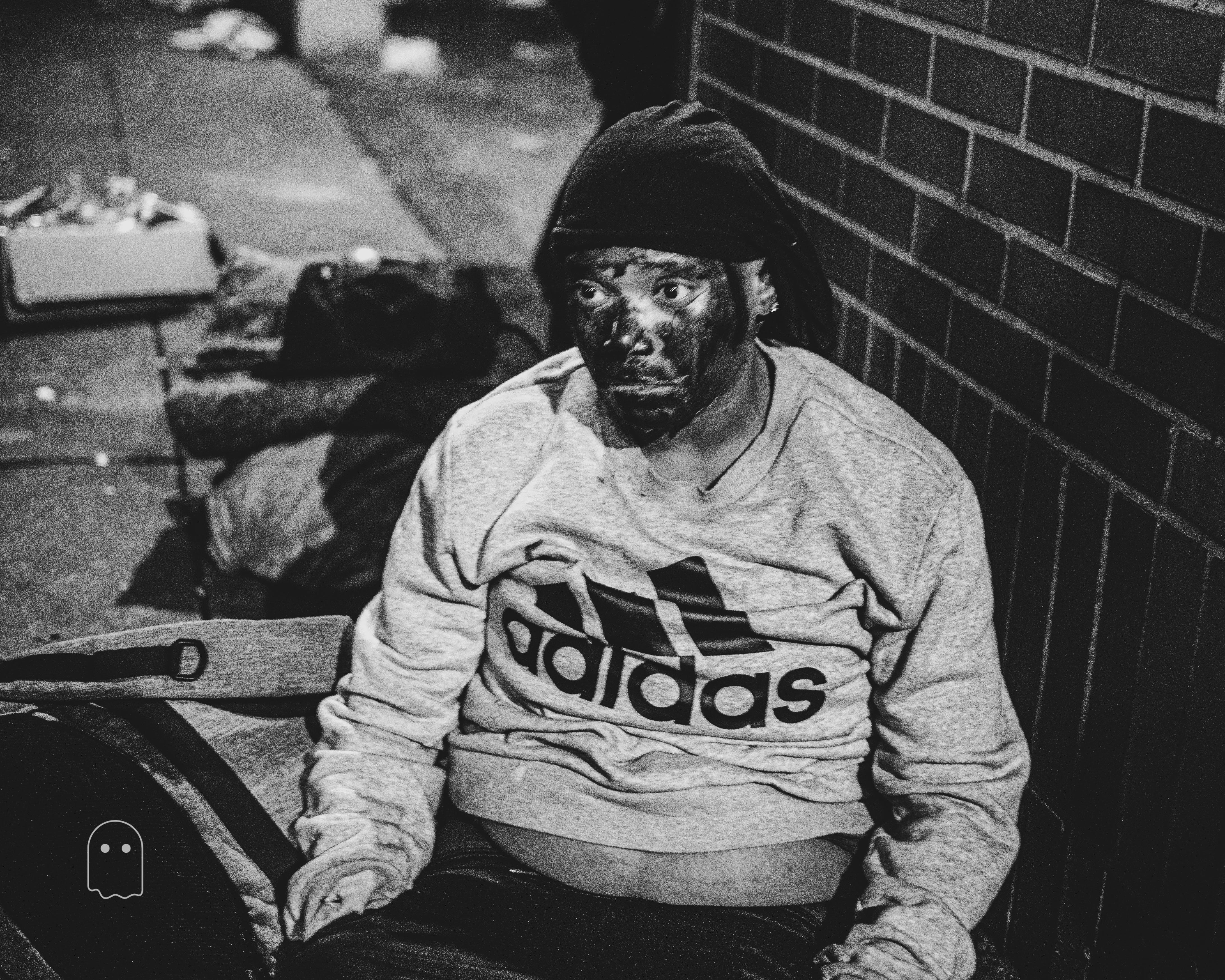
The driver offered Tara an open bottle of orange juice and insisted she drink it. She refused. He made no effort to assist the dying woman. Tara later recalled the woman’s “cold, dead eyes staring at me.” The driver grew increasingly irritated and yelled at Tara to hurry up. Fearing for the woman’s safety, Tara lifted her, approximately 150 pounds, out of the car and laid her on the sidewalk. Moments later, the woman began breathing again. She appeared briefly confused, then stood up and walked away.
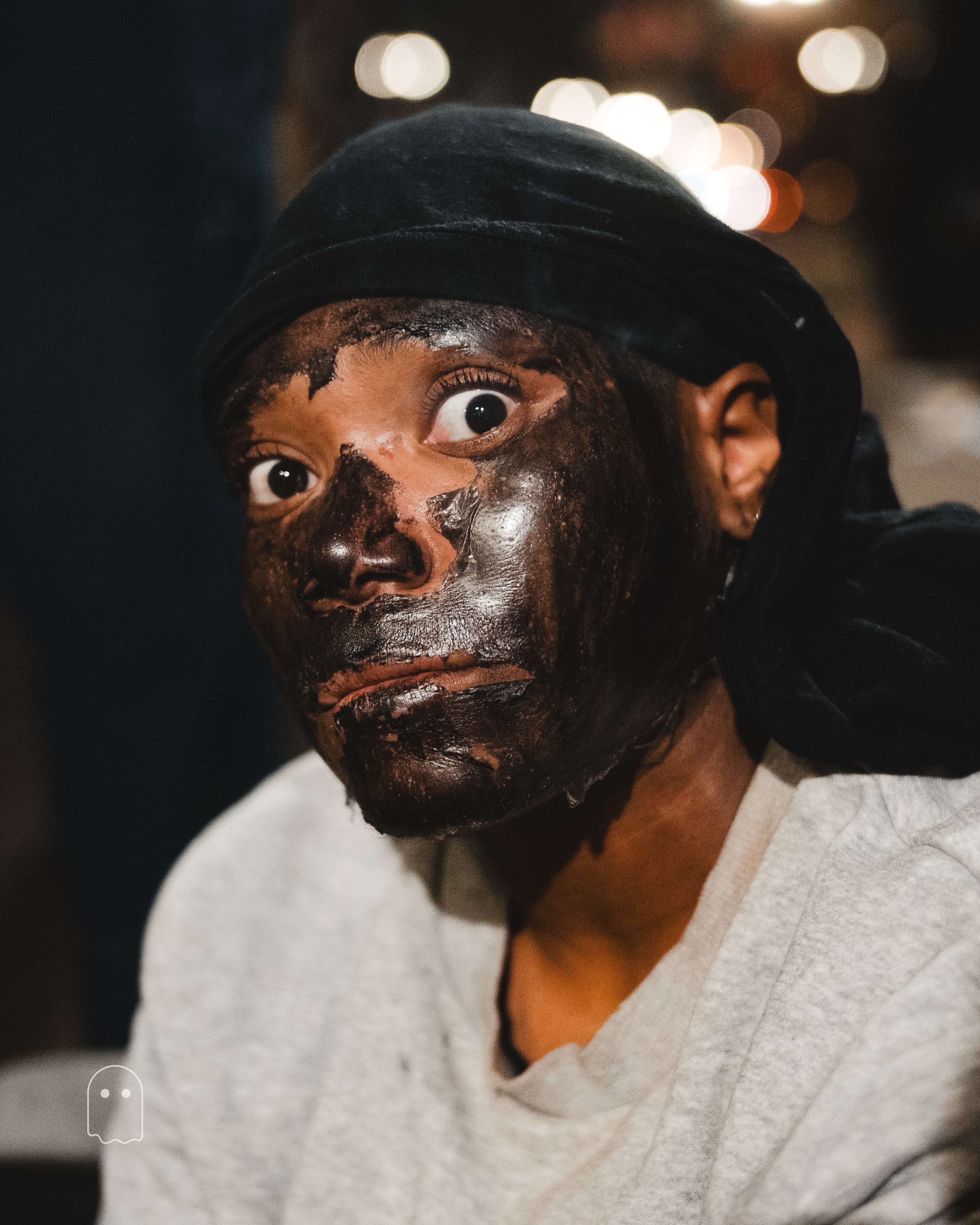
About ten minutes later, Tara returned to the area and saw the same man with a different woman in his car. He waved her over and said he wanted to ask her a question. When Tara asked what he wanted, he told her she needed to get into the car, and he would explain around the corner. He insisted it was safe and ordered the other woman, now sitting in the front seat, to get out so Tara could get in. Tara refused.
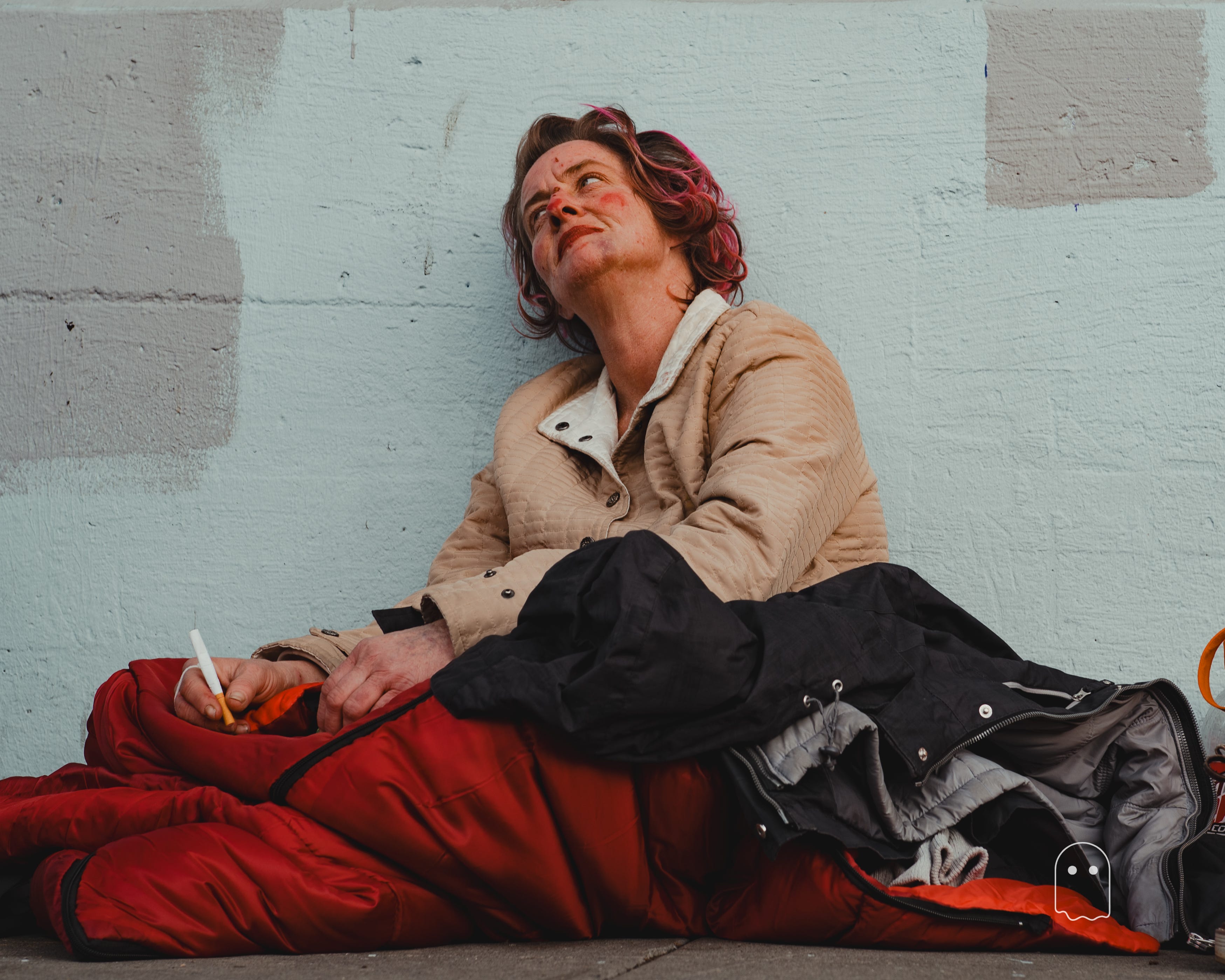
Trafficking is a serious threat and a real issue on Portland streets. I spoke with Esther Garrett, founder of Safety Compass, an organization providing free, confidential advocacy services for survivors of commercial sexual exploitation and human trafficking across Northwest Oregon. Their work spans highly organized trafficking rings as well as the disorganized, opportunistic exploitation that dominates street life.

This often takes the form of survival sex, trading sex for drugs, a tent, or a place to sleep, where consent is eroded by desperation, coercion, and violence.
Portland has one of the highest concentrations of sex-for-sale businesses per capita in the country, including massage parlors, strip clubs, escort services, and hourly motels. This quiet normalization of the broader sex-for-sale economy has directly and indirectly desensitized the public to its most extreme expressions, particularly those occurring on the streets.

In many cases, substance use is not the cause of exploitation but the consequence—used to cope with trauma or deliberately introduced and reinforced by traffickers to create dependency and control. Whether the exploitation is organized or chaotic, the outcome is the same: people trapped in cycles of violence, addiction, and fear.
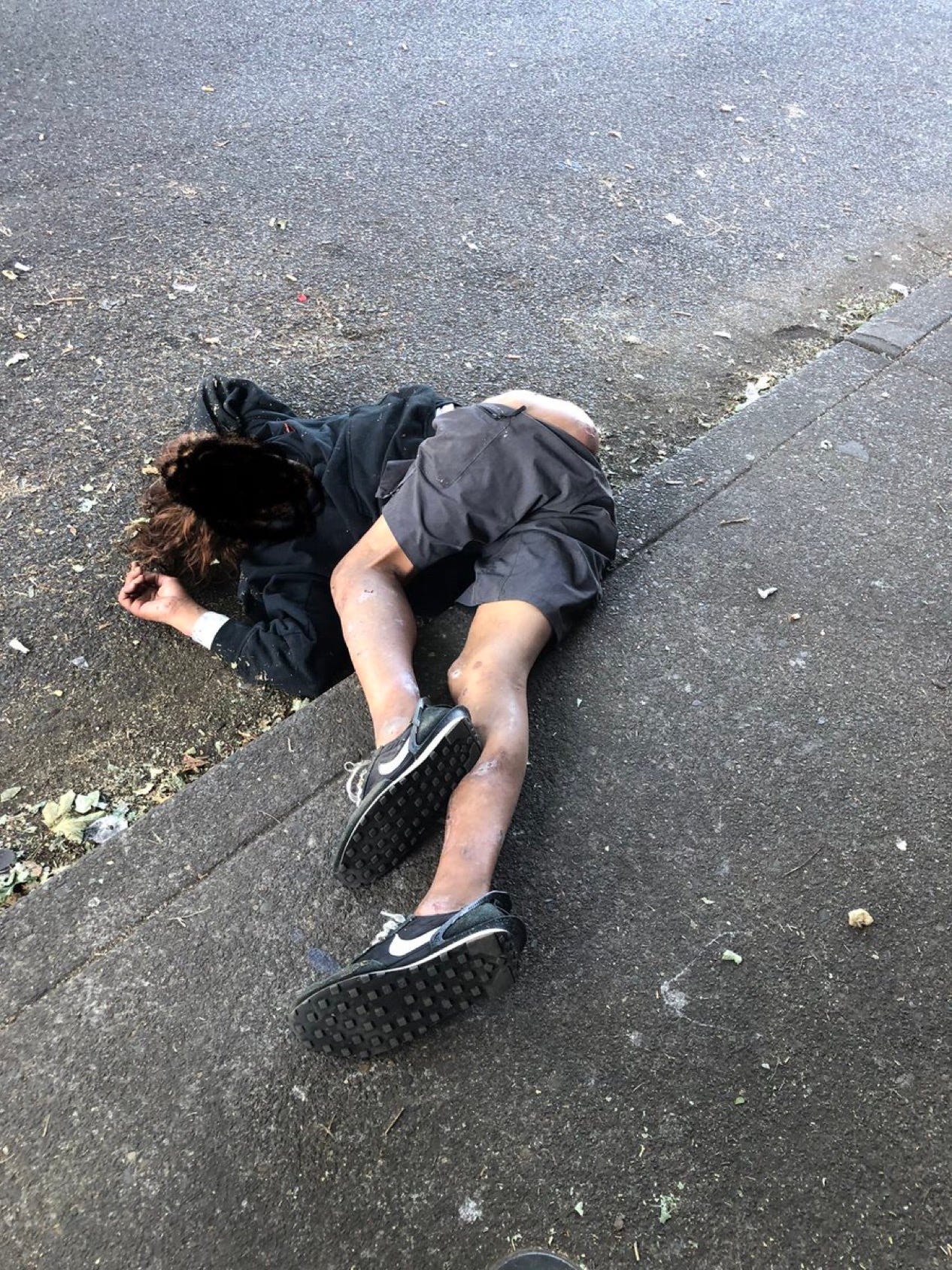
Rape and human trafficking are related but distinct crimes. Rape is an act of sexual violence involving nonconsensual sexual penetration. Human trafficking is a broader crime defined by forced exploitation for labor, services, or commercial sex, distinguished by ongoing coercion, control, and commercialization. Trafficking does not require physical restraint—only the erosion of meaningful consent.
Just days earlier, while walking the streets of Portland, I witnessed an older man attempting to coerce a teenage runaway into going with him to a motel “for a few days.” She was extremely vulnerable, young, unstable, and deep in addiction. Others living on the street recognized what was happening and intervened.
The man insisted he was her father. When asked, the girl said she had never seen him before. The situation escalated quickly. He refused to leave without her. Others threatened him with violence if he didn’t walk away. After repeated confrontations, he finally left. The homeless, by far, are the biggest protectors of attempted trafficking. They witness it firsthand daily and, due to their strict street rules of never calling the police, take matters into their own hands.
One homeless man told me, standing just feet from where the incident occurred. He said he had personally witnessed three different girls being forced into vans, never to be seen again. He had also spoken with a girl who survived trafficking. She told him her captors threatened her family if she tried to escape. Some victims, she said, are driven eight hours away. Others are sent to the East Coast and disappear entirely. Trafficking, he explained, is big business, often a side operation for mid-level drug dealers.
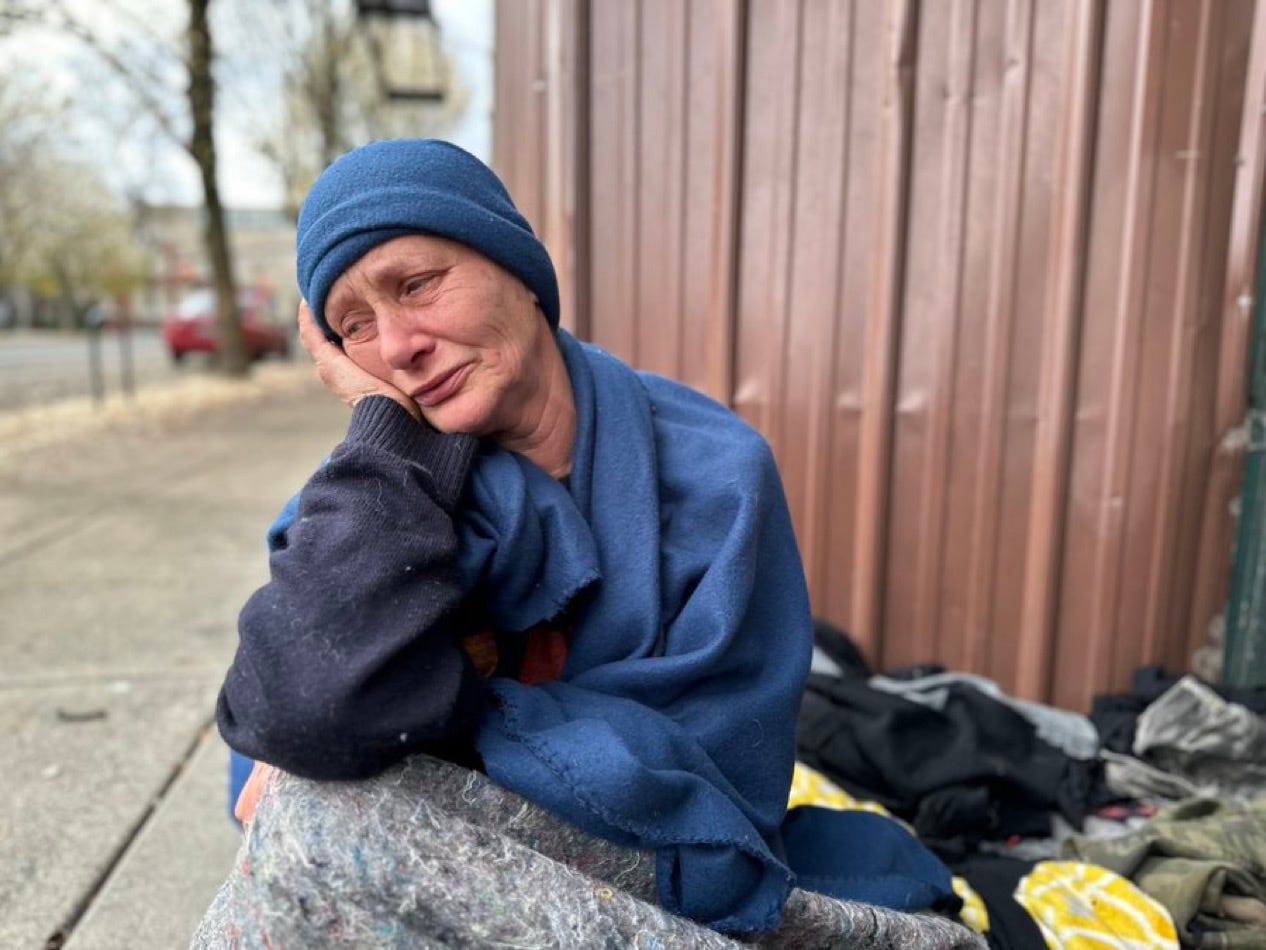
I also interviewed a woman involved in prostitution who described an encounter she believes she may not have survived. She typically relied on regular customers she trusted, but business was slow. She agreed to get into a car with a man she didn’t know. He drove her to his house and allowed her to change clothes in a room that immediately alarmed her. There were no windows, yet curtains were hung to suggest there were.
She was held there for four days. She admits she was so intoxicated that large portions of that time are missing from her memory. On the fourth day, he grabbed her, threw her to the ground, and pressed a knife to her throat. She believed he was about to kill her. Instead of resisting, she sensed fear in him and instinctively shifted tactics, acting calm, as if nothing was wrong. She told him she was hungry.
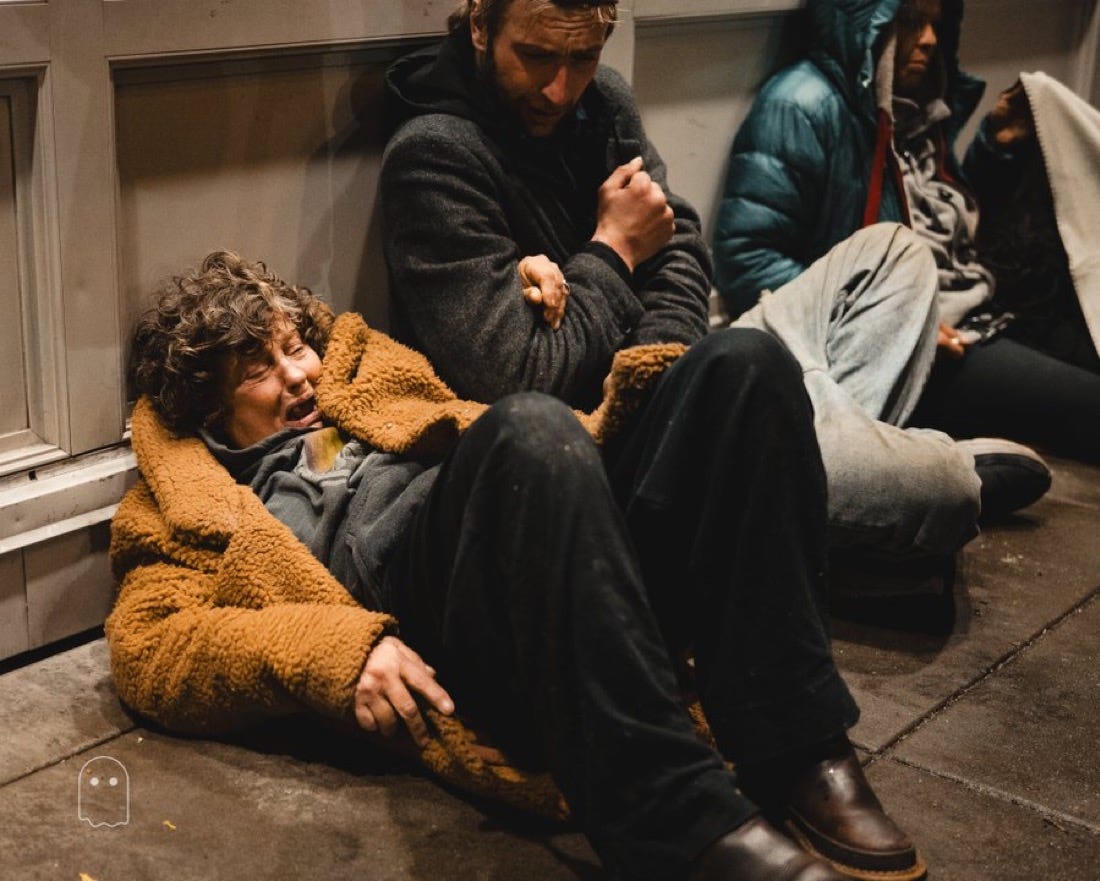
She cooked food for both of them. They ate together. She told him she wouldn’t call the police and only wanted to leave. He agreed and dropped her off where he had picked her up. She never reported him, but believes he has likely done this to other women.
I met a homeless woman last year who described watching someone driving a used ambulance take a woman from the street. She said it was clearly not an official emergency vehicle, but to someone deep in addiction, it could easily appear legitimate. A person desperate for help may climb inside without realizing no one called it, and no one is coming for them.
In this video, I encountered a half-naked woman who had just been dropped off after being trafficked. This occurred on 82nd Avenue, an area well known for a high concentration of human trafficking activity. She told me she had been picked up, driven to another location, sexually assaulted multiple times, and then thrown out of the vehicle and left behind. Not all victims are returned. Some are transported out of state, and others simply disappear.
What connects these stories is not coincidence or bad luck, it is opportunity. Opportunity created by untreated addiction, isolation, and streets where exploitation is both visible and tolerated. Trafficking does not require chains or secret rooms. It thrives in public, in plain sight, where vulnerability is predictable and accountability is absent. The people most aware of it—the unhoused, the addicted, those living inside the danger, are also the least heard. Their warnings are constant. Their testimony is consistent. And their accounts are rarely taken seriously until it is too late.
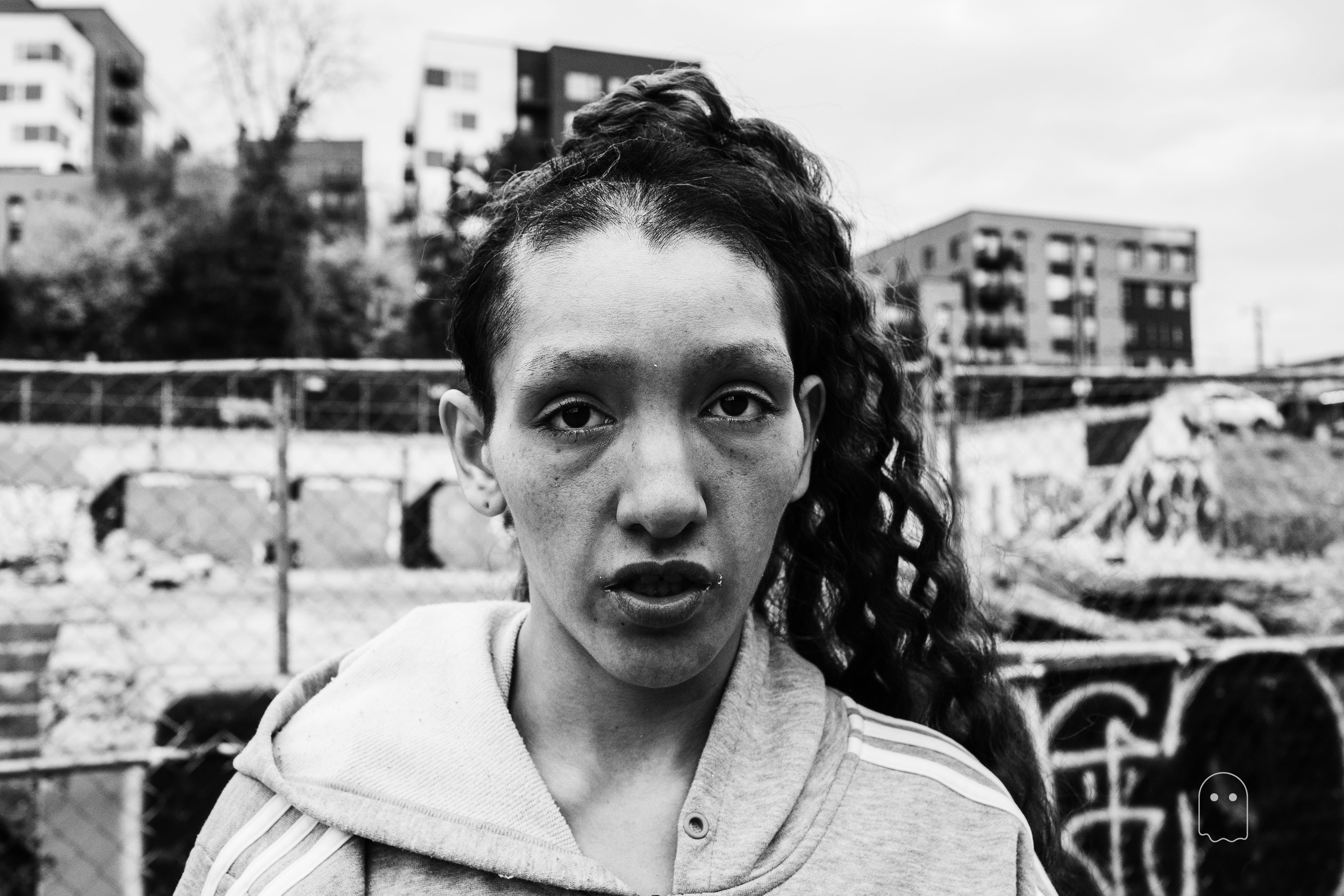
This is not a hidden crime. It is a normalized one. When overdose scenes unfold inside cars without intervention, when teenagers can be openly coerced, and when predators circulate freely among those desperate enough to trust anyone offering relief, the system has already failed. These are not isolated incidents; they are the
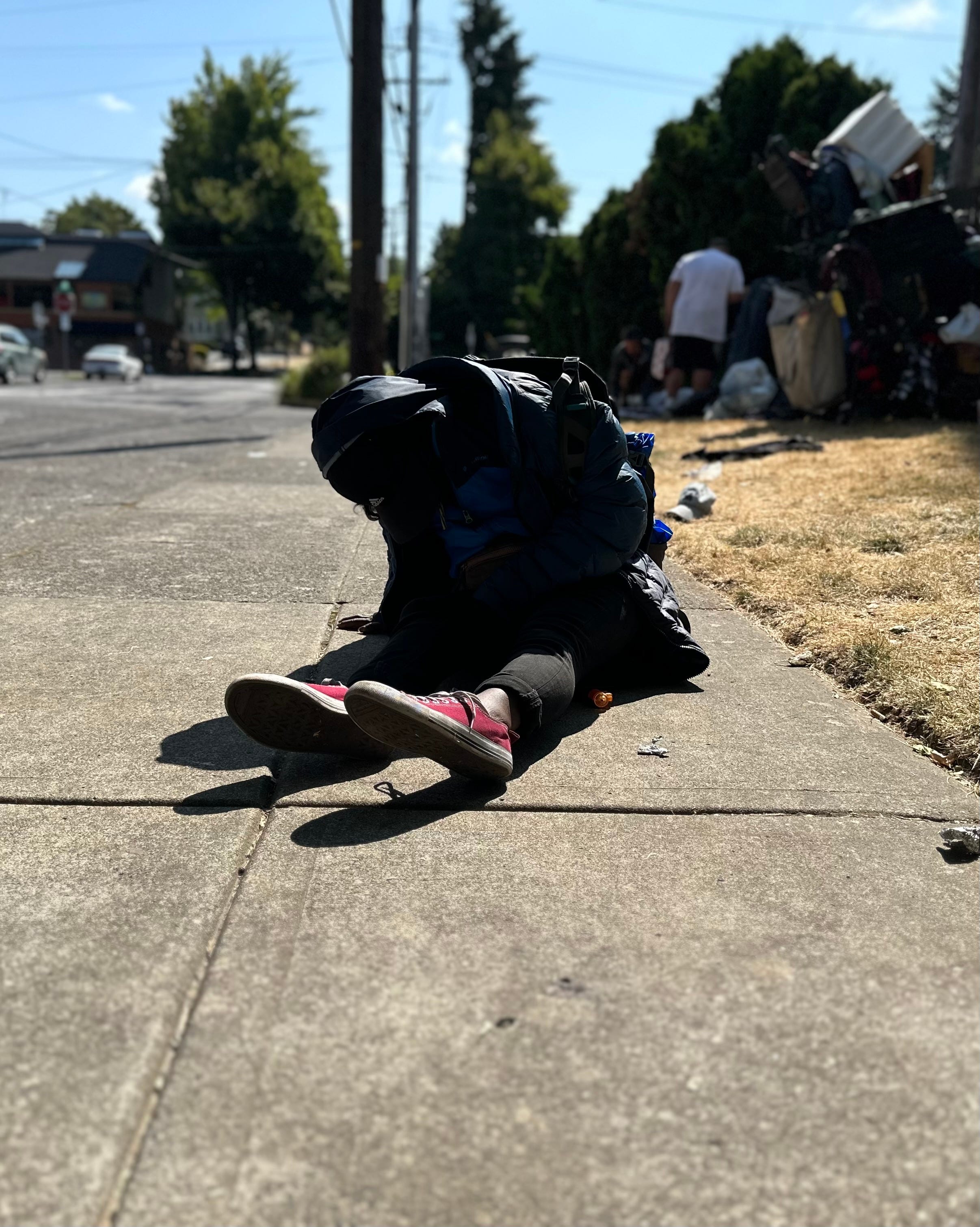
predictable result of policies that confuse tolerance with compassion and neglect with harm reduction. Until the conditions that make exploitation profitable are confronted, the streets will remain what they are now: an open marketplace for human vulnerability.
Please support my independent journalism by becomming a paid subscriber.
Please share/restack to help it gain a wider audience.
Well done, Portland, from top to bottom. The PPB is a joke, where is the enforcement of simple laws? No wonder the city is in a death spiral…..
Thank you for this reporting, Kevin.
What do you think should be done, specifically? Is there a place for civil commitment into safe rehabilitation facilities in cases like these?
A recent story out of Seattle reported that a 9-year-old boy is living in a tent in a public park. He's with his parents, when they're around. His mother is a drug addict who prostitutes herself in the tent (making the boy wait in the bushes); his father works and apparently has a long criminal history. Both parents have refused all services for themselves and the boy. CPS and police have visited the tent, and say there is no legal authority to remove the boy.
I actually agree that removing children from parents should be an extreme last resort. That's a hugely traumatic experience for the children, who have a right to the dutiful care of their parents. So, when parents are breaking laws, neglecting their child, etc., why not apply justice and compassion in a way that enforces laws while also upholding the child's rights? Why not commit the entire family to involuntary, long-term rehabilitation? We spent billions on prisons, foster care, and rehab. A more targeted application of all three -- applied to the whole family -- might serve all parties best.
Is there something wrong in that idea? I tend libertarian in my opinions about the use of government power, because I know that's a slippery slope. But it is as harmful to neglect justice as it is to misapply force. Wise application of law (and the force to apply it) is key.