

Inside Portland’s Driftwood Cabins
Along the Willamette River, homeless people built hidden cabins that expose the failure of Portland’s response

There are cabins along the Willamette River sitting across from million-dollar condos. They were built by homeless people who, for one reason or another, decided to carve out a life on the edge of the city and outside the reach of the system.
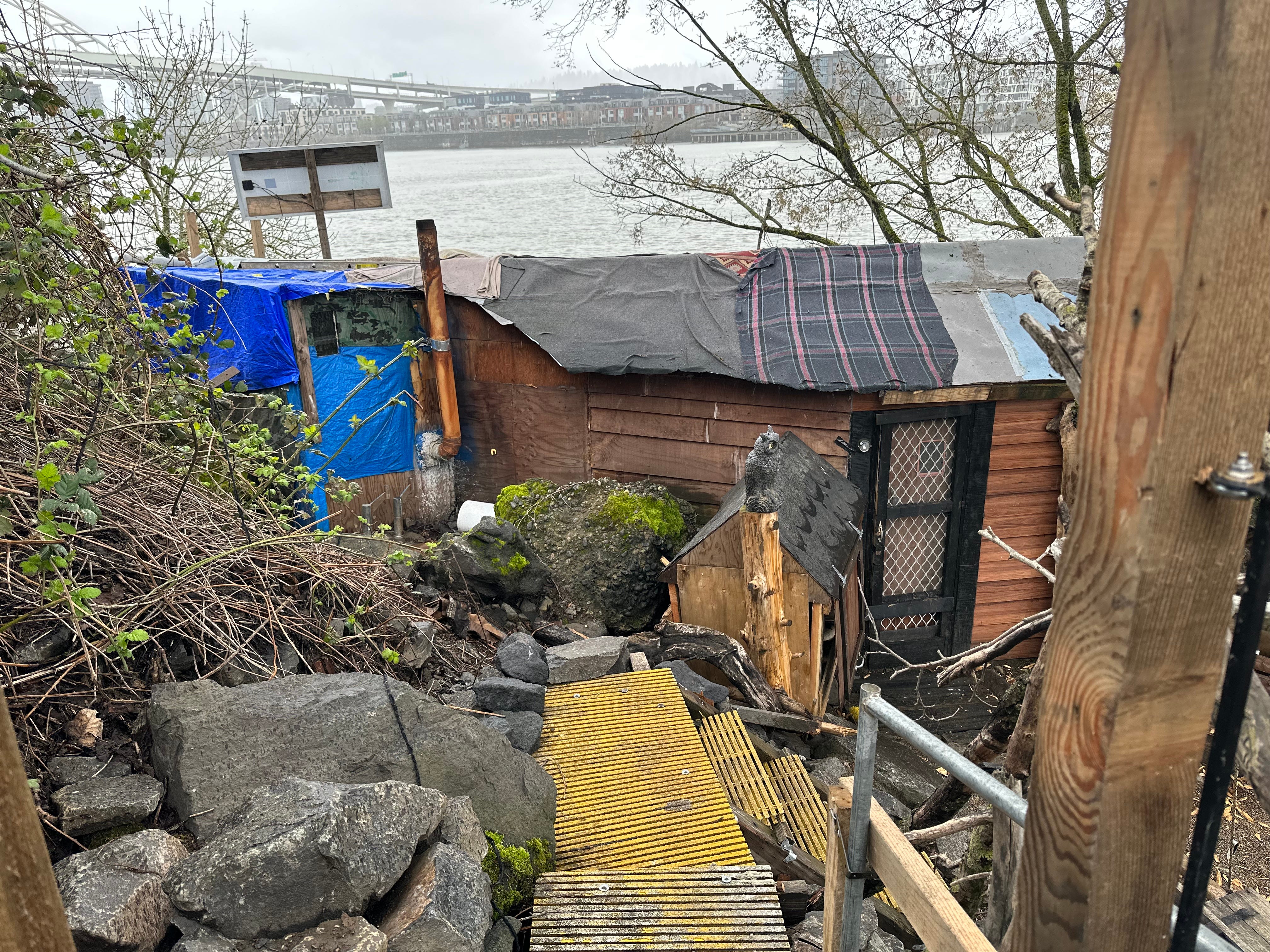
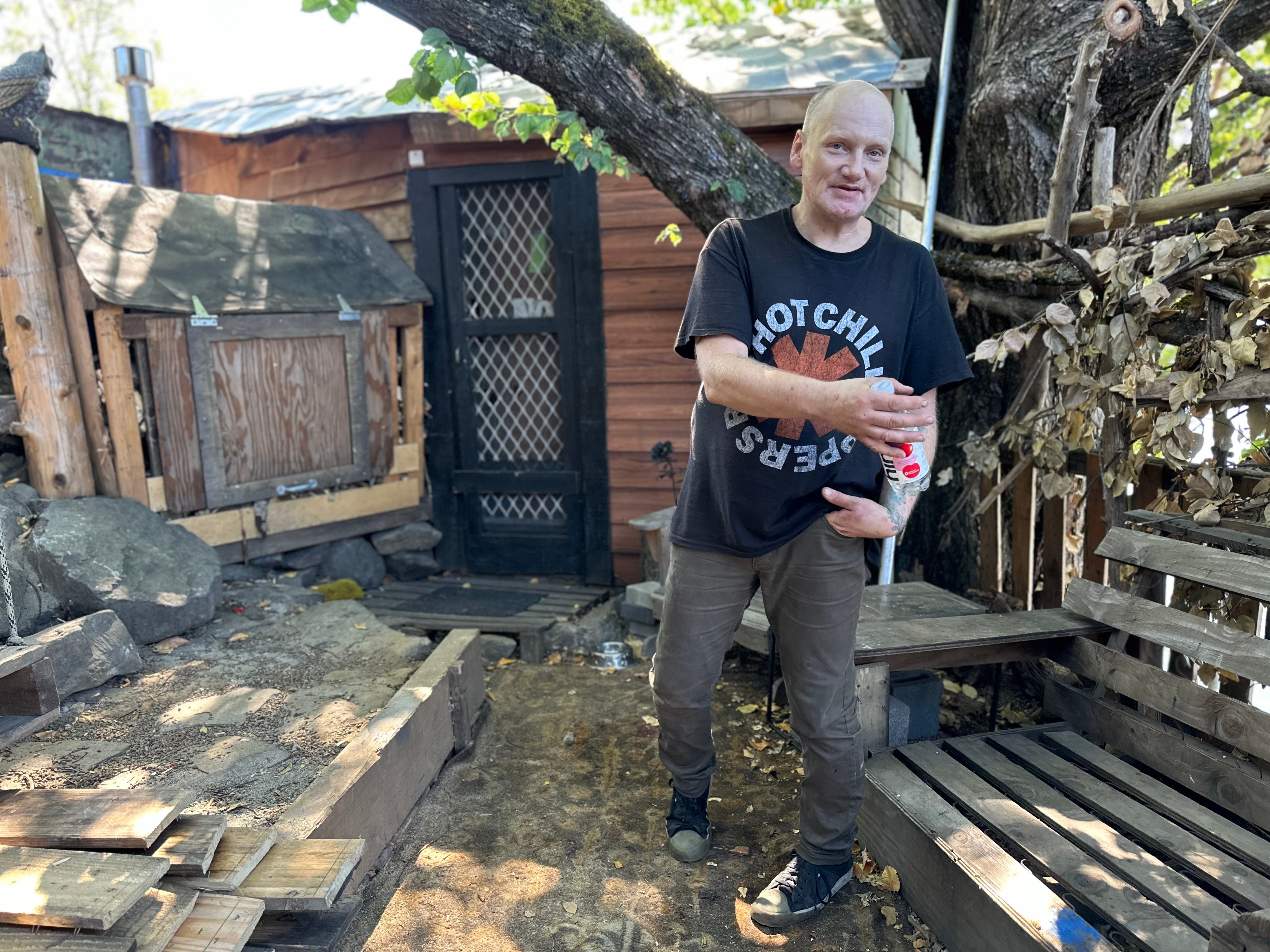
The first cabin I entered belonged to a man named Michael. After years of growing frustrated with the social service system, he decided to build his own house. He chose the riverfront because it was isolated, but also because he had done his research. Along this stretch of water, jurisdiction shifts with the tide. At high tide, the ground beneath his home is county property. At low tide, it becomes city property. That legal gray area has allowed him to live this way for five years.
About eighty yards away sits another house, this one surrounded by remarkable landscaping. A homeless woman, a natural artist, created cobblestone walkways, a fence made of sticks, and a yard more thoughtfully designed than many traditional homes. She, too, has lived this way for years and says she could not be happier.
She is a much more private person, but has allowed me to film the outside of her place. The yard is impressive and puts many other yards to shame, especially given the view.
Not all of the structures are so inviting. Some reflect a much darker kind of adaptation. One homeless man has burrowed beneath thousands of pieces of driftwood and built what can only be described as an apartment. I went inside.
There are two bedrooms, one still under construction, framed by uneven piles of driftwood and debris. Two small windows let in thin slivers of natural light, barely illuminating the space. Shadows creep across the walls and dirt floor, giving the entire place a claustrophobic, almost surreal feel.
The living area is chaotic, more workshop than home. Boards, nails, and hand tools are scattered everywhere, evidence of constant construction and repair. Among the clutter, hundreds of used needles glint in the dim light. The smell of damp wood and river water hangs thick in the air, mixed with rust and the faint chemical odor of discarded substances. Near the entrance sits a makeshift bathroom: a toilet seat balanced over a hole roughly six feet deep.
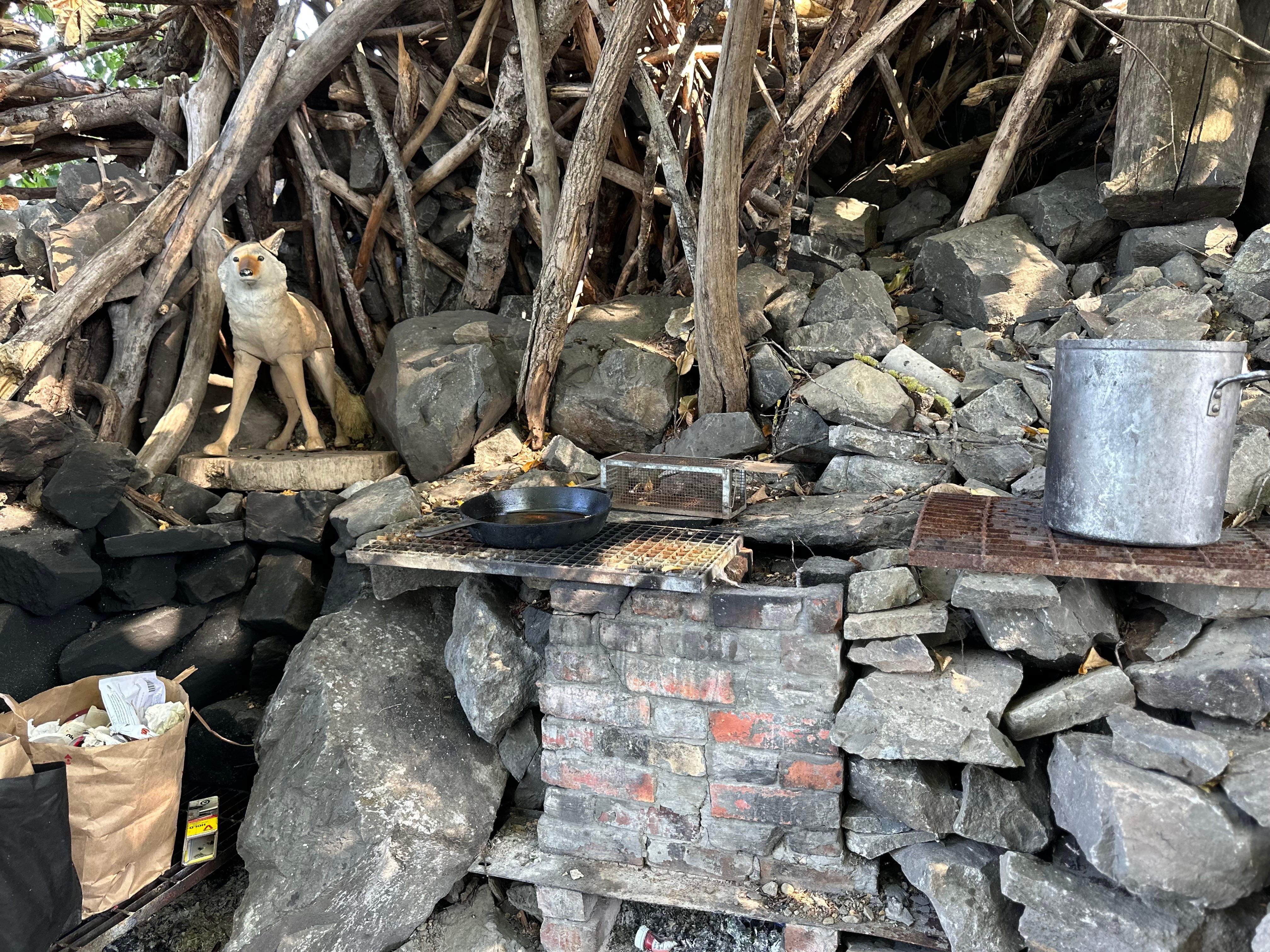
Every corner tells a story of necessity and improvisation. Walls built for shelter. Furniture pieced together from driftwood. Shelves stacked with cans, bottles, and scavenged supplies. A small table holds a makeshift cooking setup. In one corner, a partially built bunk suggests plans for either comfort or expansion. This is not a home. It is a survival bunker.
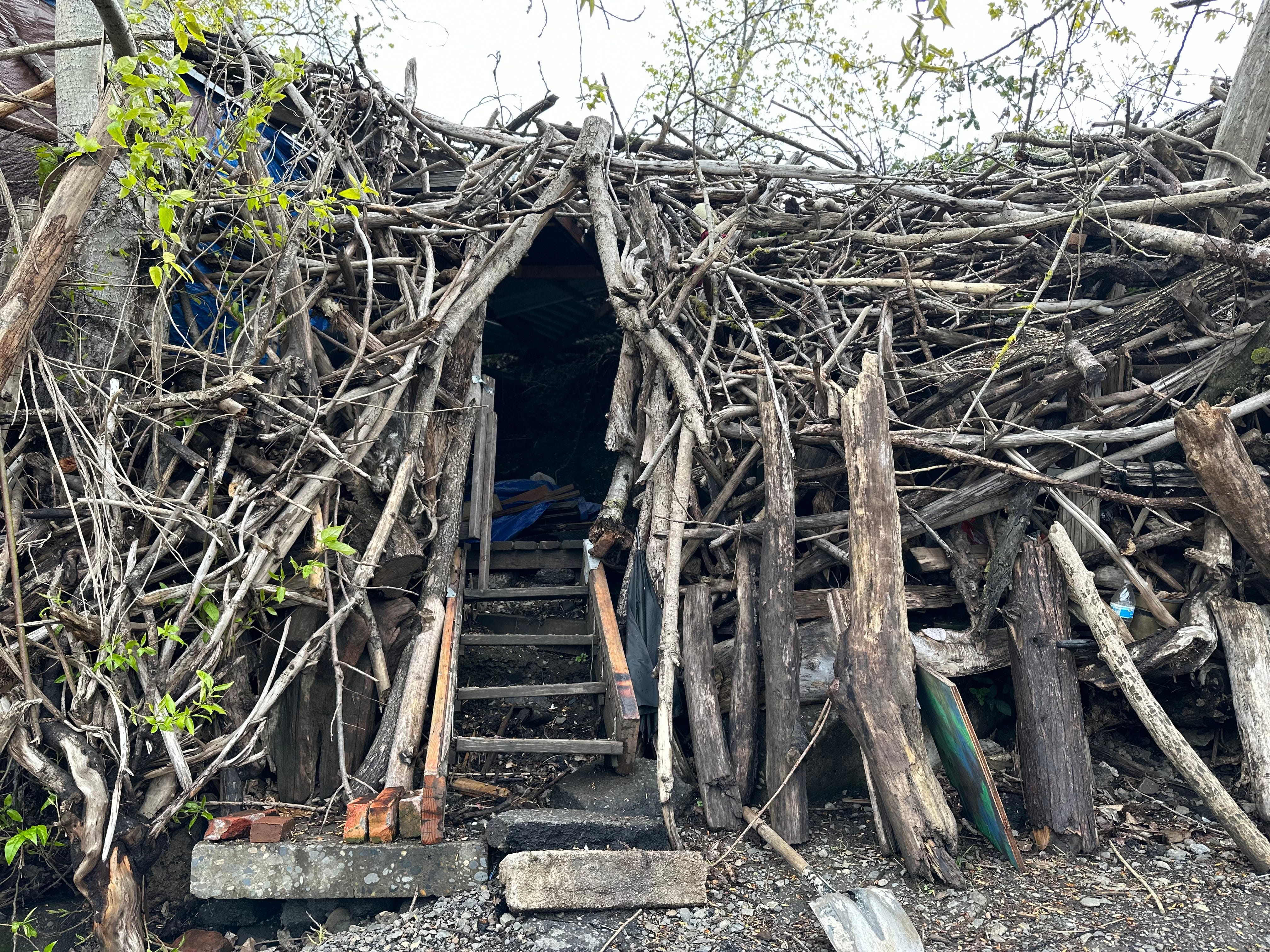
It protects, but it also confines. Every step carries risk. The floor is uneven. Needles hide in the shadows. Driftwood stacks precariously overhead. It is both refuge and prison.
From the outside, the setting is almost beautiful. He has a million-dollar view of the river, with luxury condos across the water. But inside, it is dark, cramped, dangerous, and deeply disturbing. This is not living. It is surviving in conditions no human being should have to endure.
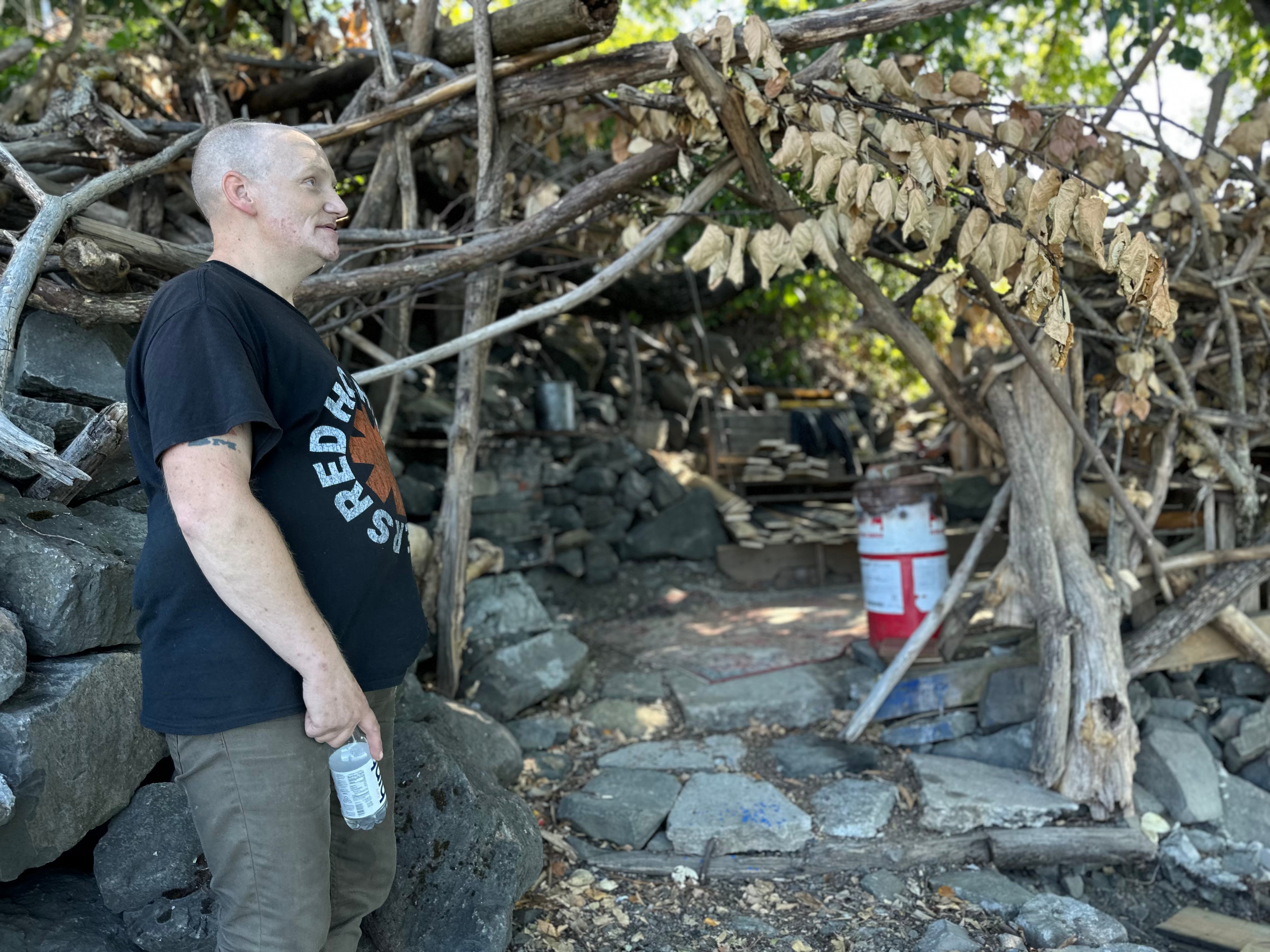
Michael’s cabin is far nicer, and it exists inside a bureaucratic blind spot. Responsibility for the land shifts with the tide, passing from one government entity to another. In practice, that means no one fully owns the problem, and he remains invisible, abandoned by the very system supposedly designed to help. And this is not some isolated oddity.
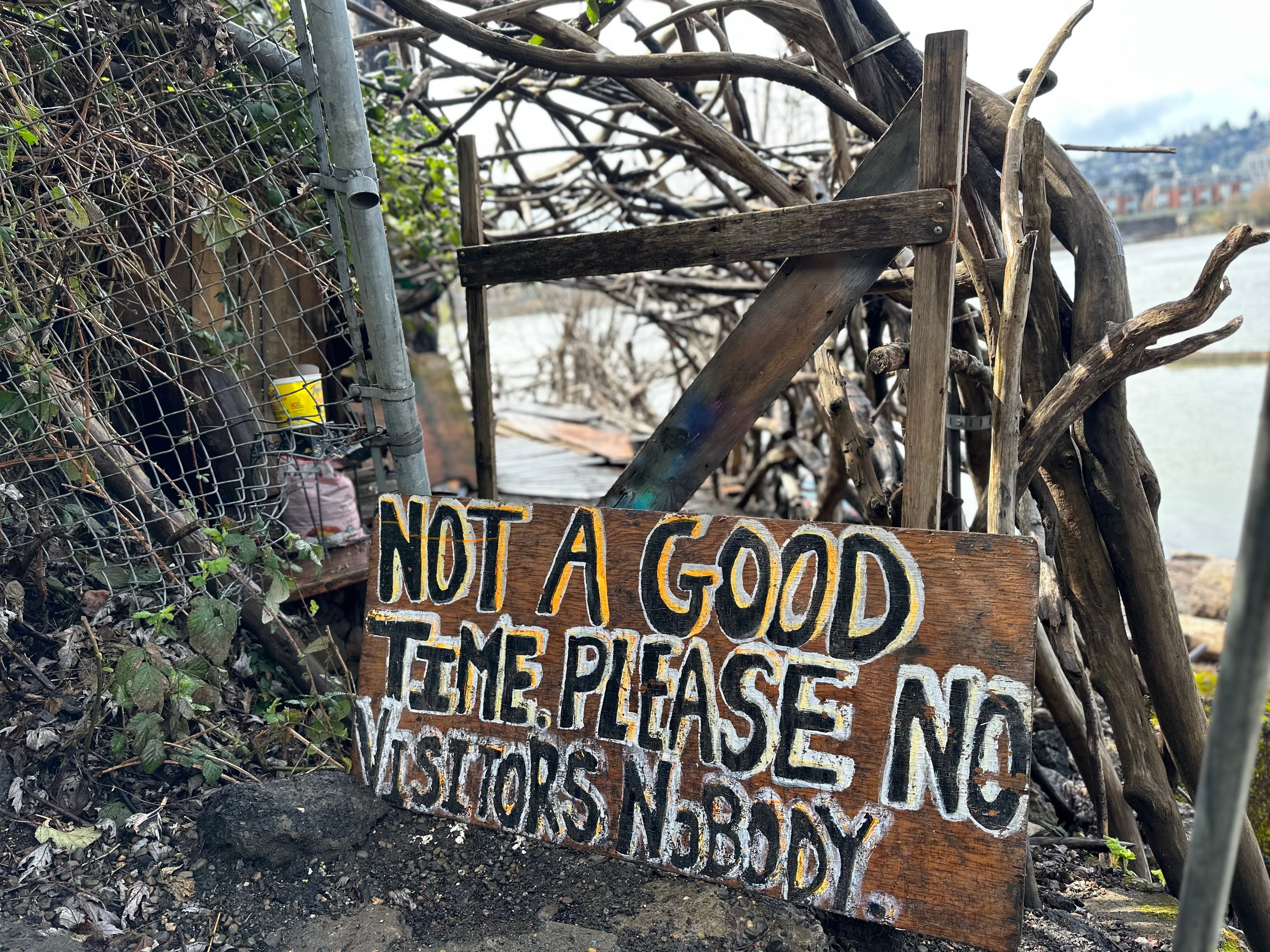
Along these riverbanks, this structure is only one of roughly a dozen similar cabins. Some are ingenious. Some are unsettling. All of them are evidence of the same thing: a system so ineffective that people are left to build their own version of shelter in the shadows of wealth. That is why the debate over homelessness matters so much.
For years, the dominant response has been to lower expectations, avoid consequences, and treat outdoor survival as if it were a humane long-term alternative. It is not. Handing out tents, supplies, and endless accommodations without demanding treatment, recovery, stability, or behavioral change does not rescue people from the street. It helps trap them there.
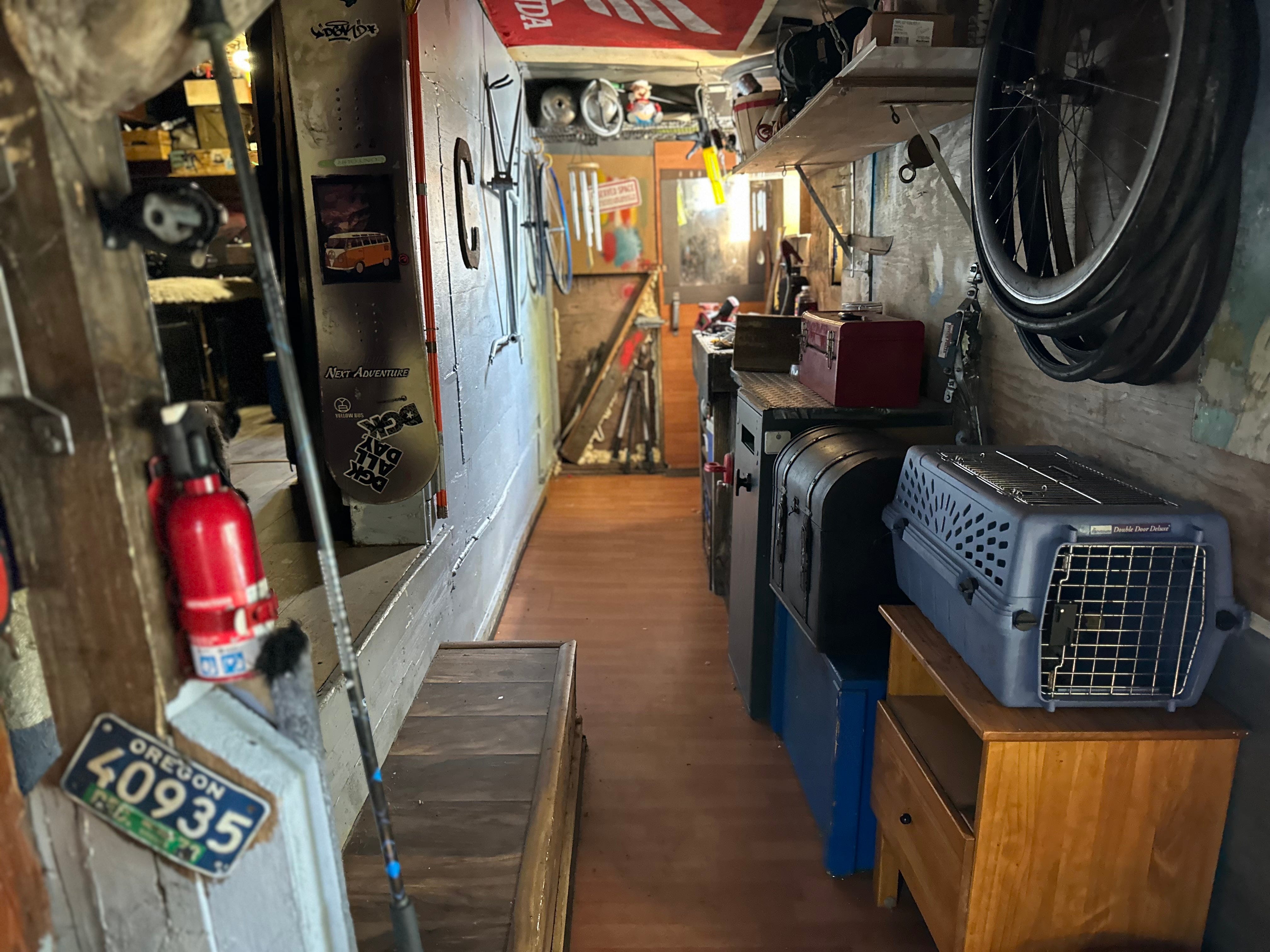
Recently, some of these cabins were torn down by government officials who, for one reason or another, finally decided to act. I was surprised to feel a sense of sadness watching them go, because I could not help but admire the ingenuity behind them. But ingenuity born from failure is still failure.
Cabins like these are what happens when institutions stop expecting restoration and start managing collapse. Some homeless people adapt and take matters into their own hands. That may be resourceful. It may even be impressive. But it is still a sign of abandonment.
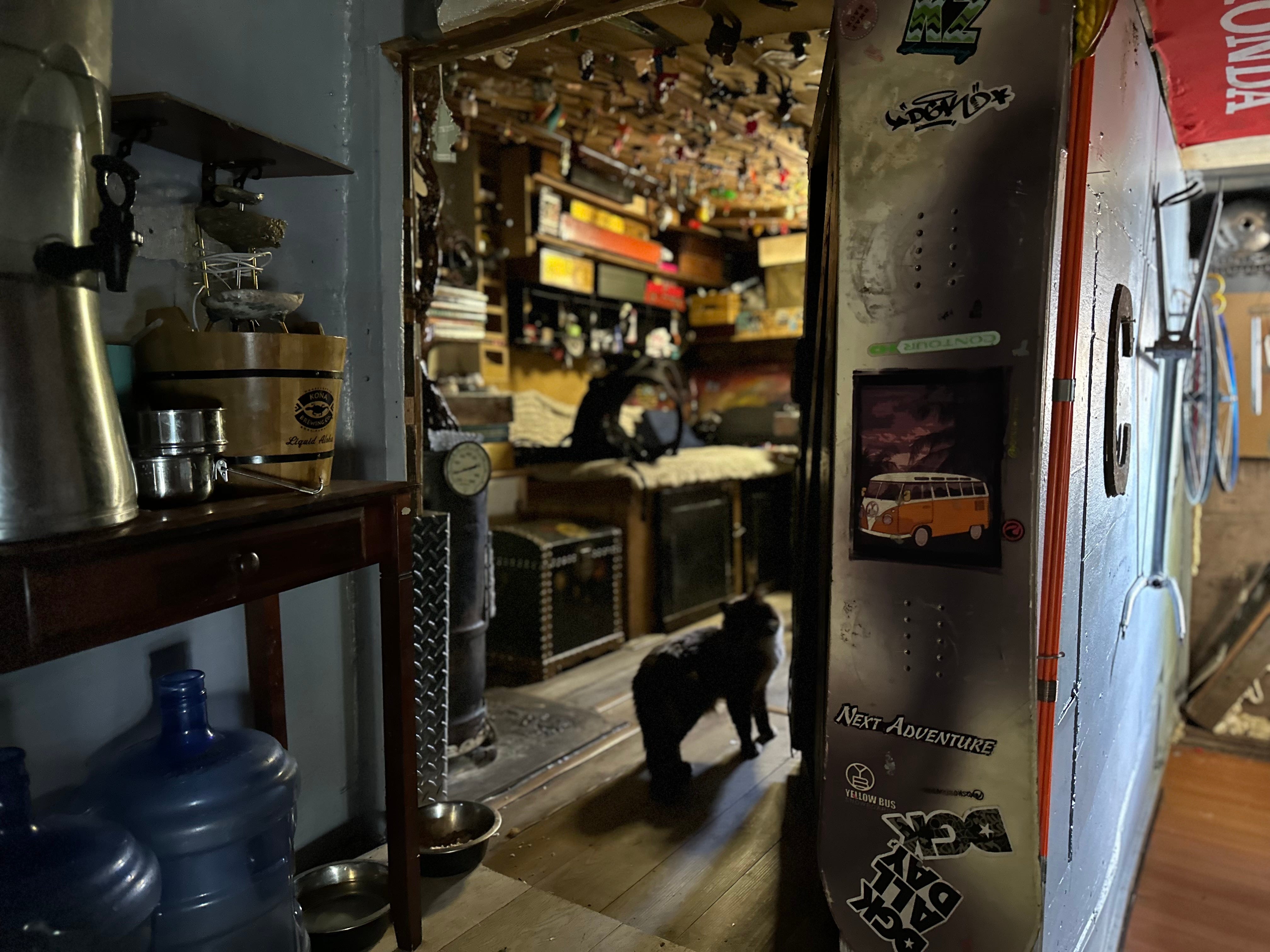
These cabins are not proof that people are doing fine outside. They are proof that we have normalized human beings building their own misery in the margins of a prosperous city. When someone is forced to create a driftwood bunker surrounded by needles and rot, hidden just across from luxury condos, that is not independence. It is abandonment. It is what happens when institutions stop expecting recovery, stop
insisting on change, and start treating long-term street survival as acceptable. We praise ingenuity because the alternative is admitting how badly the system has failed. But there is nothing humane about this. These cabins are not symbols of resilience. They are monuments to lowered expectations, bureaucratic neglect, and a society that has learned to tolerate conditions no decent city should ever accept.
Yes, there are areas like that on both sides of the river. The place next to ours was Fish and Wildlife. After they made us remove our dock, they put in a law that you couldn't have a dock without having permission from both sides, just to prevent anyone from havein a dock there in the future. Don't ever buy a place on the river on the West Coast.
My husband and I used to enjoy walking along the Willamette Greenway on Swan Island near the Freightliner HQ despite parking regulations that seemed to have no purpose other than to keep members of the public away. We used to park in a small lot that led down to a boat ramp. I can still remember seeing a raptor swoop down there, grab a snake and fly off.
Then, one day we arrived to find that lot full of homeless people and their RVs. We have not been back since.