

Keys without care
Housing First Doesn’t Fix the Crisis — It Hides It

Housing First has become both a shield and a slogan. If you question it, you’re accused of lacking compassion. If you point out its failures, you’re told you don’t understand the research. The phrase itself has taken on a kind of moral force, as if the words alone settle the debate.
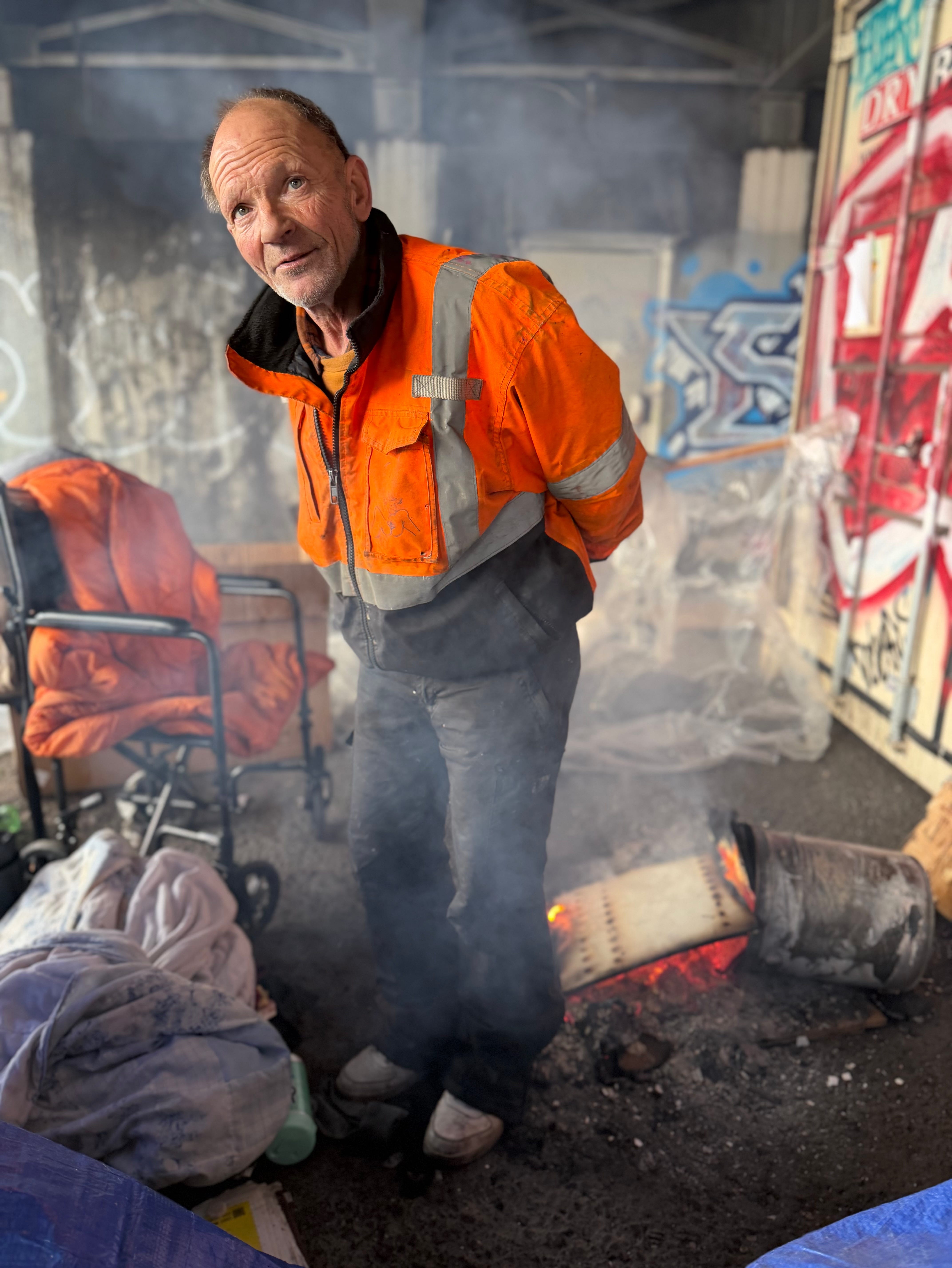
But here’s the uncomfortable truth, almost no one wants to say out loud: Housing First was never meant to be housing only. In 2010, the Obama administration launched a federal strategic plan called Opening Doors, embracing Housing First as the nation’s primary approach to homelessness. Over the next decade, federal, state, and local governments spent staggering sums on homelessness and housing programs. Yet today, more people are living on the streets than at any time since national tracking began.

The promise that homelessness could be “ended in 10 years” was never realistic, and many inside the system knew it. If money alone could solve homelessness, it would have disappeared long ago. Instead, we built a system that often measures dollars spent instead of outcomes achieved.
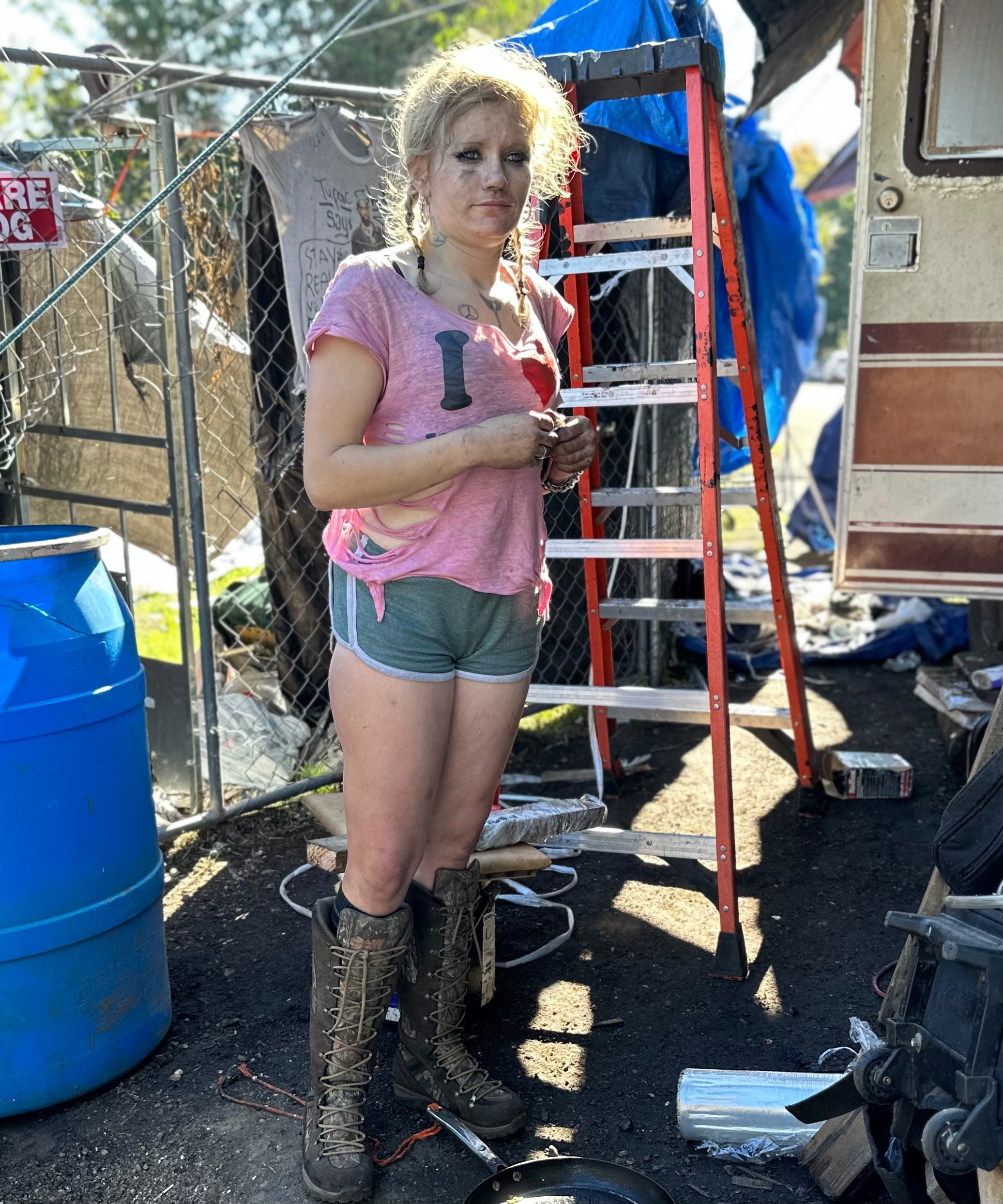
The original model was grounded in a simple, powerful premise: people stabilize better indoors than on the street. That is undeniably true. You cannot treat psychosis in a tent. You cannot manage addiction effectively under a bridge. You cannot recover from trauma while sleeping next to train tracks or beside someone who may prey on you in the middle of the night. Housing provides safety. It provides privacy. It creates the basic conditions necessary for recovery to begin. But somewhere along the way, we quietly shifted from “housing first” to “housing alone.” And that shift has consequences.
One woman who had been placed in a Housing First program told me the biggest flaw was the isolation. “They put you in a small box,” she said. “You’re not prepared for that kind of change.” After years on the street, the sudden shift to living alone behind a locked door felt less like stability and more like confinement. No transition. No structured support. No meaningful preparation. Many, she said, burn out quickly and return to the streets. “If people were better acclimated,” she told me, “more of them would make it.”
Another woman described her building as the most chaotic environment she had ever lived in. Drugs were openly used in hallways and bathrooms. Severe mental health crises played out with minimal staff presence. She described sexual assaults that went unaddressed. One night, she said, a man entered her unit while she was sleeping. When she reported it, the staff dismissed the incident as a misunderstanding. Whether it was negligence or indifference, the message was clear: safety inside was not guaranteed.
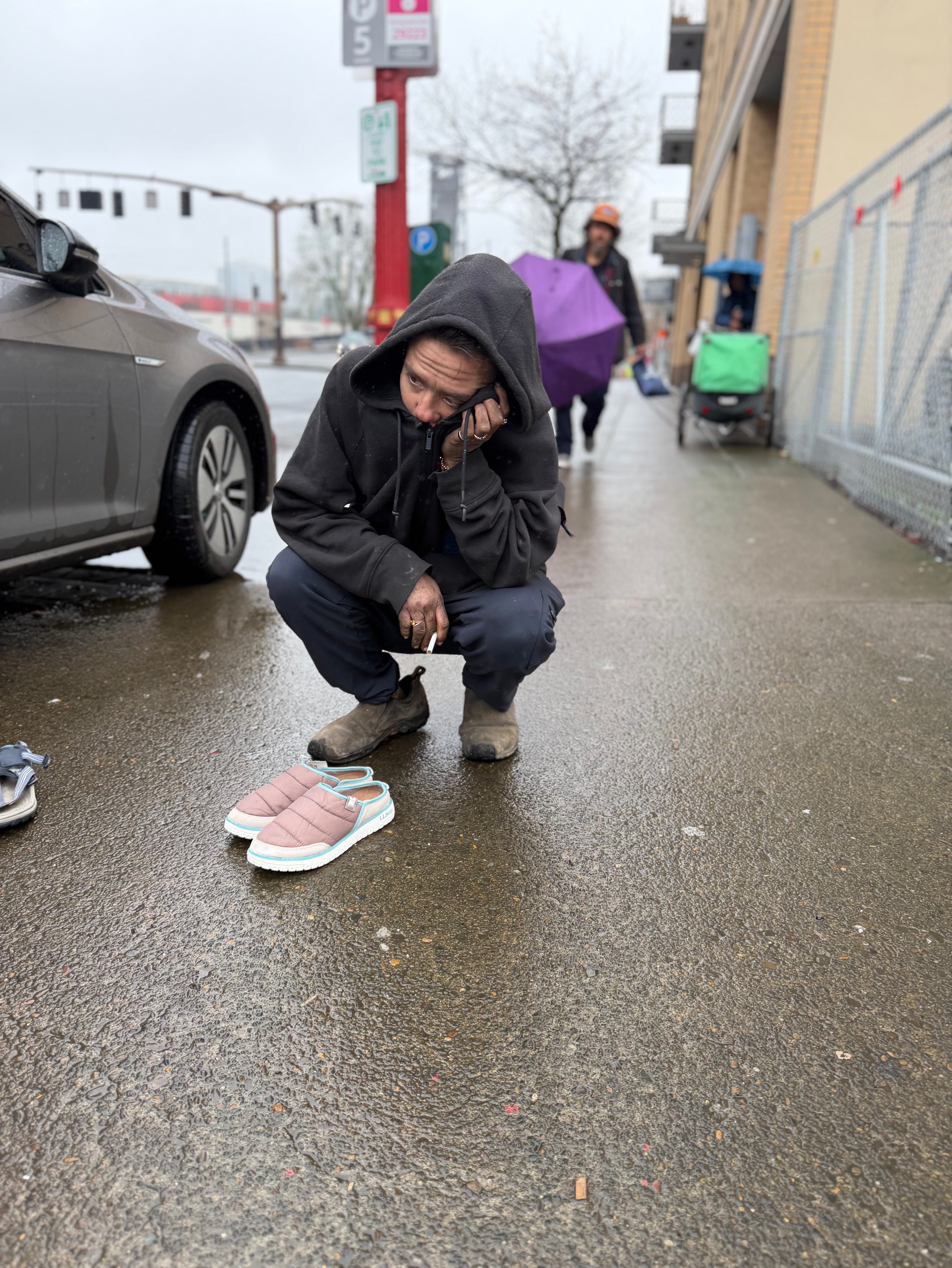
The evidence-based Housing First model included robust, multidisciplinary support. It wasn’t passive. It wasn’t “Here’s your key, good luck.” It involved assertive community treatment teams, frequent contact, psychiatric care, addiction services, case management with real engagement, and consistent follow-up. It recognized that for many chronically homeless individuals, particularly those with severe mental illness and substance use disorders, housing was the platform, not the cure. What we often see now is something very different.
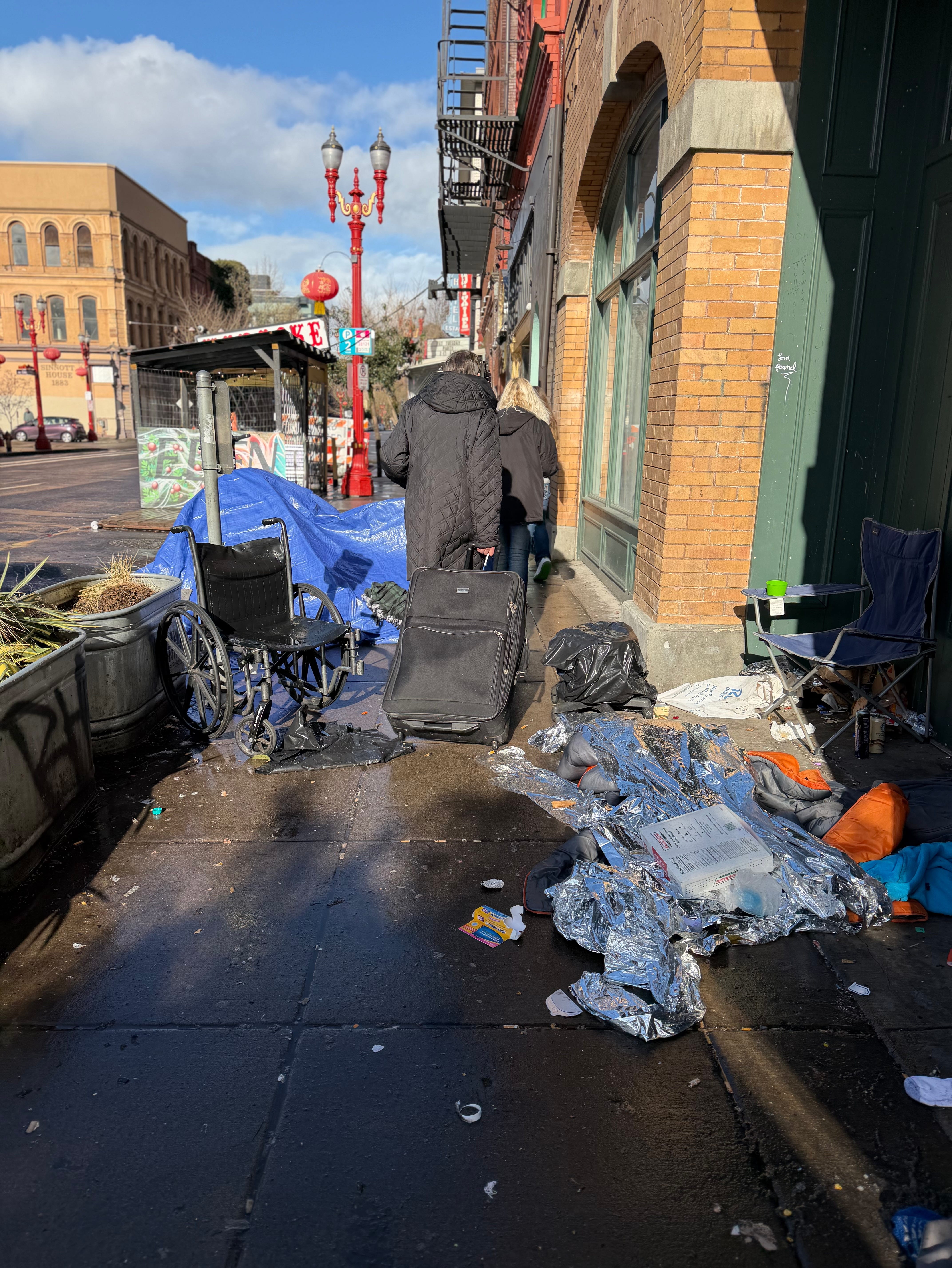
An individual with untreated schizophrenia, a traumatic brain injury, or a fentanyl addiction that has consumed the last decade of their life is placed into subsidized housing. Services are offered but entirely voluntary. Behavioral expectations are loosely enforced or inconsistently applied. Windows get smashed. Units get destroyed. Neighbors grow afraid. Police are called. Landlords pull out of partnerships. The tenant spirals deeper into crisis. Eventually, eviction looms, or the person abandons the unit altogether. And then what? Back to the street.
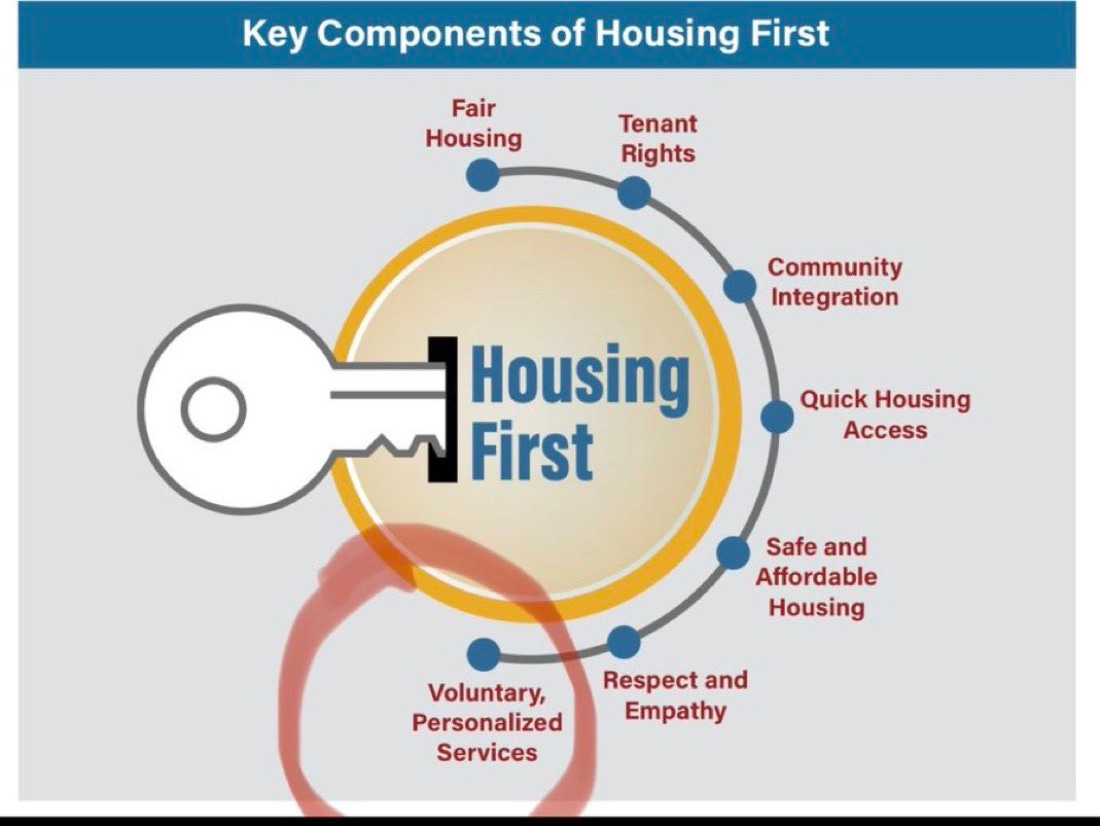
Not because housing doesn’t work, but because housing without adequate structure and clinical support isn’t stabilization. It’s displacement with a roof. We have built an entire system around the principle that services must be voluntary at all times, in all circumstances. In theory, that protects autonomy. In practice, it often leaves people to face their illnesses alone. If someone is in active psychosis, are they meaningfully choosing to decline services? If someone is in the grip of fentanyl addiction, is “optional treatment” a realistic intervention?
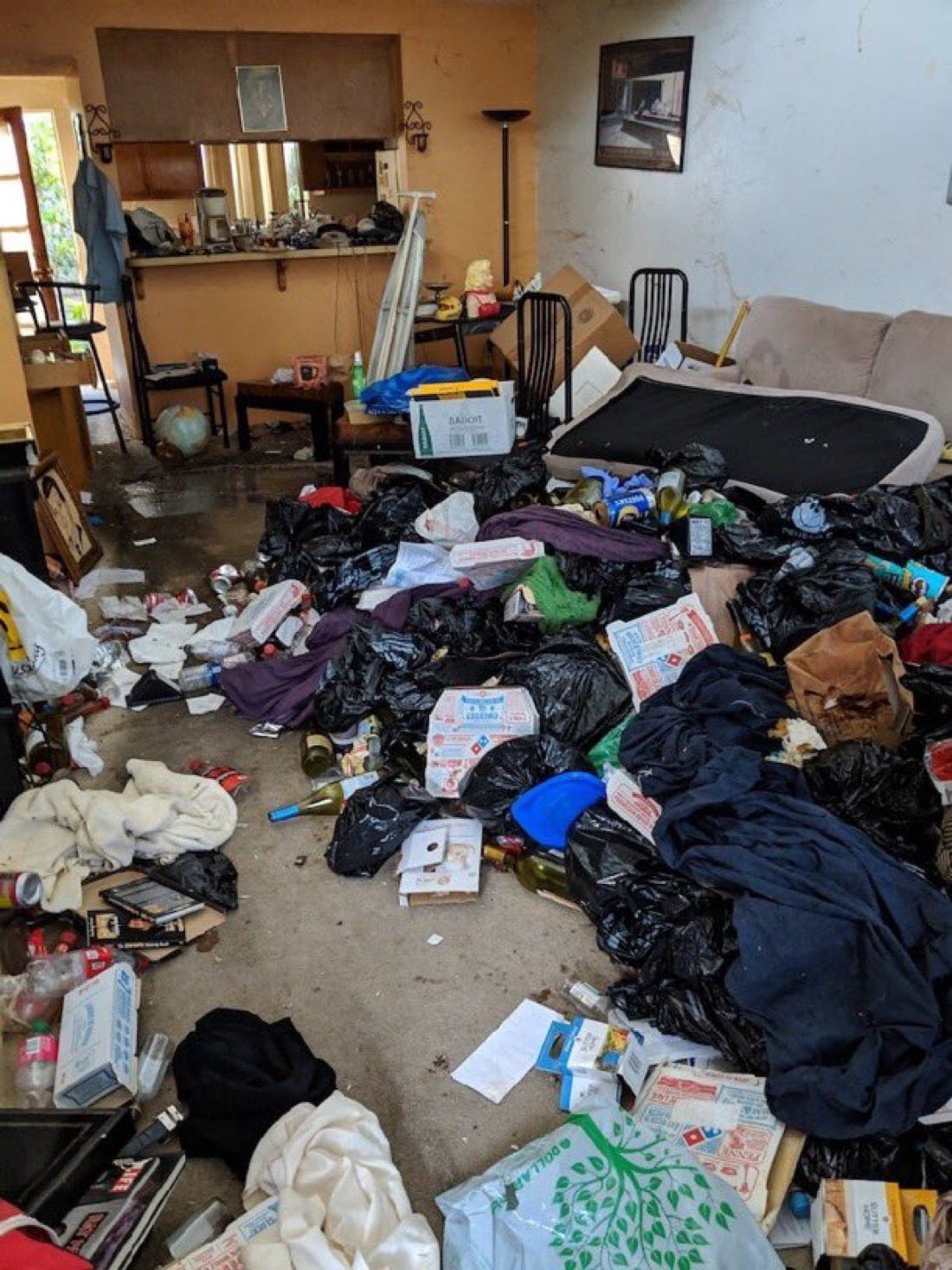
We frame everything as choice, even when the very conditions we’re addressing impair the ability to choose. We would never approach other medical crises this way. We don’t hand insulin to someone in diabetic shock and say, “Use it if you feel like it.” We don’t discharge a person with a severe brain injury into an apartment and hope they self-manage complex care.
Yet we routinely house individuals with profound behavioral health challenges and treat structured treatment engagement as an unacceptable imposition. There is also a broader consequence that rarely gets acknowledged: public trust.
When high-profile housing placements visibly fail — property damage, emergency calls, violent incidents, repeated overdoses — it doesn’t just affect one building. It erodes confidence in the entire approach. Communities begin to question whether investments are working. Taxpayers grow skeptical. Political support weakens. The narrative shifts from “housing solves homelessness” to “we’re throwing money into a broken system.”
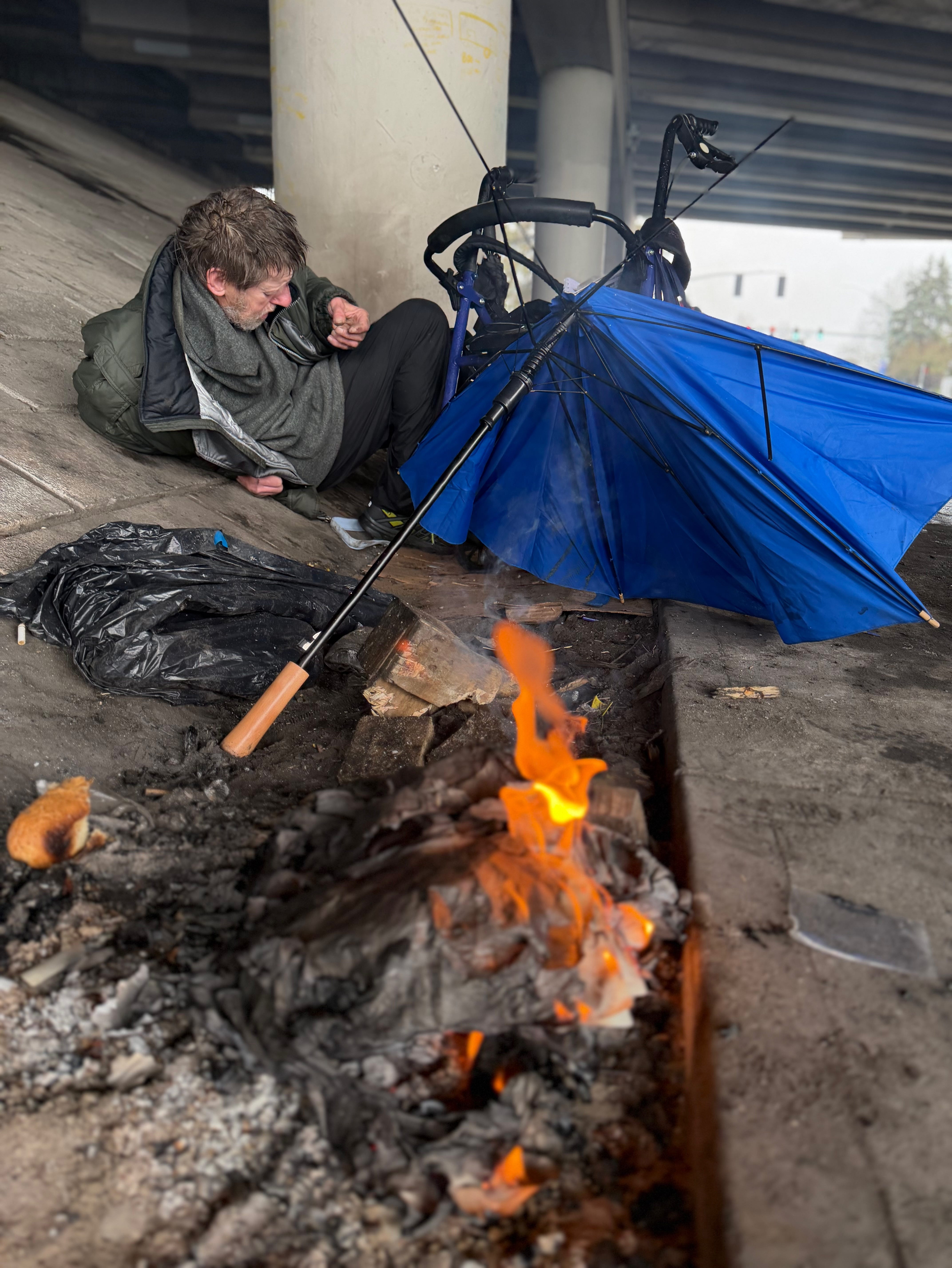
For the homeless on the streets due to job loss, domestic violence, or temporary economic shock, housing alone may be enough. For that population, rapid rehousing can work well. Stability often returns once the immediate crisis is resolved. But the chronically homeless population individuals cycling through jail, emergency rooms, psychiatric holds, detox centers, and long-term encampments, often present with layered, complex conditions: severe mental illness, co-occurring substance use disorders, developmental disabilities, traumatic brain injuries, deep trauma histories, years of institutional distrust. In many cases, decades of instability. Those challenges do not evaporate because someone now has a key.
Without assertive clinical engagement, structured programming, and clear expectations, many individuals simply transfer the chaos of the street into a smaller space. The environment changes. The underlying drivers do not. We have created a false binary in this debate. Either you support Housing First exactly as currently implemented, or you want to return to the dark, abusive institutions of the past. That framing shuts down serious reform. It replaces discussion with moral accusation.
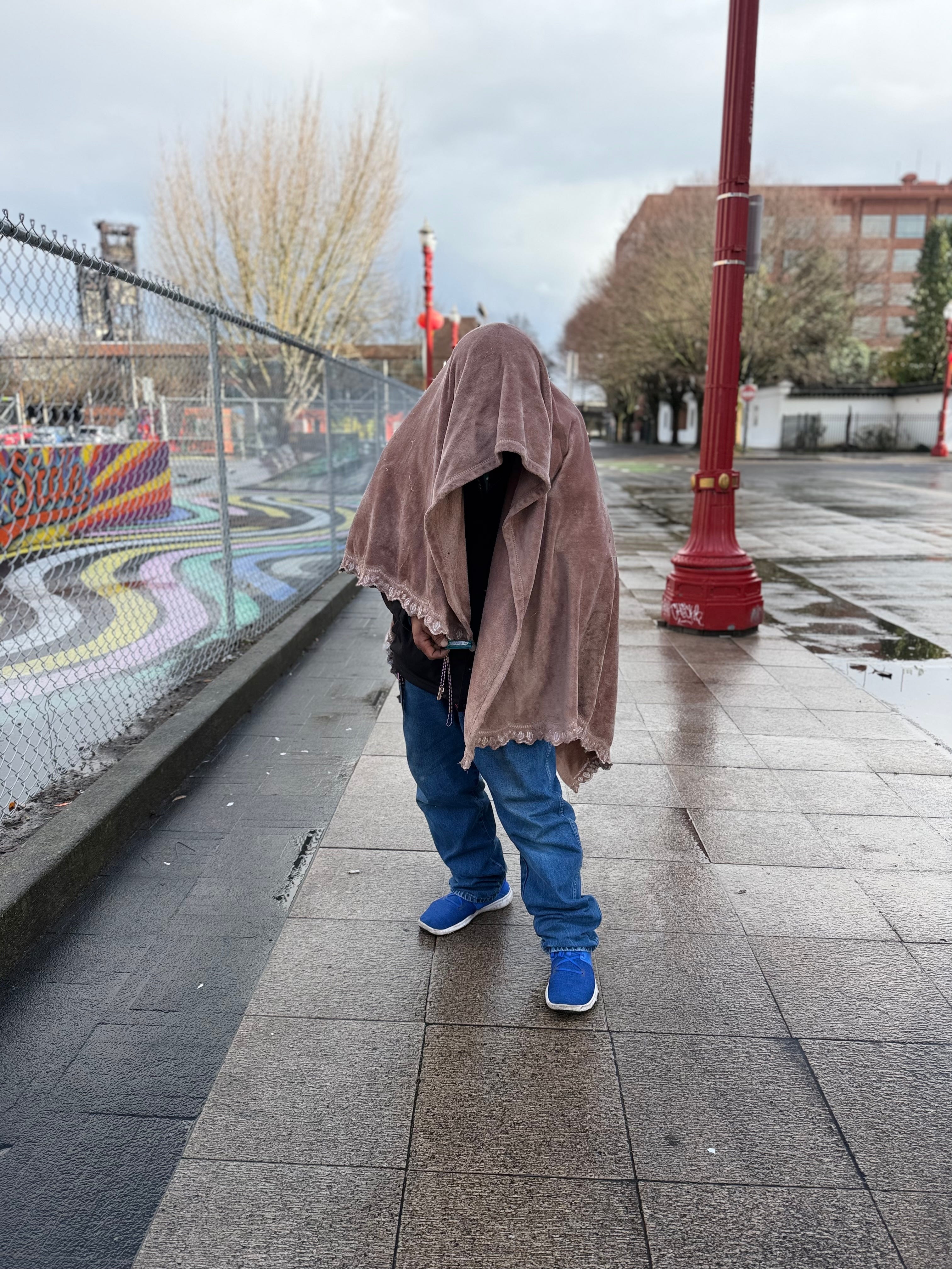
We can reject the brutality of old institutions and still acknowledge that leaving someone to deteriorate in an apartment without meaningful intervention is not humane. We can believe in civil liberties and still recognize that untreated psychosis and severe addiction strip people of agency long before any court order does.
We can insist on housing as a right and also insist that stabilization requires more than a lease. Structure is not punishment. Accountability is not cruelty. Treatment is not oppression.
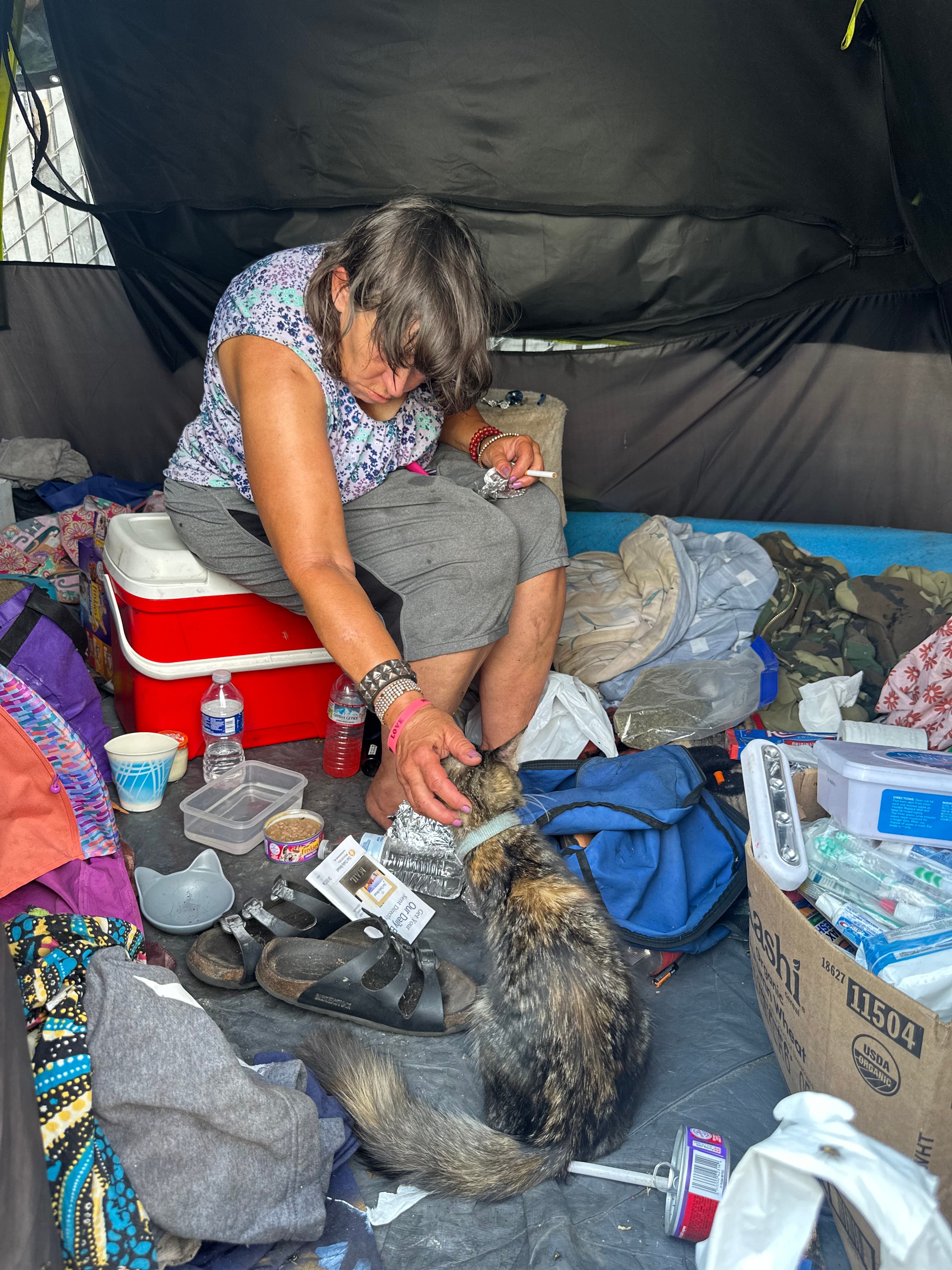
If we are serious about outcomes rather than optics, reform would mean expanding high-support housing with embedded clinical teams with manageable caseloads and real authority. It would mean creating graduated housing models where independence increases as stability increases. It would mean earlier and more accessible civil commitment pathways for individuals demonstrably unable to care for themselves and cycling between crisis systems. It would mean integrating addiction treatment directly into housing rather than treating it as an optional referral. It would mean acknowledging that some individuals need long-term structured environments, not tents, not jail, not emergency rooms, but places designed specifically for stabilization.
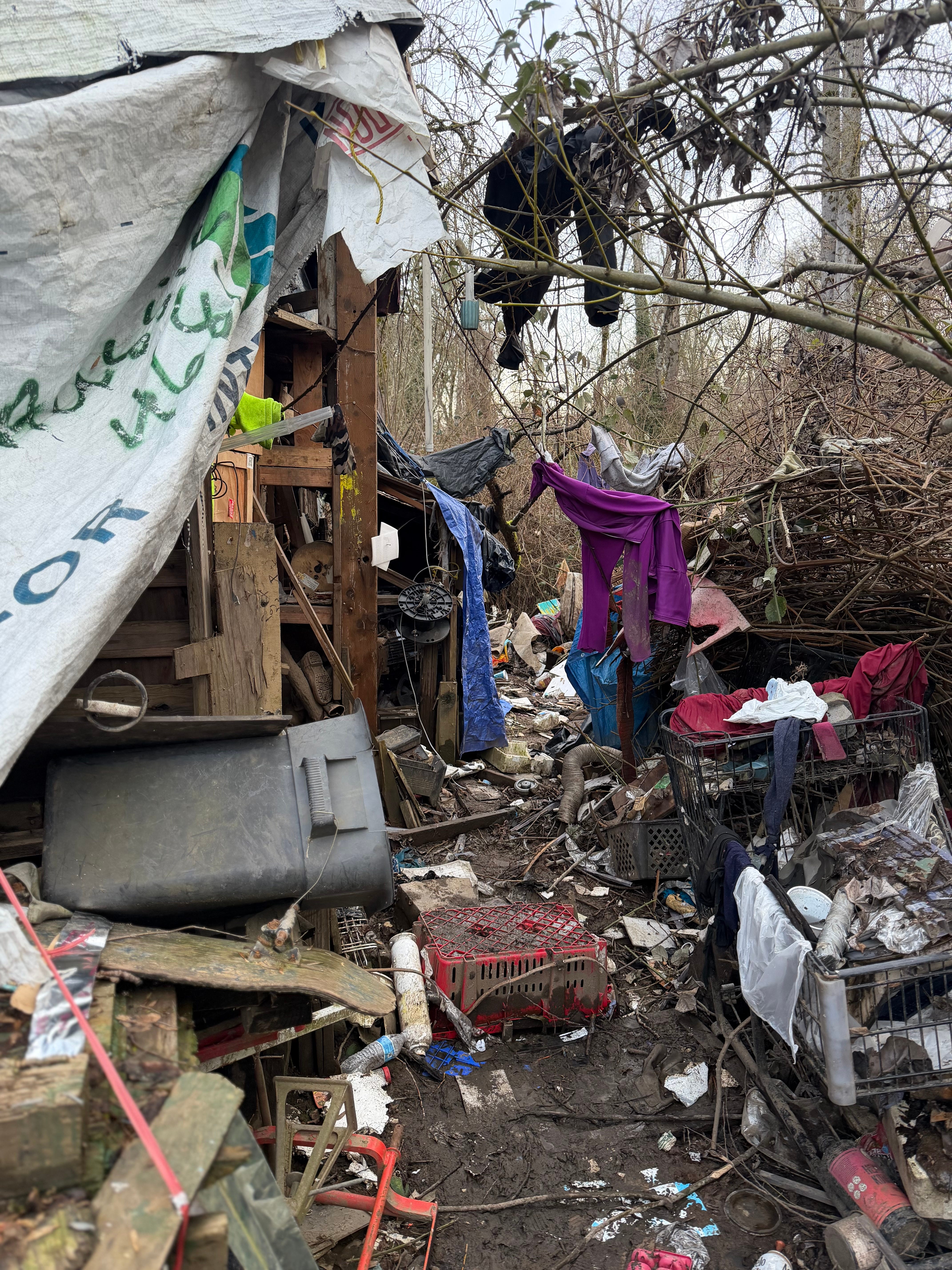
None of this negates dignity. For many of the most vulnerable people on our streets, structure may be the very thing that preserves it. Housing First was a powerful idea because it recognized that stability begins indoors. But stability does not end there. If we continue pretending that keys alone are enough, we will keep repeating the same cycle: placement, crisis, eviction, return to the street.
As it is currently practiced, Housing First doesn’t solve the problem. It hides it.
This essay captures the political-economic reality of our housing crisis perfectly. I think this is your best, most clear writing I've read from you so far. We need everyone in the homelessness industry to read this essay - politicians, government officials, NGO leaders, housing investors, and policy makers. This is the real Truth of the streets. Well said Kevin. Thank you for your insight, clarity, and conviction for the people who need more help than we currently have to give them. Keep up the good fight.
Slogans never do much good, but instead of “housing first”, it might be better to use “responsibility first”……But that is too harsh for all of us.