

The Homeless Industrial Complex Counts Money, Not Results
The system rewards activity, protects funding, and avoids accountability for whether homeless people actually get better.

I have encountered the same homeless people during outreach visits, encampment sweeps, overdose reversals, hospital discharges, shelter referrals, nonprofit events, and police responses. Every agency involved can document that it did something. Someone made contact, completed an assessment, offered a referral, handed out a brochure, or entered the person’s name into a database. Then I return days, weeks, or months later, and the person is still on the same sidewalk. That is one of the biggest failures of the homelessness system: It rewards activity, not results.
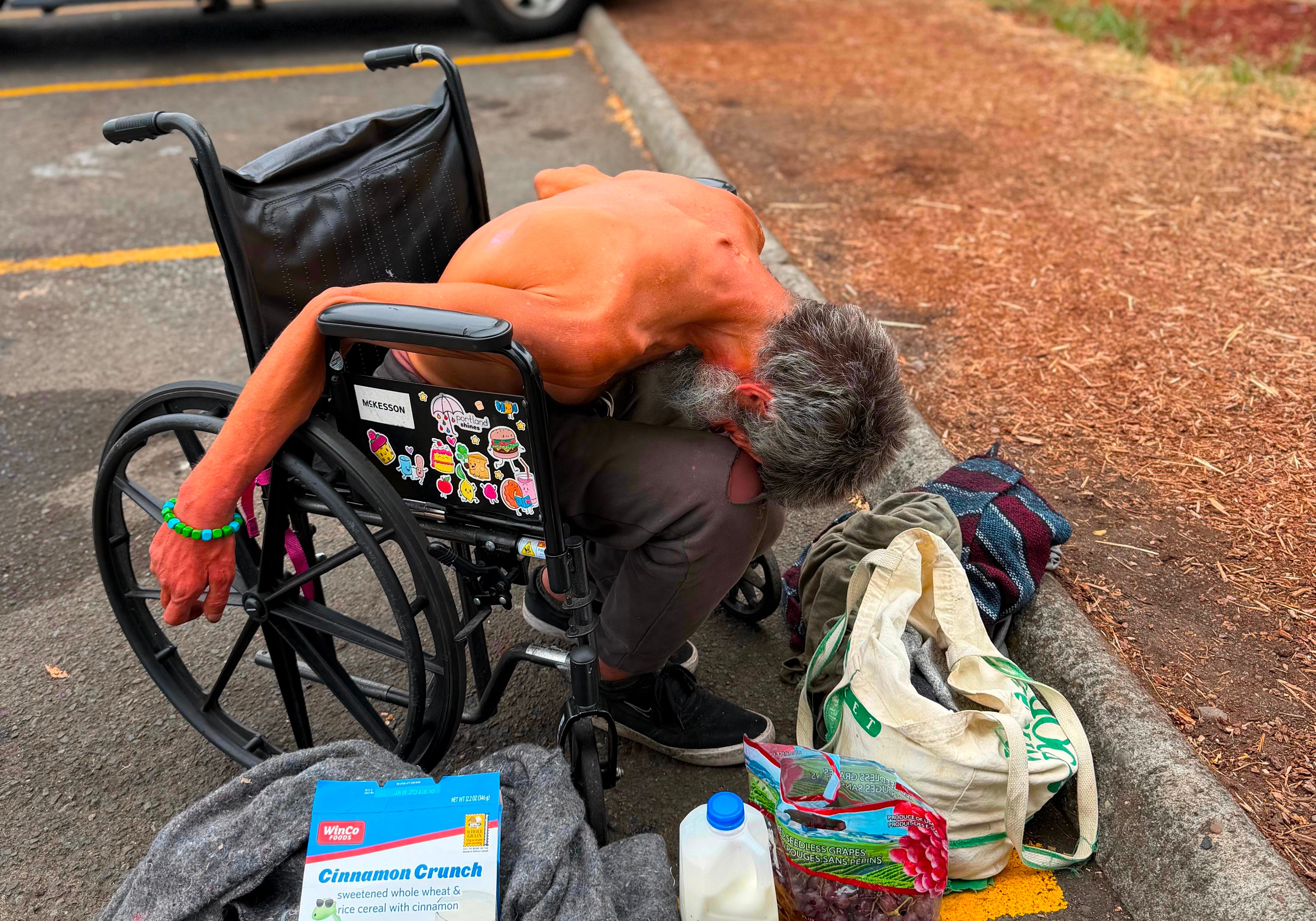
Government agencies and nonprofits regularly publish reports filled with impressive numbers. They count outreach contacts, meals served, hygiene kits distributed, shelter referrals completed, housing applications submitted, tents removed, and dollars spent. Those numbers may prove that workers were busy, but they do not prove that anyone escaped homelessness. A contact is not an outcome. A referral is not treatment. A housing application is not housing. A shelter offer is not a successful placement. Removing a tent is not ending someone’s homelessness.
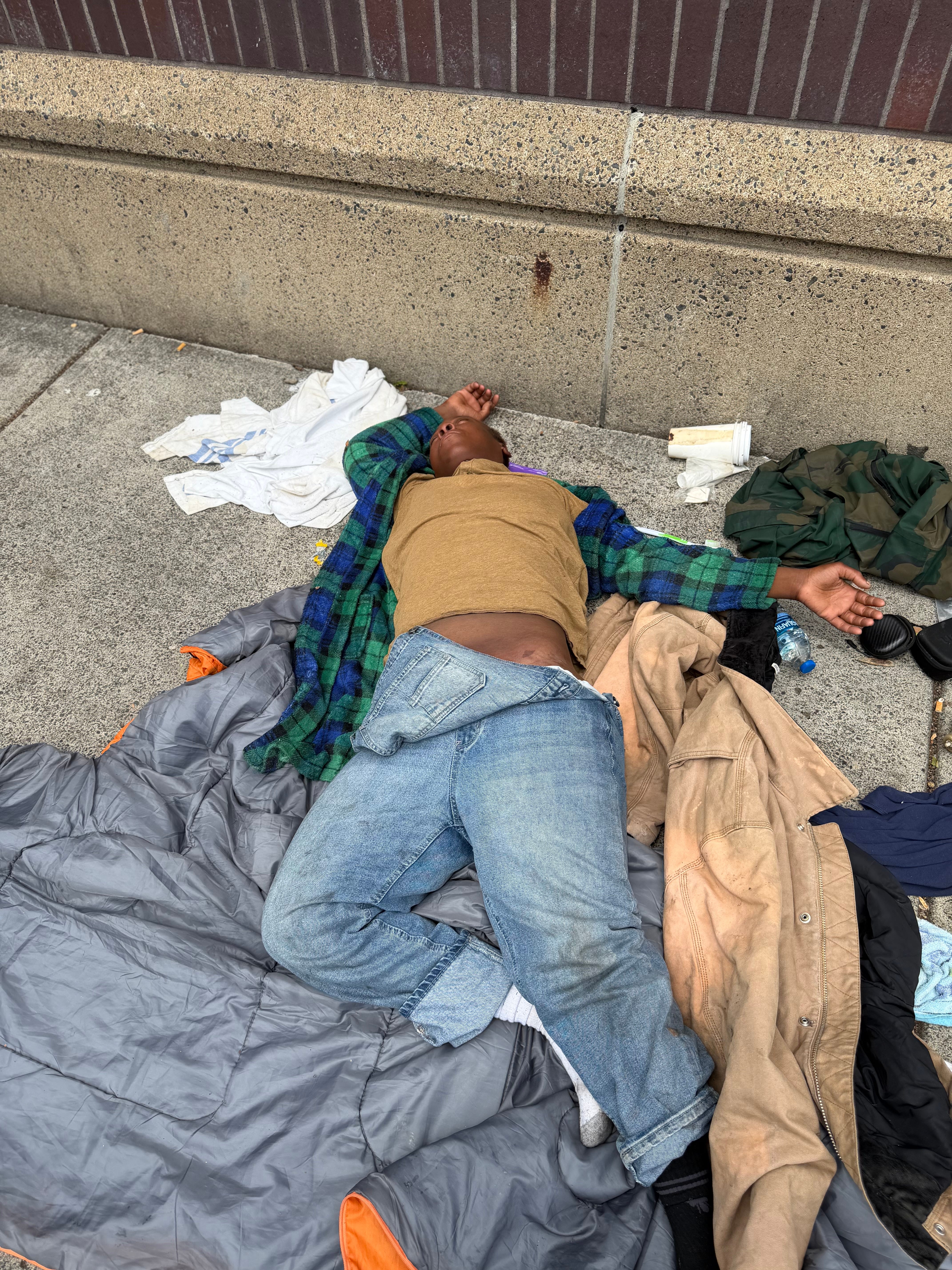
The public defines success differently. Taxpayers want fewer people living and dying outside. Families want their loved ones to receive treatment. Neighborhoods want sidewalks and parks restored. Homeless people who genuinely want help need a realistic path into shelter, housing, recovery, medical care, or mental health treatment. The system often measures the steps taken rather than whether anyone reaches the destination.
There is a critical difference between outputs and outcomes. Outputs measure what an organization did: how many people it contacted, meals it served, assessments it completed, or referrals it made. Outcomes measure what happened to the person. Did they enter shelter? Begin treatment? Move into housing? Remain housed? Stabilize their health? Reconnect with family? Stop cycling through emergency rooms, jail, and the streets? Were they still alive six months later?
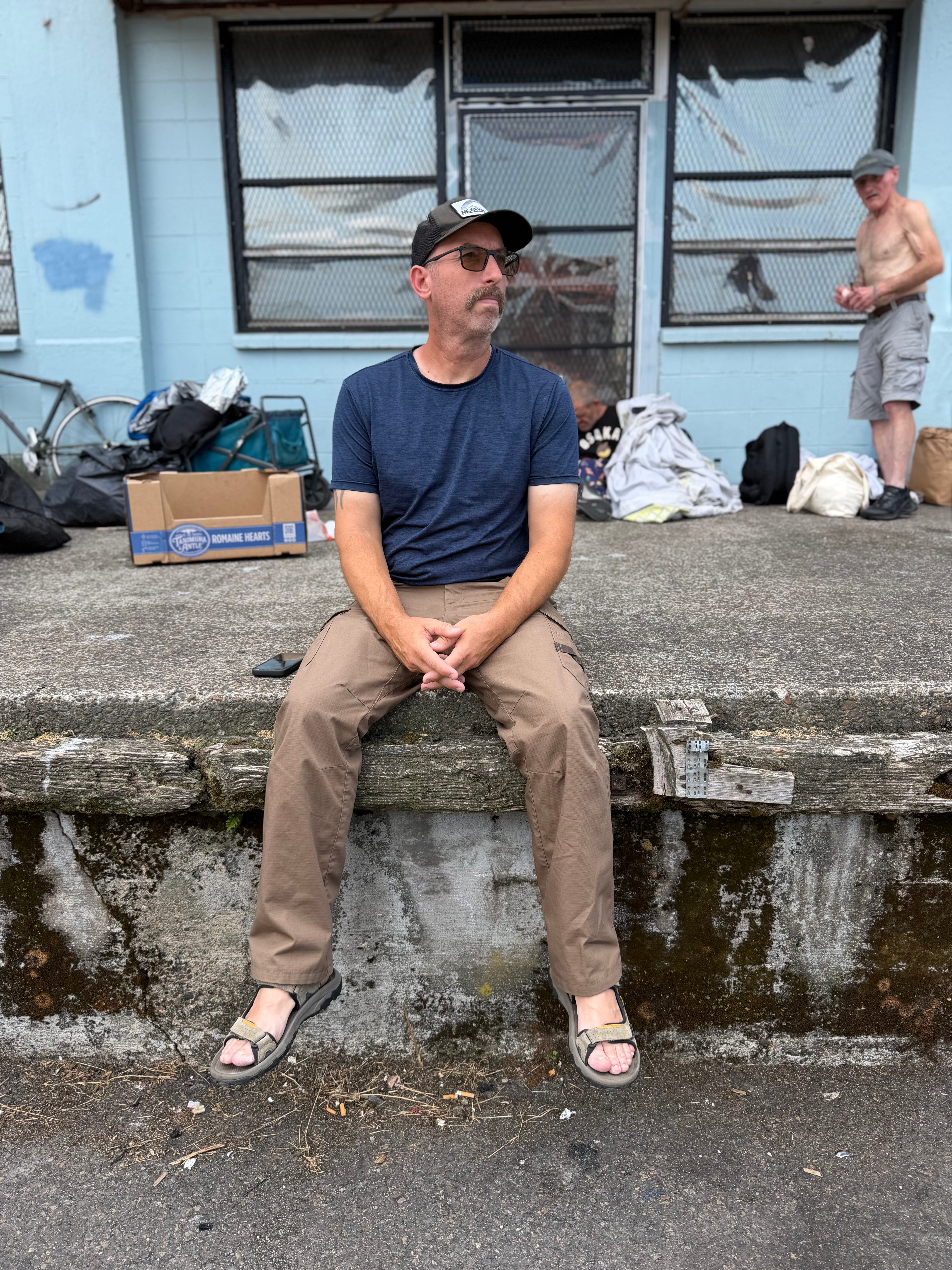
A person can receive hundreds of meals and remain homeless for years. They can meet dozens of outreach workers and never enter treatment. They can complete multiple assessments and still sleep outside. They can be referred to a shelter that is full, a treatment program with a waiting list, or an office they have no transportation to reach. On paper, the system served them. In reality, nothing changed.
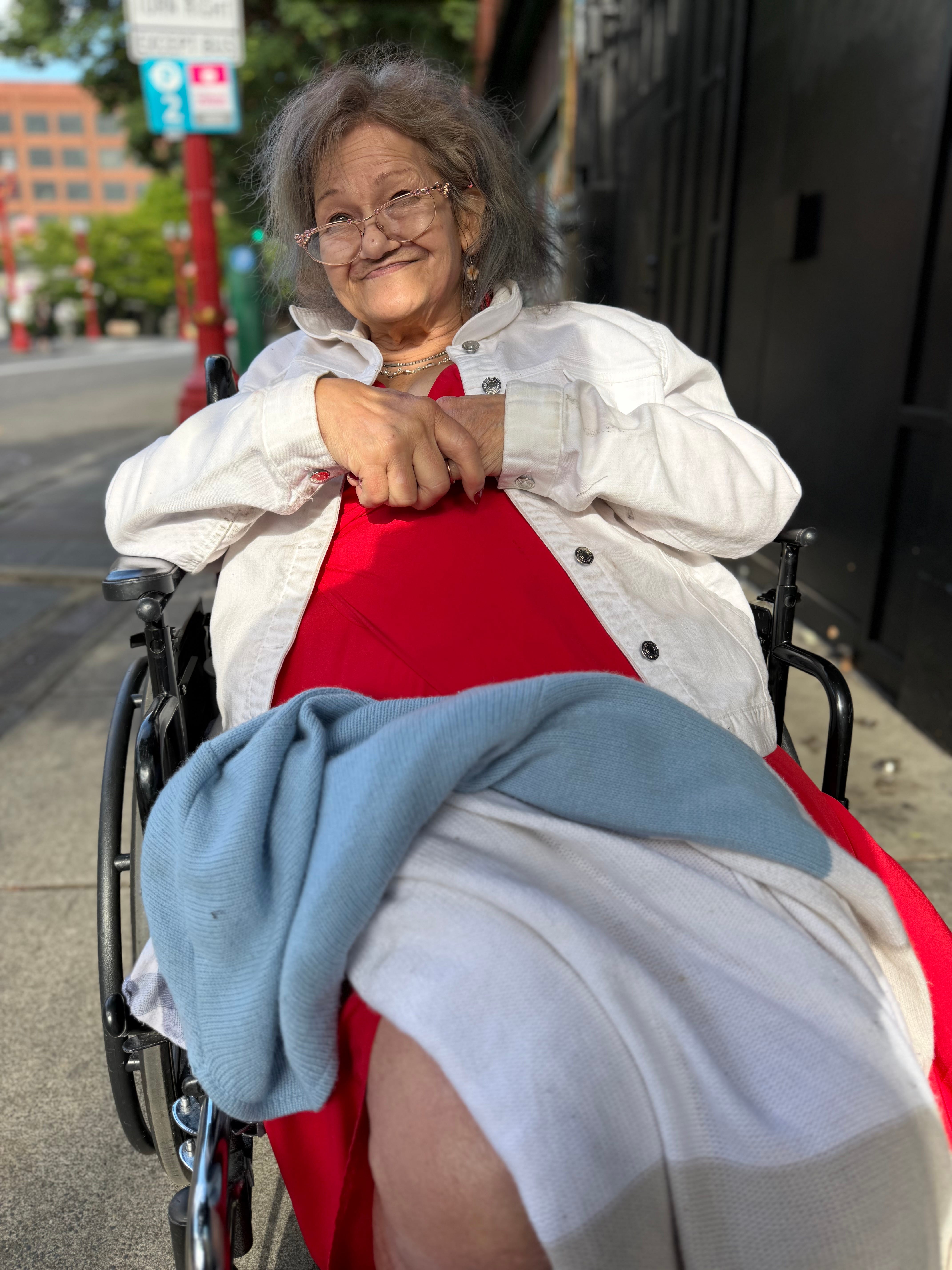
Blanchet House of Hospitality is a Portland nonprofit that serves hundreds of thousands of meals each year, primarily to homeless and low-income people. Preventing hunger matters, and feeding someone in crisis is valuable work. But a meal should also be an opportunity for engagement. I know one homeless person who has eaten there regularly for roughly 30 years. Blanchet House may understandably view those meals as a success because they kept him from going hungry. But the larger system should still ask why decades of repeated contact did not produce a successful path off the streets.

Was anyone consistently identifying his barriers, connecting him with the right provider, and following through? If one organization was not equipped to do that work, was another brought in? I know dozens of homeless people who have eaten there for around a decade and many more who have gone there regularly for several years. Only more recently have outside outreach workers been allowed to meet with people inside while they eat. For years, that appears to have been a missed opportunity to reach people in a safe and familiar setting. Serving meals is important. But when the same person returns year after year without meaningful improvement, the system should ask what additional intervention is needed.
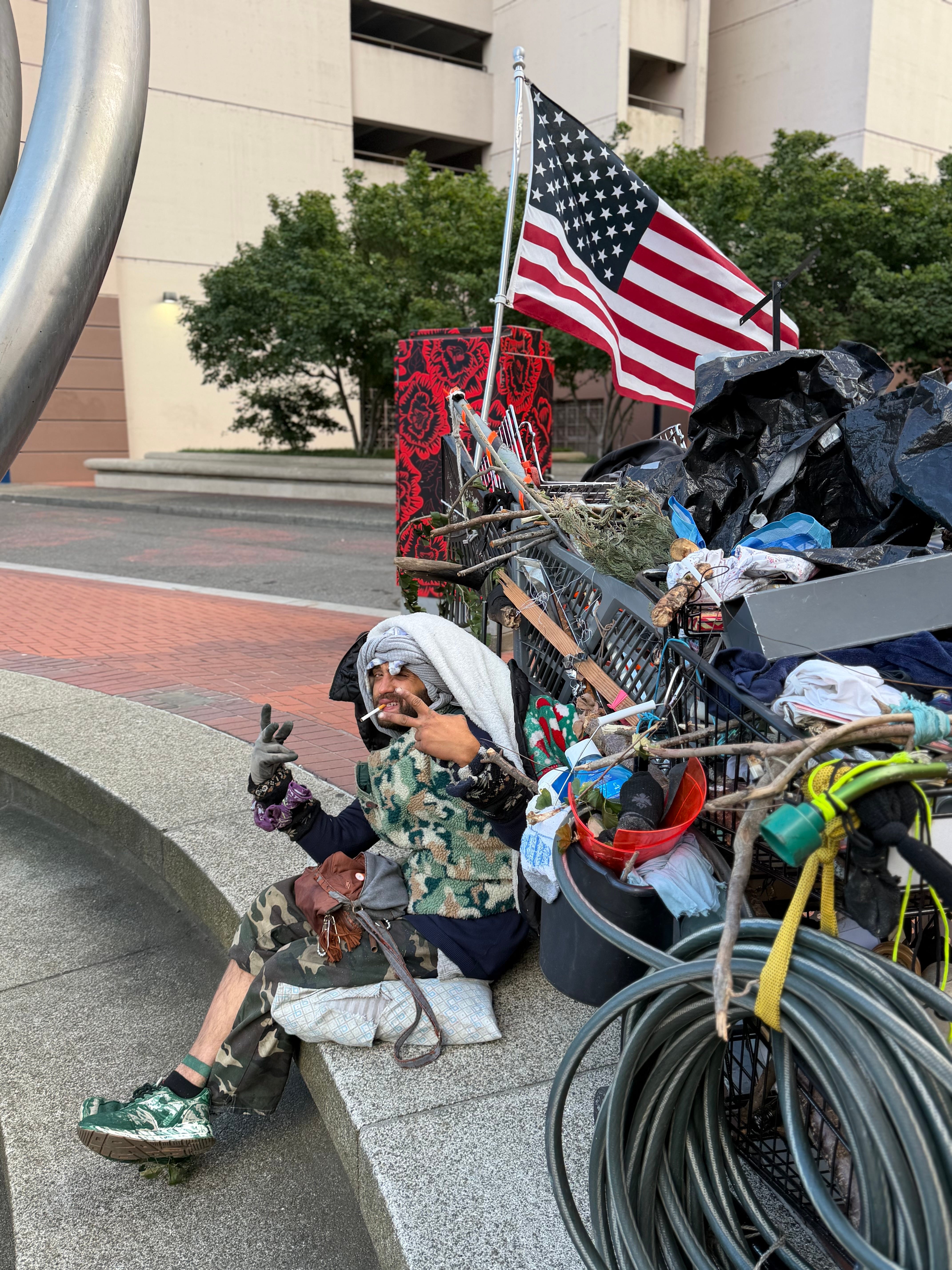
This is what I call the referral illusion. A worker gives someone a phone number, brochure, or address and records that services were offered. But the person may not have a phone, identification, transportation, stable mental health, or the ability to navigate a complicated intake process. The program may be full. The shelter may not accept a pet, partner, disability, belongings, or medical needs. The worker completed a task. The organization recorded an output. The homeless person remained exactly where they were.
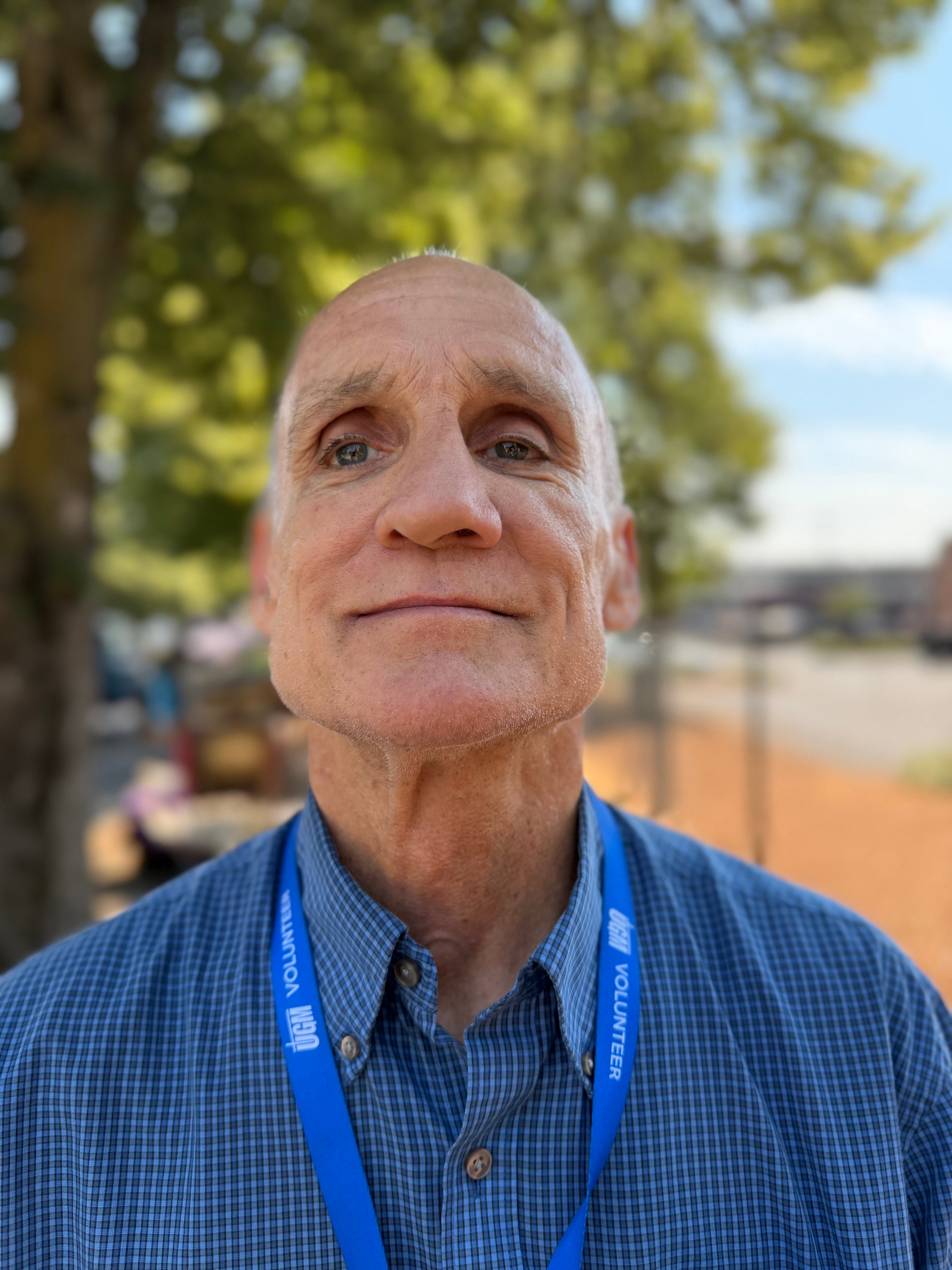
Real help requires more than information. It may require confirming that a bed exists, arranging transportation, helping with paperwork, accompanying the person through intake, addressing medical or psychiatric barriers, and following up afterward. The hardest work usually begins after the first contact.
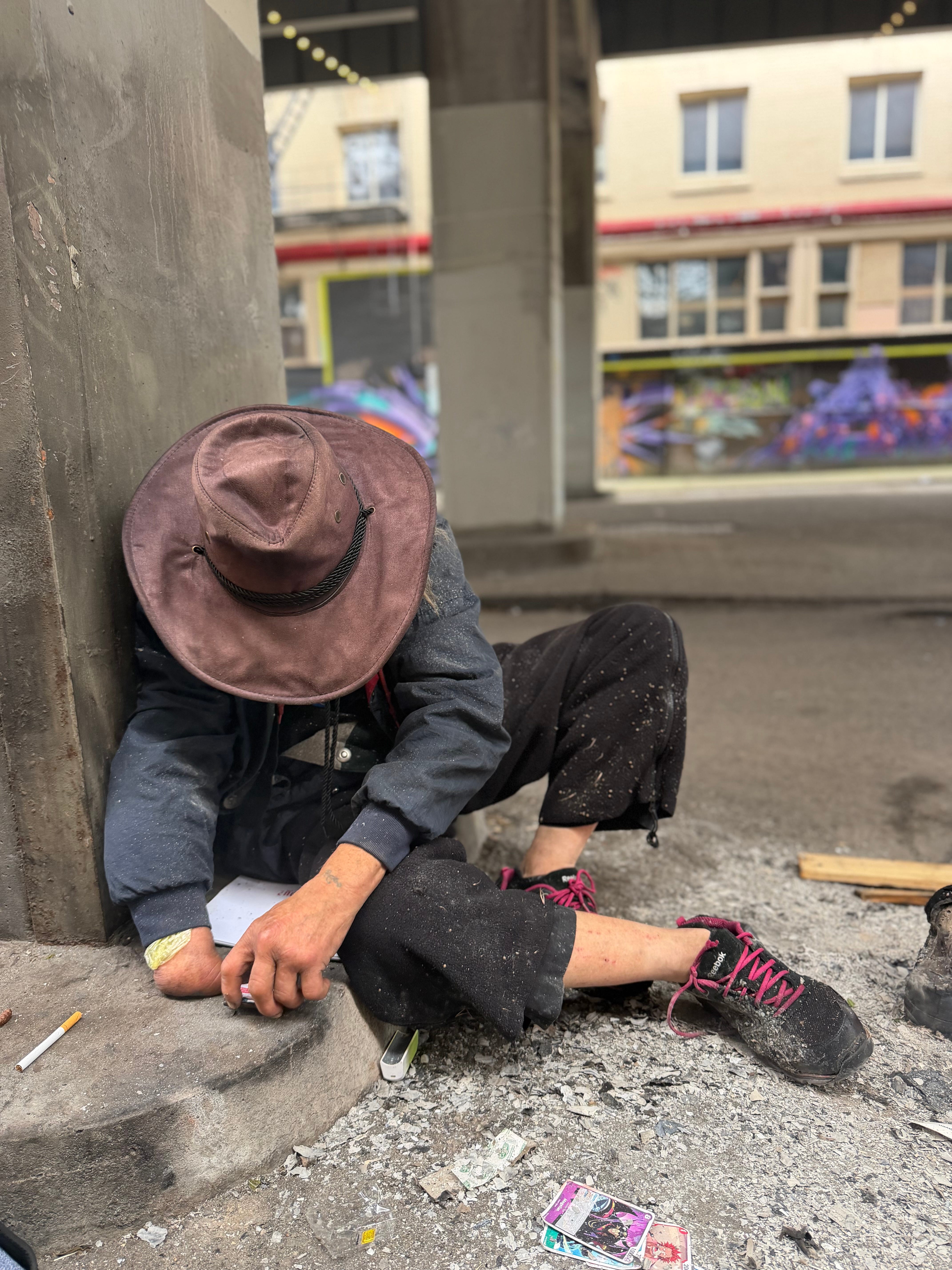
I once ran a city homeless program. When I was hired, an outside homeless nonprofit was already under contract for another year. I requested a meeting to discuss collaboration and accountability. Its director told me the organization would not disclose who it was working with, what it was doing, when its workers were operating, or where they were working. During that year, I never saw its workers in the field.
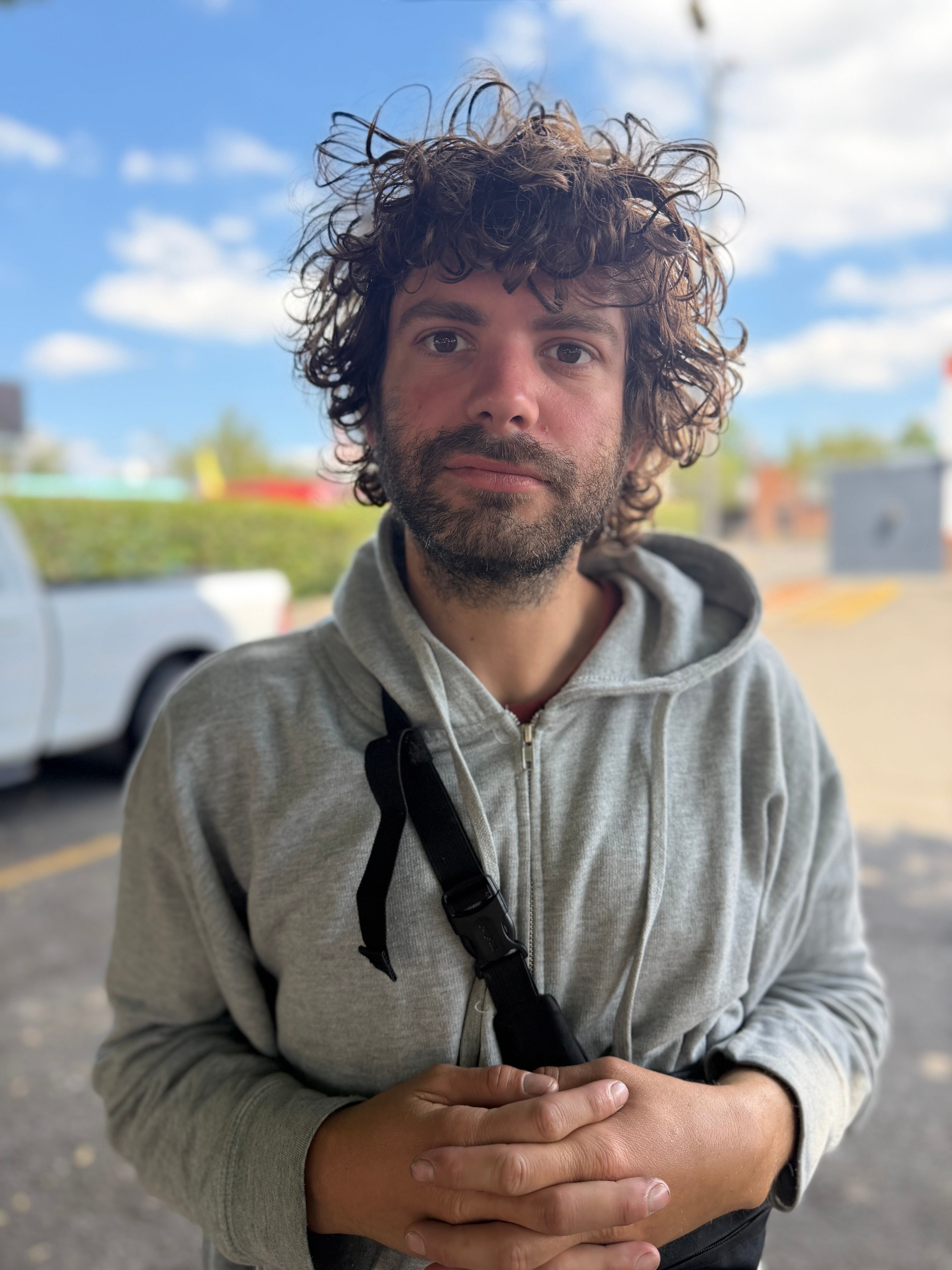
At the end of the contract, the organization reported helping more than 100 homeless people in the city. By then, I had personally met nearly every homeless person there, and none I spoke with remembered working with the organization. That does not prove no work occurred. It shows why publicly funded contracts need independently verifiable results. When a contract requires only reported contacts rather than confirmed placements or outcomes, meaningful accountability becomes nearly impossible.
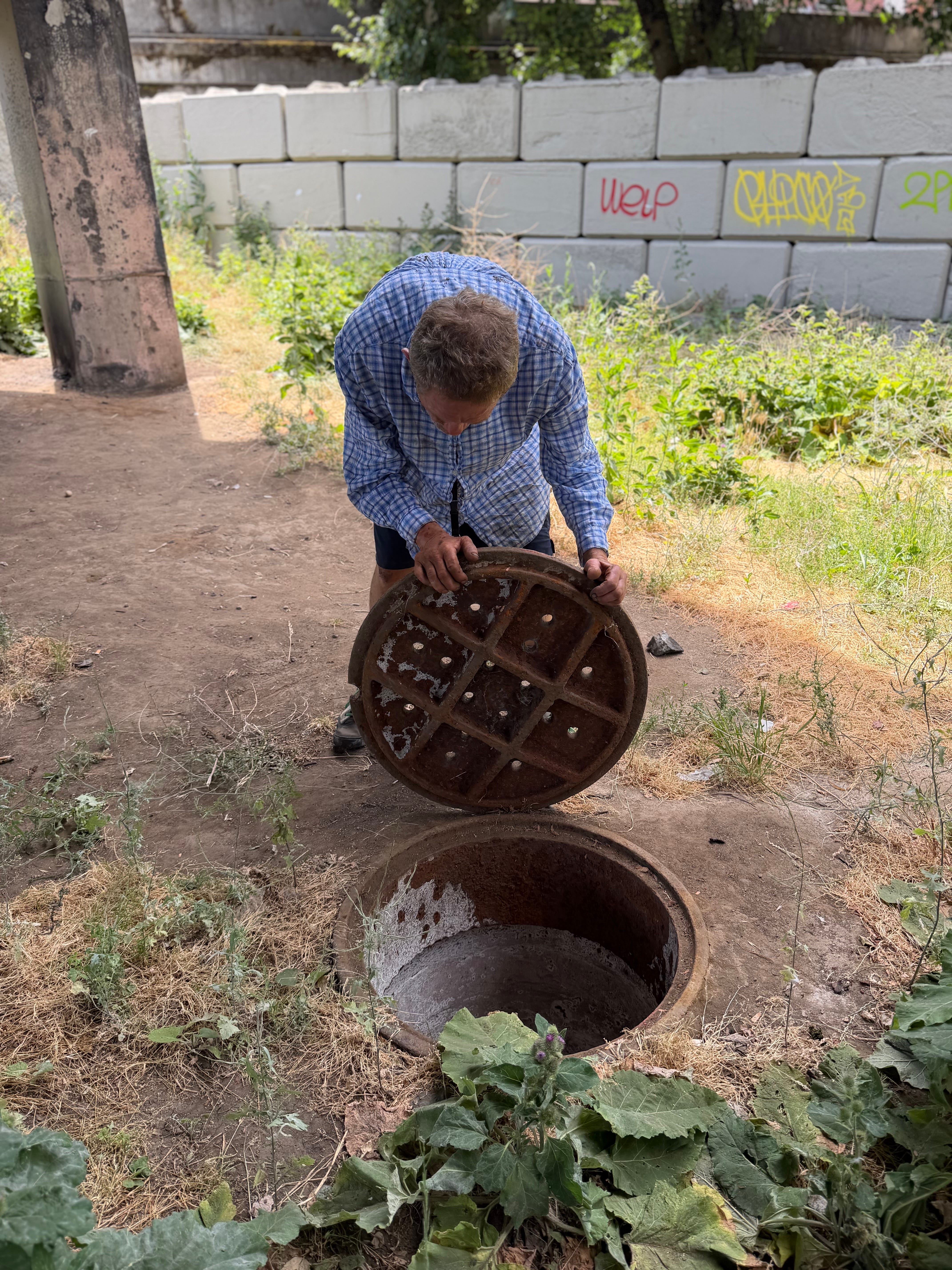
Many people living outside struggle with severe addiction, untreated mental illness, trauma, cognitive impairment, or deep mistrust of institutions. Some have been homeless for years. A five-minute conversation is rarely enough to change the direction of their life. They may need repeated contact over days, weeks, or months. Someone may need to build trust, replace identification, coordinate treatment, reconnect them with family, and remain involved after placement. In severe cases, they may need structured care or legal intervention because they are no longer capable of making safe decisions for themselves.
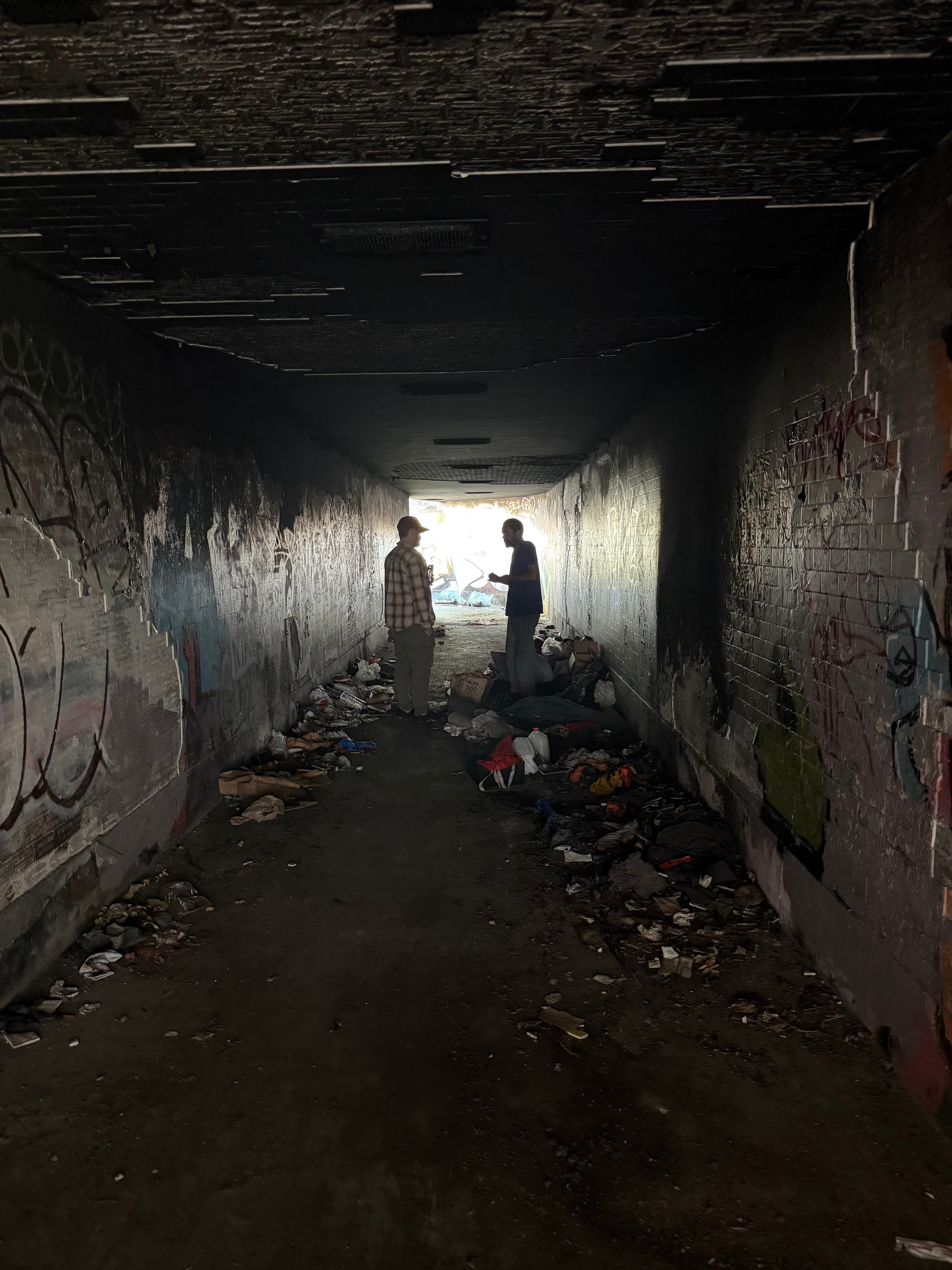
Yet the system often gives nearly as much credit for a brief contact as it does for a successful placement. That is backwards. Activity is easy to count. It is simple to document meals served, kits distributed, assessments completed, and outreach contacts made. It is much harder to determine whether someone remained housed, completed treatment, or stabilized over time.
Some programs are not required by their contracts or grants to track meaningful long-term results. An organization may report placing hundreds of people into housing, but how many remained housed after six months? How many were evicted? How many returned to homelessness? How many died? How many received meaningful support after receiving the keys? Those questions are less convenient because the answers may threaten contracts, funding, political careers, or public trust. Activity metrics protect the system. Outcome metrics evaluate it.
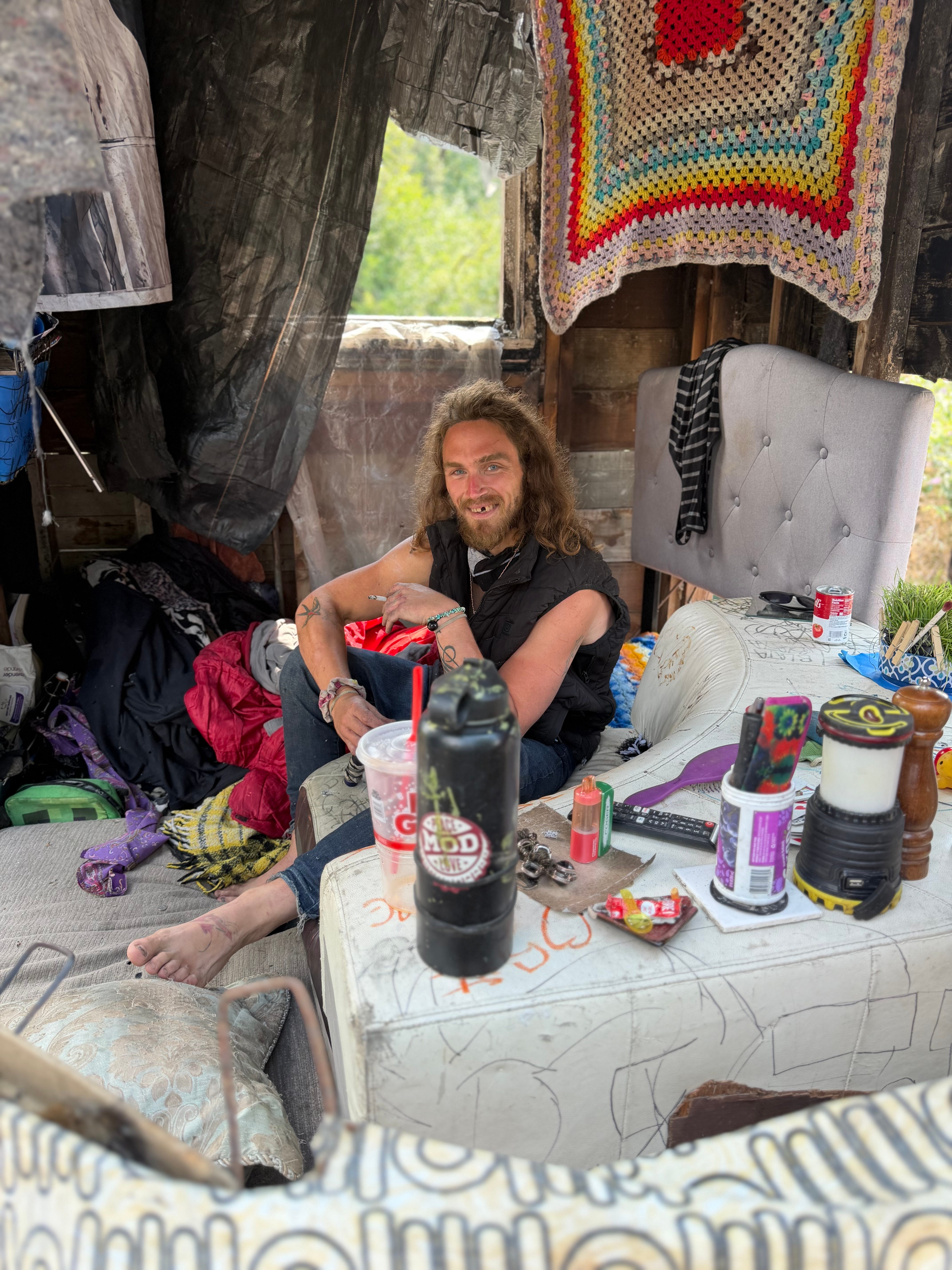
Responsibility is also divided among countless organizations. Cities handle camping, sanitation, and public spaces. Counties oversee behavioral health, addiction services, and much of the homelessness response. States control major funding and healthcare programs. Federal agencies provide grants. Nonprofits deliver services. Hospitals handle emergencies. Police respond to disorder and danger. Each organization can produce a report showing what it did.
But when one person remains homeless for ten years, who is responsible? The city can say it funded outreach. The county can say services were offered. The nonprofit can say the person refused. The hospital can say the person was medically stable at discharge. The shelter can say the person violated its rules. The housing provider can say there were no available units. Everyone can explain their part of the process. Nobody owns the outcome. In the homelessness system, everyone is responsible for a task, but nobody is responsible for the person.

This lack of ownership creates a financial incentive problem. That does not mean every nonprofit or public employee wants homelessness to continue. Many frontline workers are compassionate, underpaid, and doing extremely difficult work inside a broken system. But the structure rewards process instead of resolution.
Programs may be funded based on how many people they contact, serve, assess, or refer. The same homeless person can generate repeated outreach contacts, shelter visits, emergency responses, hospital trips, cleanup costs, and program statistics for years. A person who successfully exits homelessness eventually stops generating those activities. The system does not need a conspiracy to fail. It only needs incentives that reward process while ignoring outcomes.
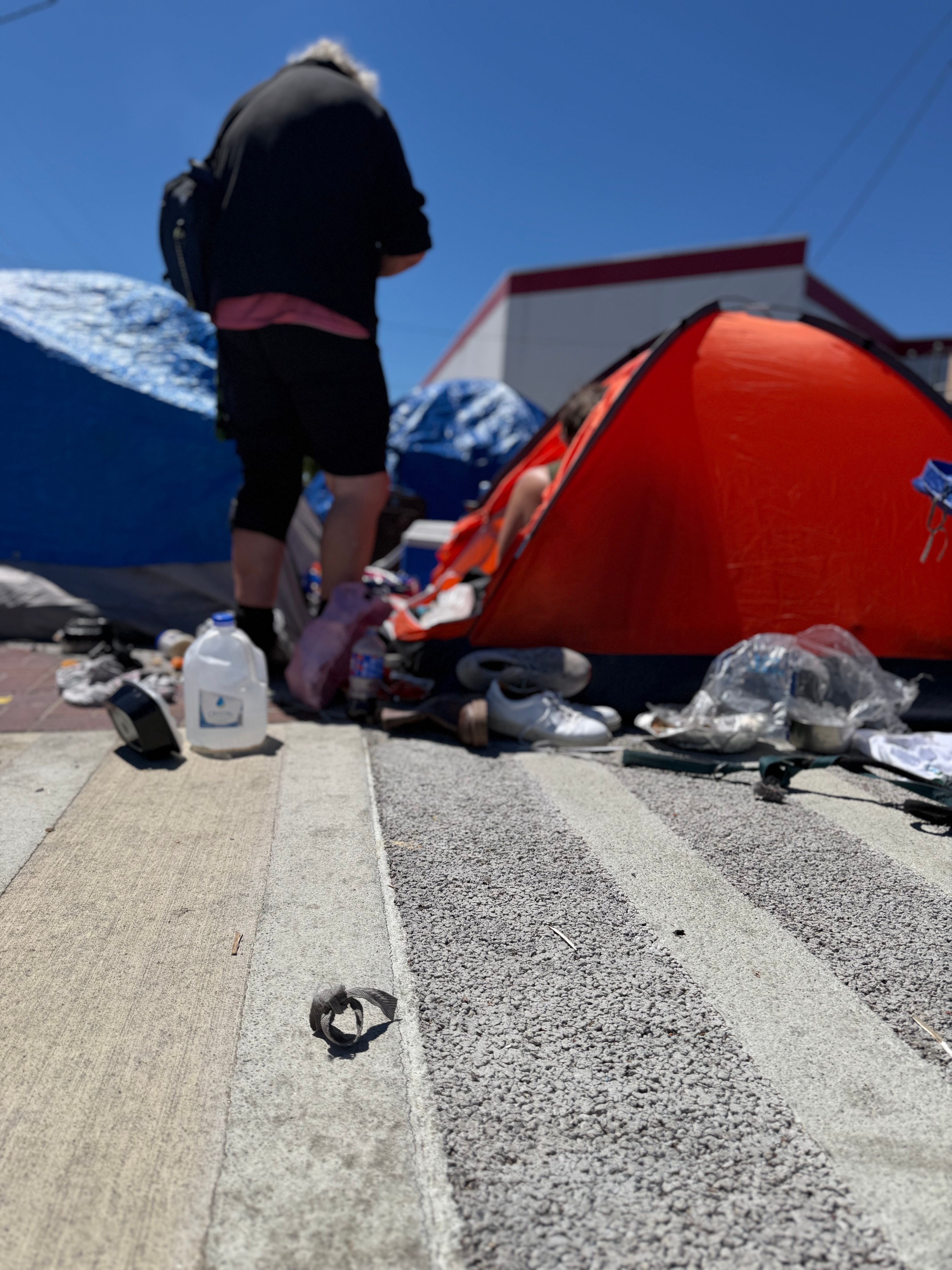
The human cost is enormous. People remain outside while agencies count contacts. Addiction worsens while referrals pile up. Emergency responders revive the same people again and again. Hospitals discharge medically fragile patients back to sidewalks. Encampments are cleared, only for the same people to reappear a few blocks away.
Families are told their loved one must want help, even when that person may be too addicted, psychotic, traumatized, or cognitively impaired to make rational decisions. Outreach workers burn out because they are expected to manage crises without the authority or resources to resolve them. Taxpayers spend more every year while conditions on the streets remain unacceptable. The ultimate failure is not a bad spreadsheet. It is preventable suffering and death.
I have also seen real intervention work. The difference is almost always follow-through. Someone takes ownership of the situation. They do not simply hand the person a phone number or complete an assessment. They stay involved. They find an available placement, arrange transportation, help overcome barriers, communicate with treatment providers, shelters, family members, or landlords, and return when the person refuses the first offer. They combine compassion with expectations and continue until there is a real result. That should be the standard, not the exception.

Every publicly funded homelessness program should report more than how many people it contacted. It should report how many entered shelter, treatment, recovery housing, supportive housing, or permanent housing. It should report how many remained placed after six months and one year, how many returned to homelessness, how many were lost to follow-up, and how many died. It should also report how many referrals actually resulted in admission. A program should not receive the same credit for handing someone a phone number as it does for helping that person successfully enter treatment.
Government should require outcome-based contracting and standardized public reporting. Every publicly funded provider should track activity, placement, retention, stability, cost, and failure. What service was delivered? Where did the person go? Did they remain there? Did their health or safety improve? How much did the intervention cost? Why did the placement fail? What happened after 30 days, six months, and one year? These reports should be public, consistent across agencies, and independently reviewed.
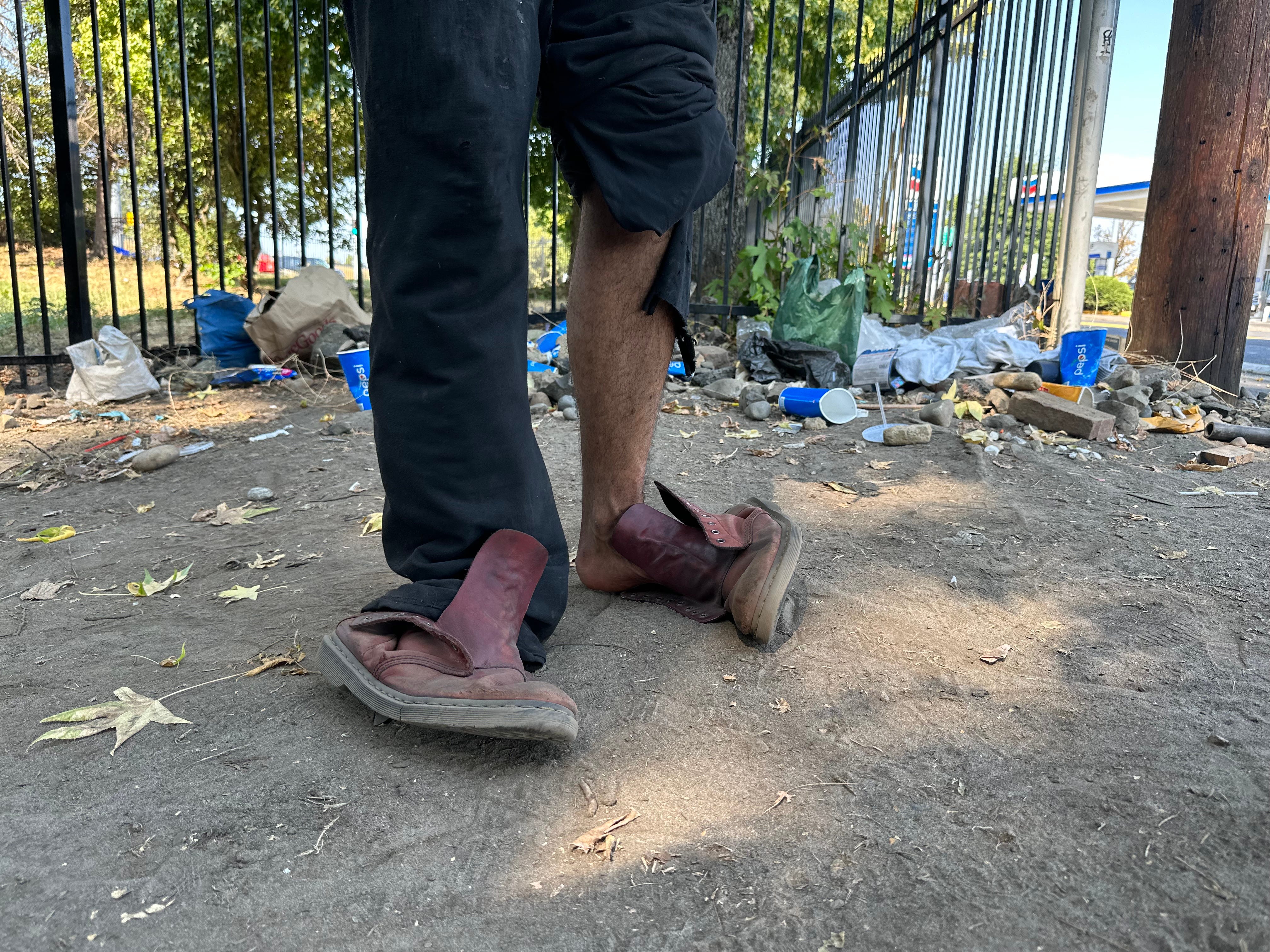
Programs serving the most difficult populations should not be punished simply because their clients face more serious barriers. That could encourage providers to avoid people with severe addiction, mental illness, disabilities, or long histories of homelessness. But difficult work should not mean unaccountable work.
Success may look different depending on the person. For one, it may mean permanent housing. For another, it may mean residential treatment, psychiatric stabilization, fewer overdoses, or placement in a secure care setting. For someone else, it may mean reunification with family or returning to a community where support already exists. The measurement should reflect the person’s needs, but there must still be a measurable outcome.

The public has been told for years that more funding, more programs, more outreach, and more coordination will solve the homelessness crisis. Yet visible homelessness, addiction, public disorder, and preventable deaths remain part of daily life in many cities. At some point, being busy is not enough.

We need to stop asking only how many contacts were made, how many dollars were spent, or how many services were offered. We need to ask what happened to the person. Did they leave the streets? Did they get better? Did the intervention last? Or did the system simply record another contact and move on?
Please share/comment to help it gain a wider audience.
The miserable status quo Dahlgren describes here is not merely a bureaucratic accident. It reflects the priorities of the most radical homelessness activists, who consistently place noncoercion, unconditional service provision and the preservation of individual choice above treatment, public order and measurable movement off the streets.
The fact that many hundreds of millions of dollars have been spent over many years while visible homelessness, addiction and disorder have persisted or worsened does not prove that every activist consciously wants this result. It does show that reducing street homelessness is not their overarching objective. When the same policies repeatedly fail, yet their advocates resist requirements, mandated treatment, outcome-based contracting and any serious change of course, continued failure becomes a tolerated—and therefore revealing—result.
At some point, the distinction between wanting the status quo and knowingly defending the policies that perpetuate it becomes largely academic. The people living and dying outside experience the consequences either way.
What about trying something new? Name the names of the activists, nonprofit employees, city bureaucrats and elected officials who consistently place noncoercion, unconditional service provision and the preservation of individual choice above treatment, public order and measurable movement off the streets. Show the receipts.
You nailed it with this one!