

Trauma meets the streets
How childhood trauma quietly writes the future of homelessness and addiction

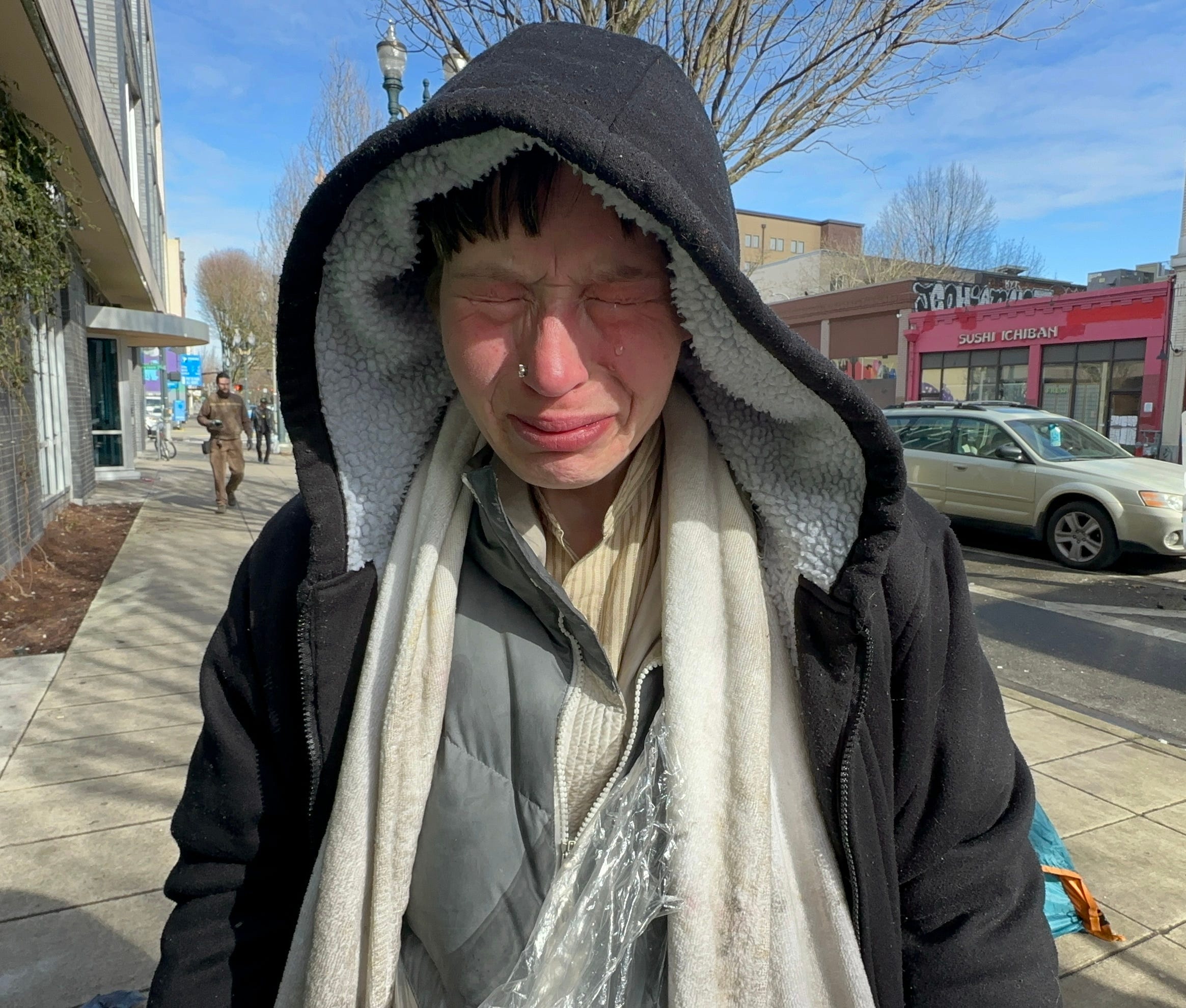
I entered the Pit, a notorious homeless encampment tucked beside the on-ramp of the Steel Bridge in Old Town Portland. As I walked past the camps, stepped over needles, and watched burnt pieces of tin foil blow like autumn leaves across my steel-toed boots, I met Aaron.
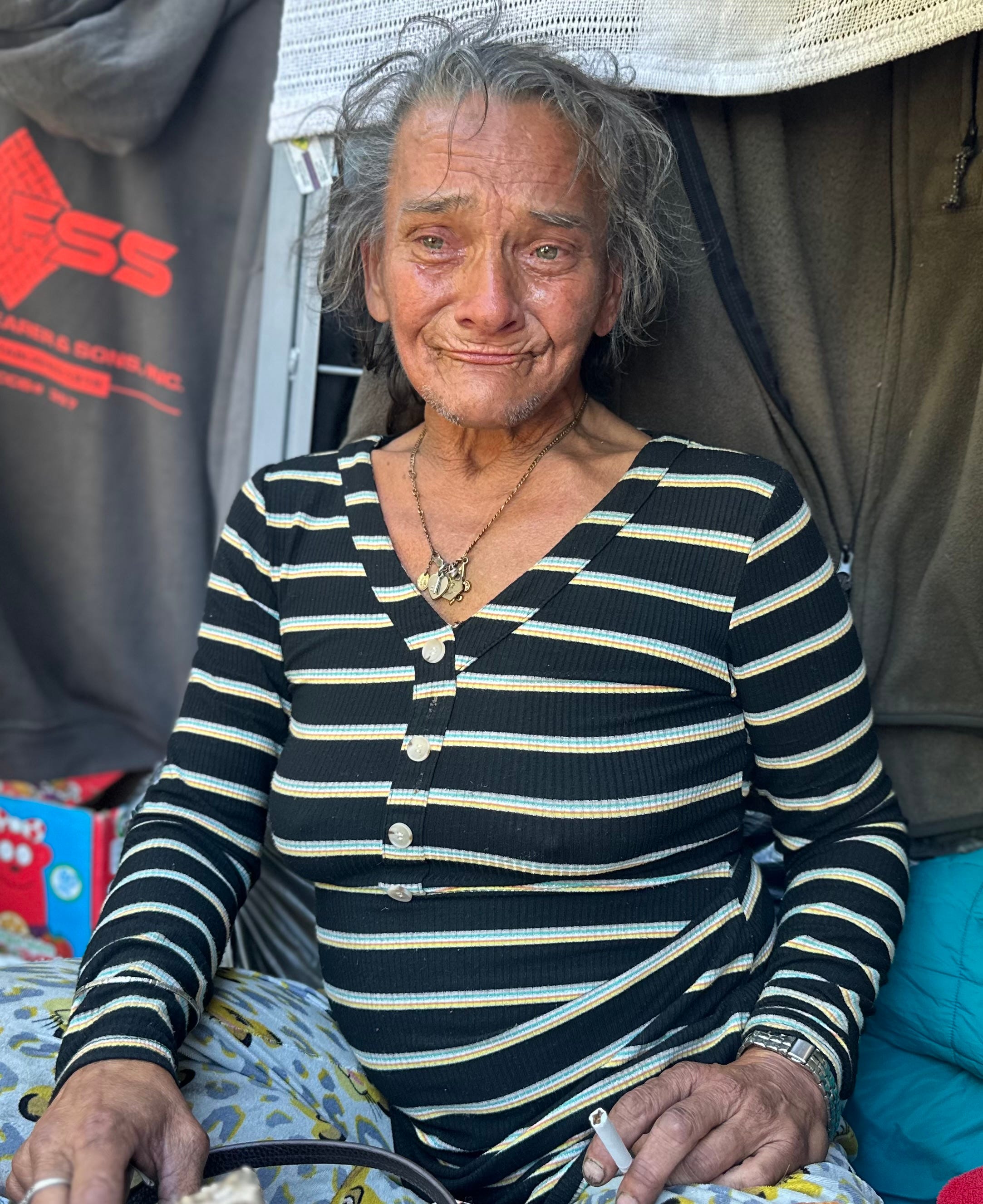
He stood with his back against a concrete wall, crying.
When I approached him, it was immediately clear that whatever he was carrying ran deep. As we talked, he spoke about severe childhood trauma that began when he was five years old, violent beatings from his father. He didn’t hesitate to connect that pain to his drinking. Alcohol, he said, helped him escape his past.
Public conversations about homelessness and addiction almost always begin at the point of visibility. Tents appear. Needles show up. Emergency rooms fill. Police are called. Neighborhoods grow frustrated. What rarely gets examined is what came long before any of that. Before the first night outside, before the first drug, before the first arrest or relapse, there is almost always a childhood shaped by instability, fear, or harm.
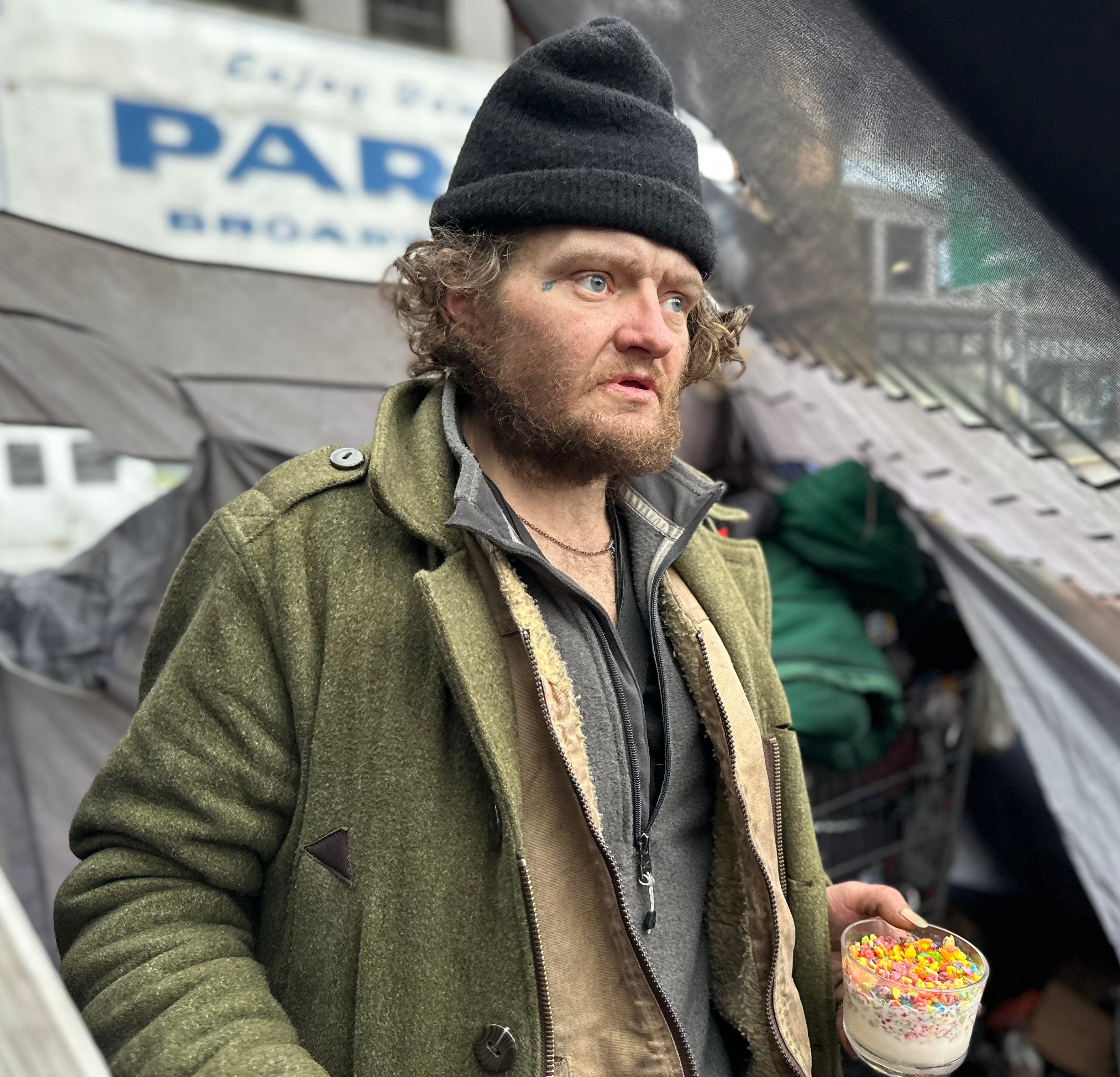
I met Corey living on a sidewalk in downtown Portland. He was eating a bowl of cereal and trying to repair his tent that had been recently slashed with a knife. He was raised by a mother addicted to drugs and became homeless at six years old. After years in a state hospital, he was placed with extremely abusive foster parents. He finally escaped and has been homeless ever since.
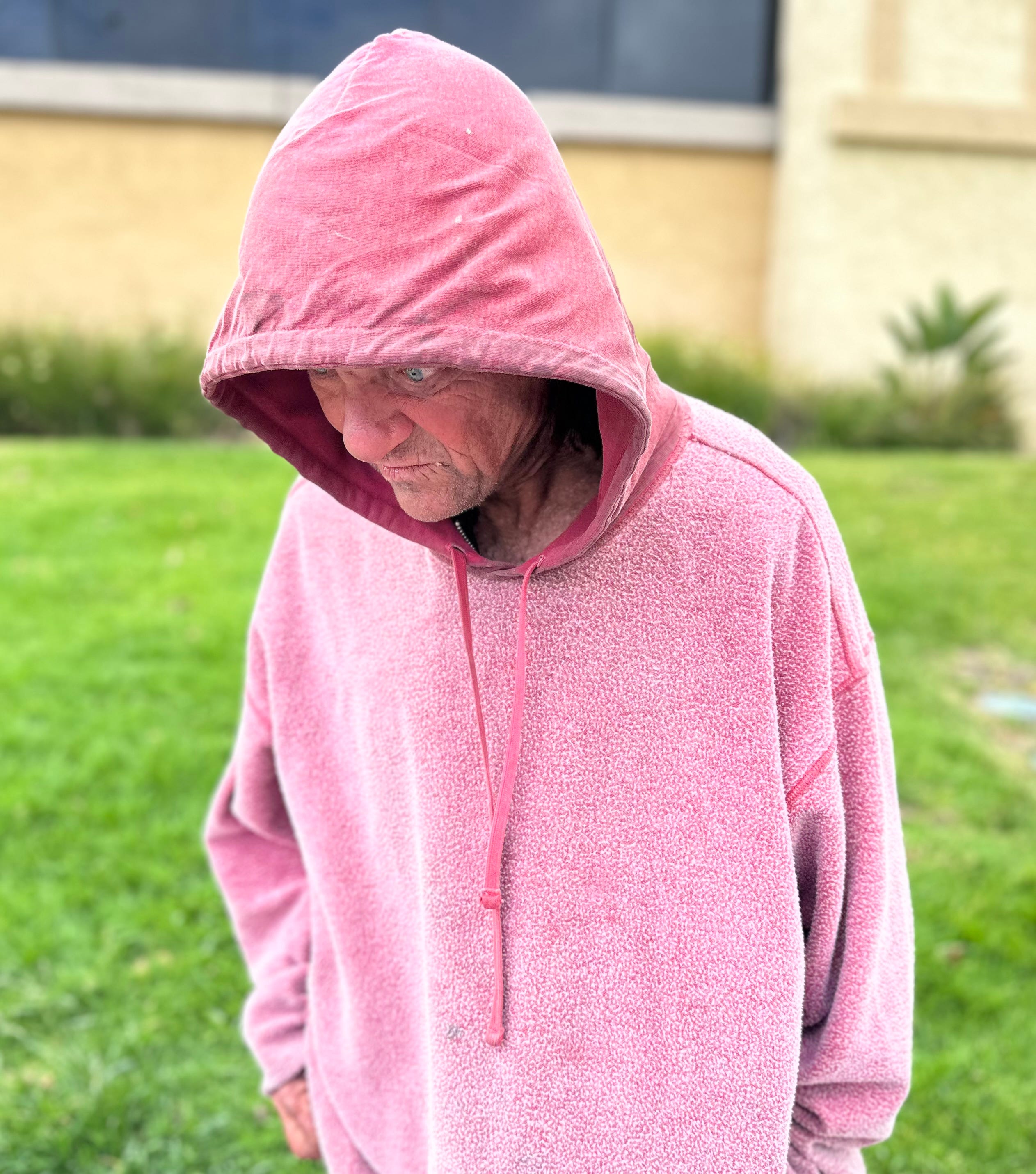
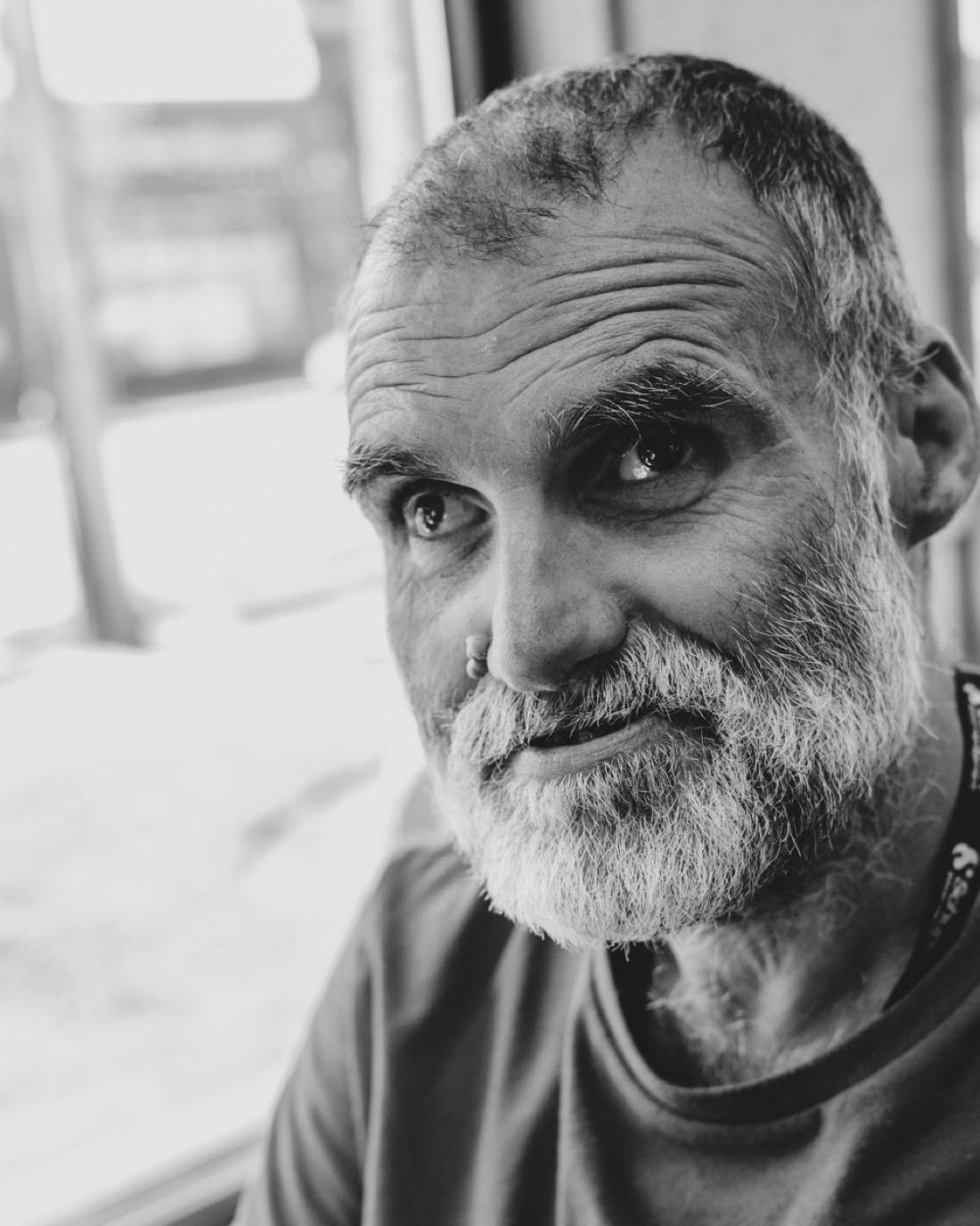
Paul, a homeless man with cerebral palsy and multiple sclerosis, shared how his guardians often locked him in a room for days and physically abused him. He is now over fifty and still haunted by his childhood. I’ve taken Paul to lunch about once a month for the past year. His family has offered to take him in, but he remains deeply resistant, given what some family members did to him. Trauma doesn’t fade just because time passes.
Spend enough time talking with people living on the streets or in shelters and patterns emerge that are too consistent to ignore. Ask how someone became homeless and you’ll hear familiar explanations: job loss, illness, a relationship ending, rising rents, or aging out of foster care. These explanations aren’t wrong, but they are incomplete. When the conversation turns to childhood, something shifts. Voices slow. Eyes drop. The details get heavier. Abuse. Neglect. Abandonment. Addiction in the home. Violence. Chaos.
For many people, childhood wasn’t something they outgrew. It was something they carried forward.
I’ve worked with thousands of homeless people over the last three decades. In my experience, well over 90% endured significant childhood trauma. This reality is rarely discussed because homelessness is still framed as an issue of affordable housing rather than unresolved abuse. People aren’t seen as victims of childhood harm; they’re grouped into a simplified category that’s easier for the public to digest.
Research supports what’s visible on the street. Multiple studies show childhood abuse is far more common among people experiencing homelessness than in the general population. A longitudinal Dutch study following more than 500 homeless adults across four major cities found that those with histories of emotional, physical, or sexual abuse were consistently worse off across nearly every measure of daily life upon entering social relief systems, mental health, employment, finances, safety, social relationships, and self-regulation.
This is why trauma-informed care must be central to every intervention. Trauma-informed care means approaching every person with the assumption that trauma is likely present, and acting accordingly. This does not mean enabling or avoiding accountability. It means empowering people and helping them reach their full potential by responding to what they’ve survived, not just what they’re doing.
Trauma does not expire at adulthood. When harm goes unaddressed, it reshapes brain development and the nervous system. People raised in constant danger become wired for survival rather than stability. Hypervigilance replaces trust. Control becomes a necessity. Calm feels unfamiliar, sometimes even threatening.
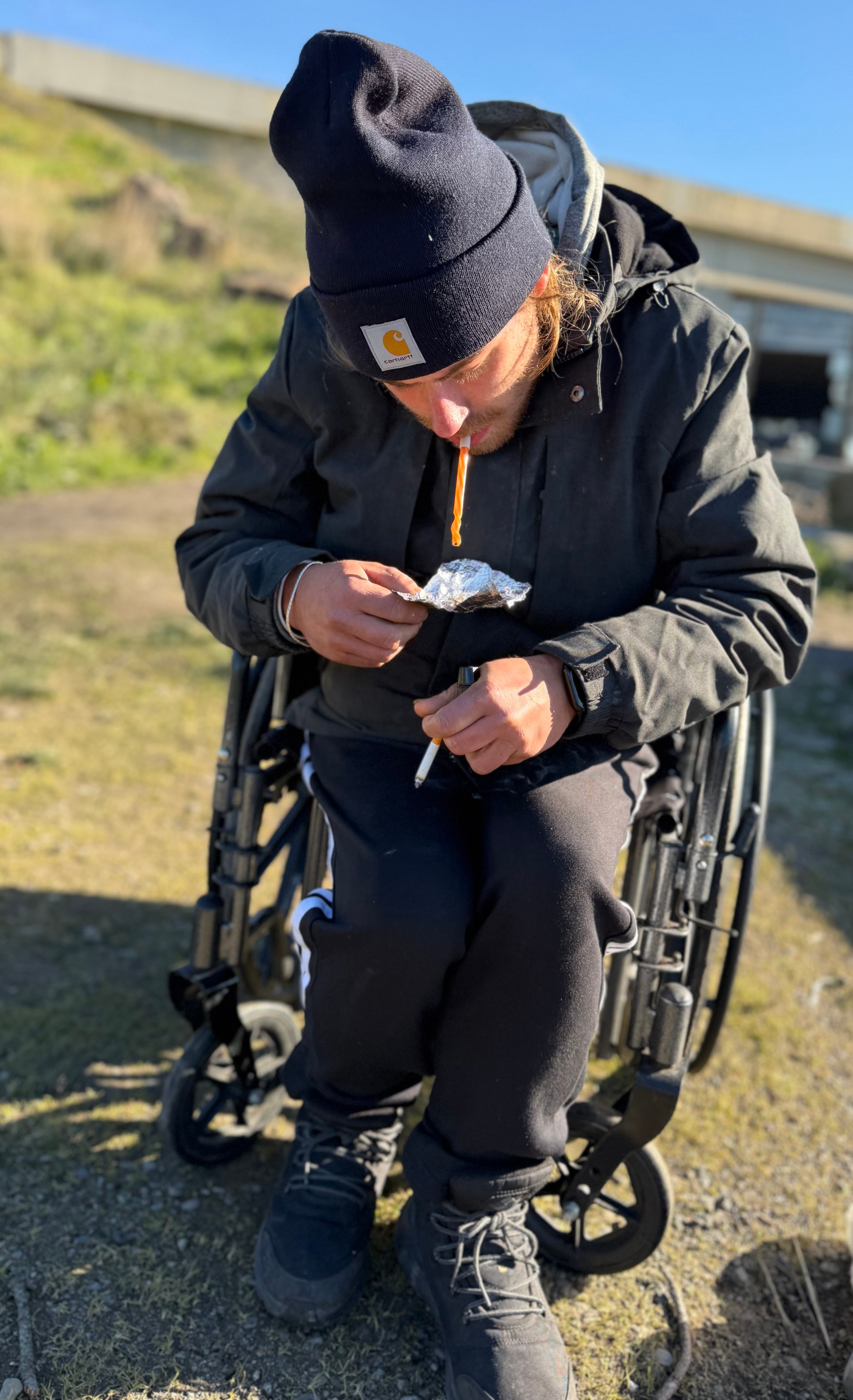
Substances often enter this picture not as reckless choices but as relief. Drugs and alcohol quiet intrusive memories, dull emotional pain, and slow anxiety. For many, addiction is not the origin of the crisis; it’s the first thing that ever worked. It becomes a coping strategy long before it becomes a visible problem.
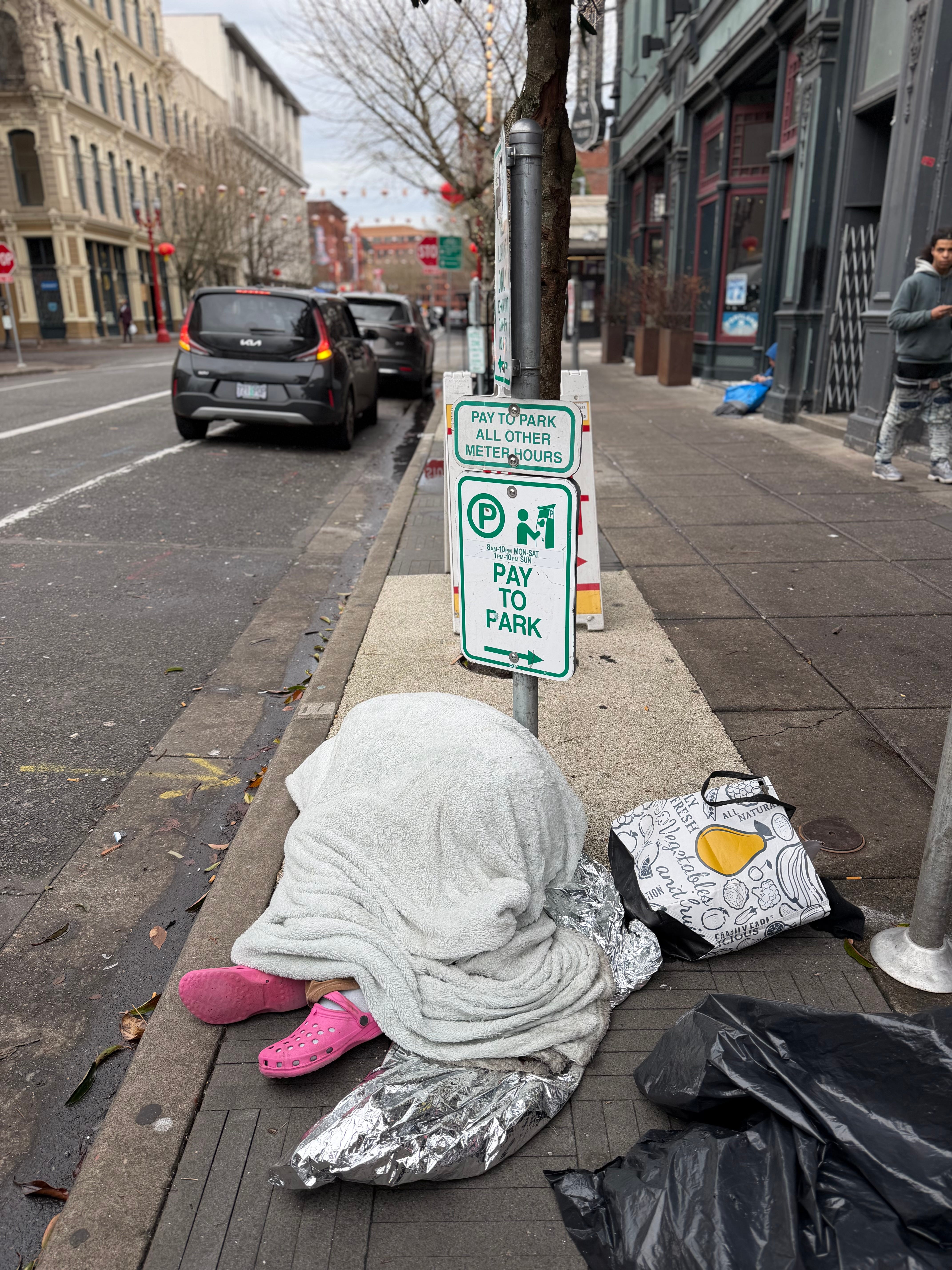
Walking down NE 2nd and Couch in Old Town Portland, I met two homeless men, one in a wheelchair, the other lying on a sidewalk bed. Both openly shared histories of severe childhood abuse: sexual abuse, physical violence, malnutrition, and abandonment. Both directly linked their life trajectories to their adverse childhood experiences. Both freely admitted they are addicts.
This reality clashes with how society prefers to talk about addiction. We frame it as a behavioral failure rather than a trauma response, and in doing so, we design systems incapable of addressing its root.
A striking number of homeless people had early contact with child welfare systems, foster care, juvenile detention, or behavioral institutions. Intervention happened. Healing did not. When those systems ended, trauma remained. Without stable relationships or long-term support, adulthood became a continuation of survival rather than a chance to reset.
By the time someone is living in a tent, addiction is often framed as the barrier to housing. In reality, addiction is frequently the consequence of never having experienced consistent emotional or physical safety. Housing fails not because people are unwilling, but because trauma was never part of the plan.
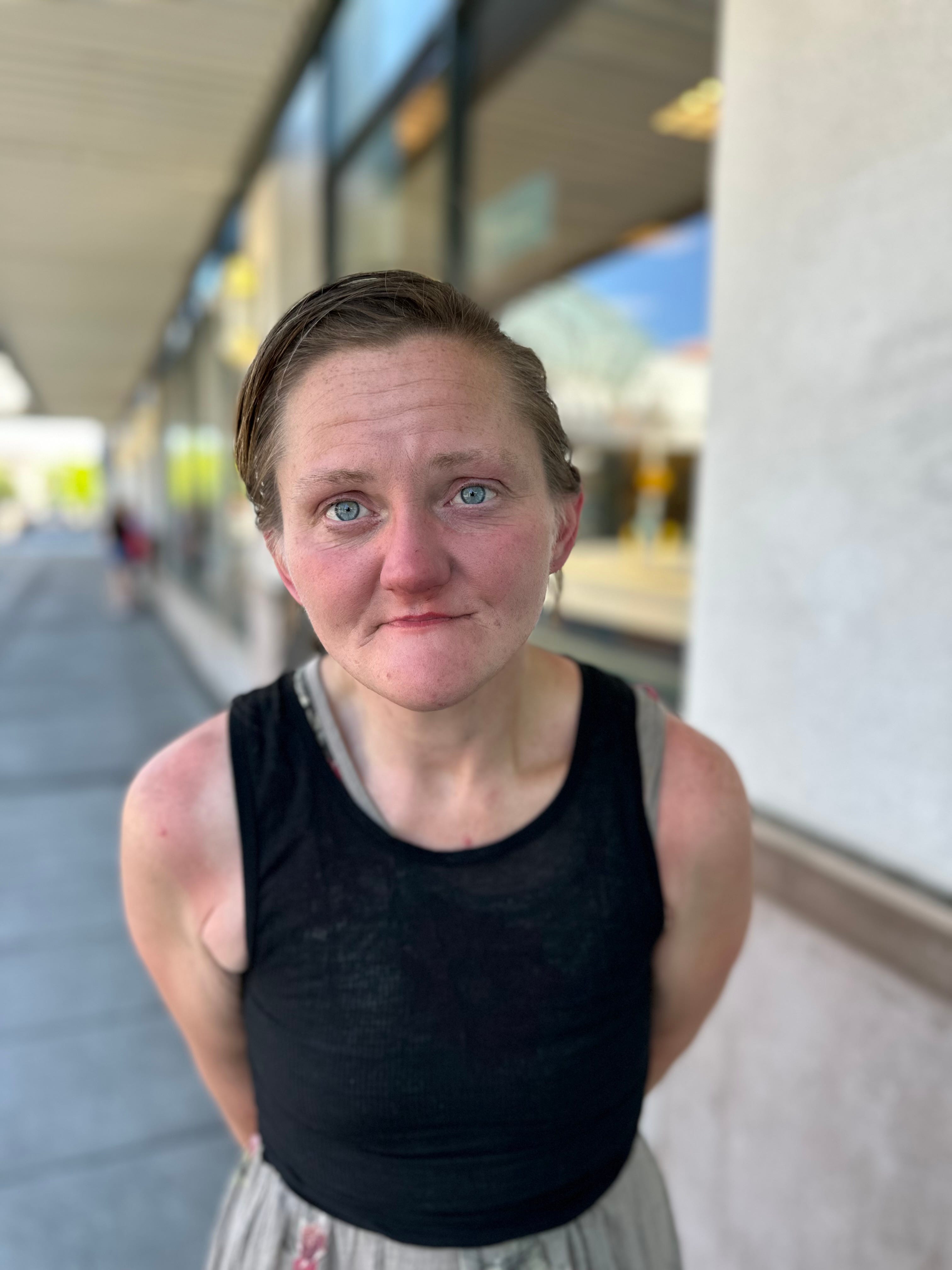
Modern social service systems are built around rules, timelines, documentation, and compliance. Success is measured in appointments kept and boxes checked. Trauma survivors live in a different internal reality, one organized around safety, mistrust, and survival instincts shaped over decades.
We expect people with long histories of abuse to immediately trust strangers, follow rigid rules, manage complex paperwork, and regulate emotions well enough to navigate bureaucracy. When they can’t, the system labels them noncompliant or resistant. On the street, this isn’t failure; it’s predictable.
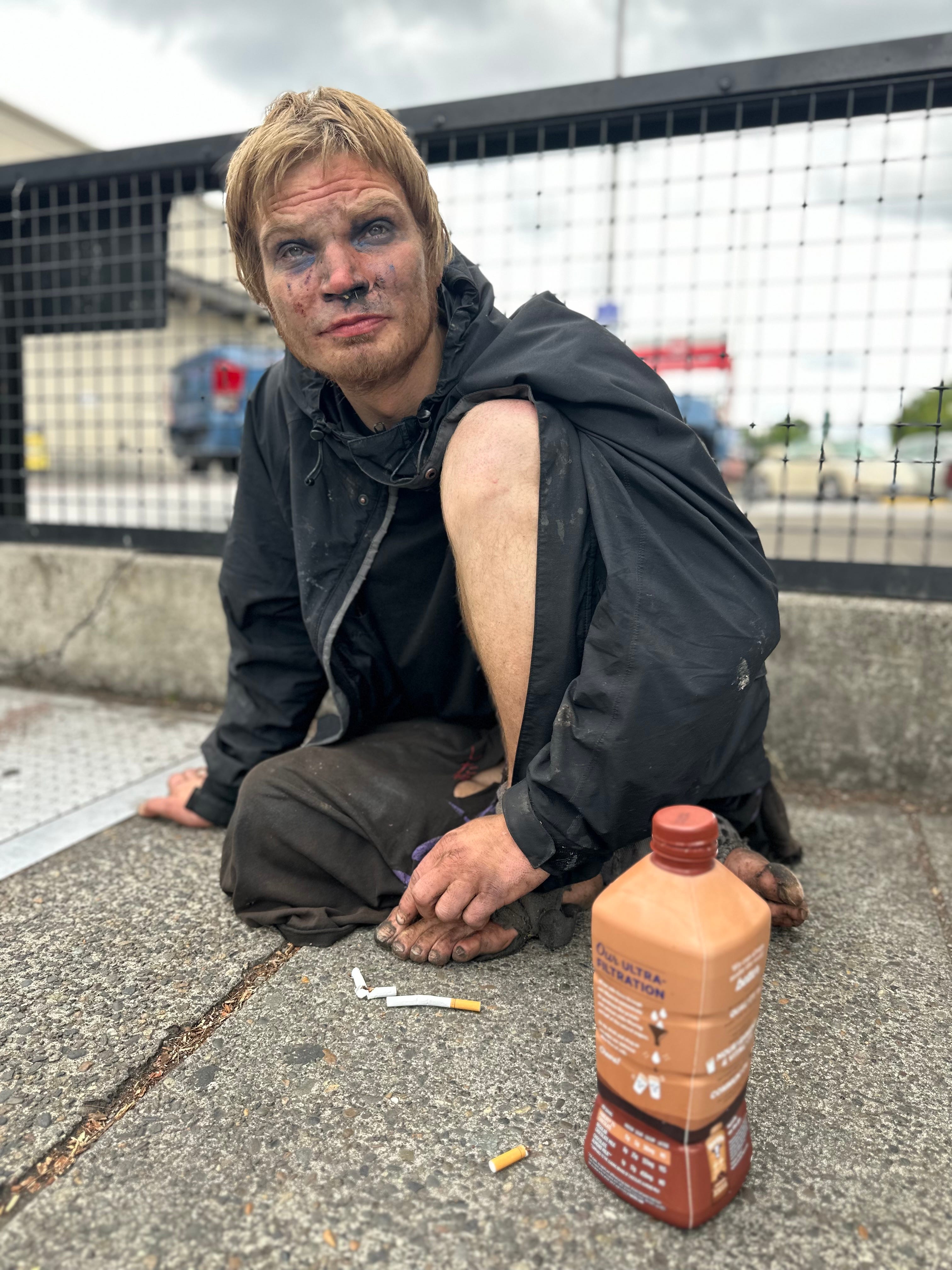
Frontline workers understand this tension, but they are constrained by funding requirements and institutional rigidity. I know this firsthand. I worked on the front lines for thirty years, and often the system dictated not what we could do, but what we couldn’t. Over time, it became easier to group all homeless individuals into a few simplified categories. Someone with severe childhood trauma, addiction, and mental illness became labeled as a victim of housing costs who turned to drugs, an explanation that felt manageable but missed the truth.
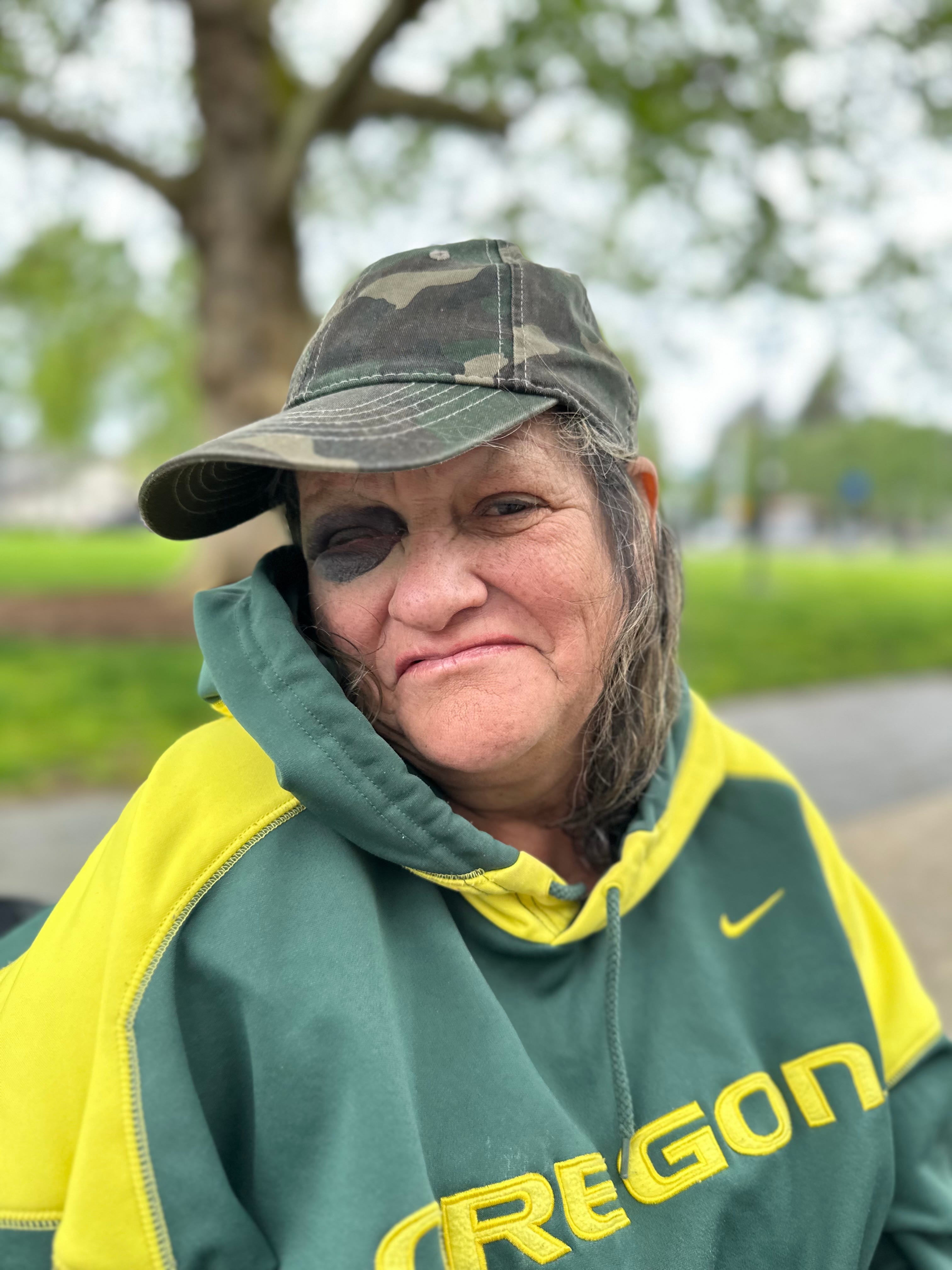
Acknowledging childhood trauma as a central driver of homelessness and addiction disrupts familiar narratives. It challenges the idea that these crises stem primarily from poor choices or personal irresponsibility. It also complicates political talking points across the spectrum. Trauma cannot be punished away, and it cannot be solved with slogans or short-term programs.
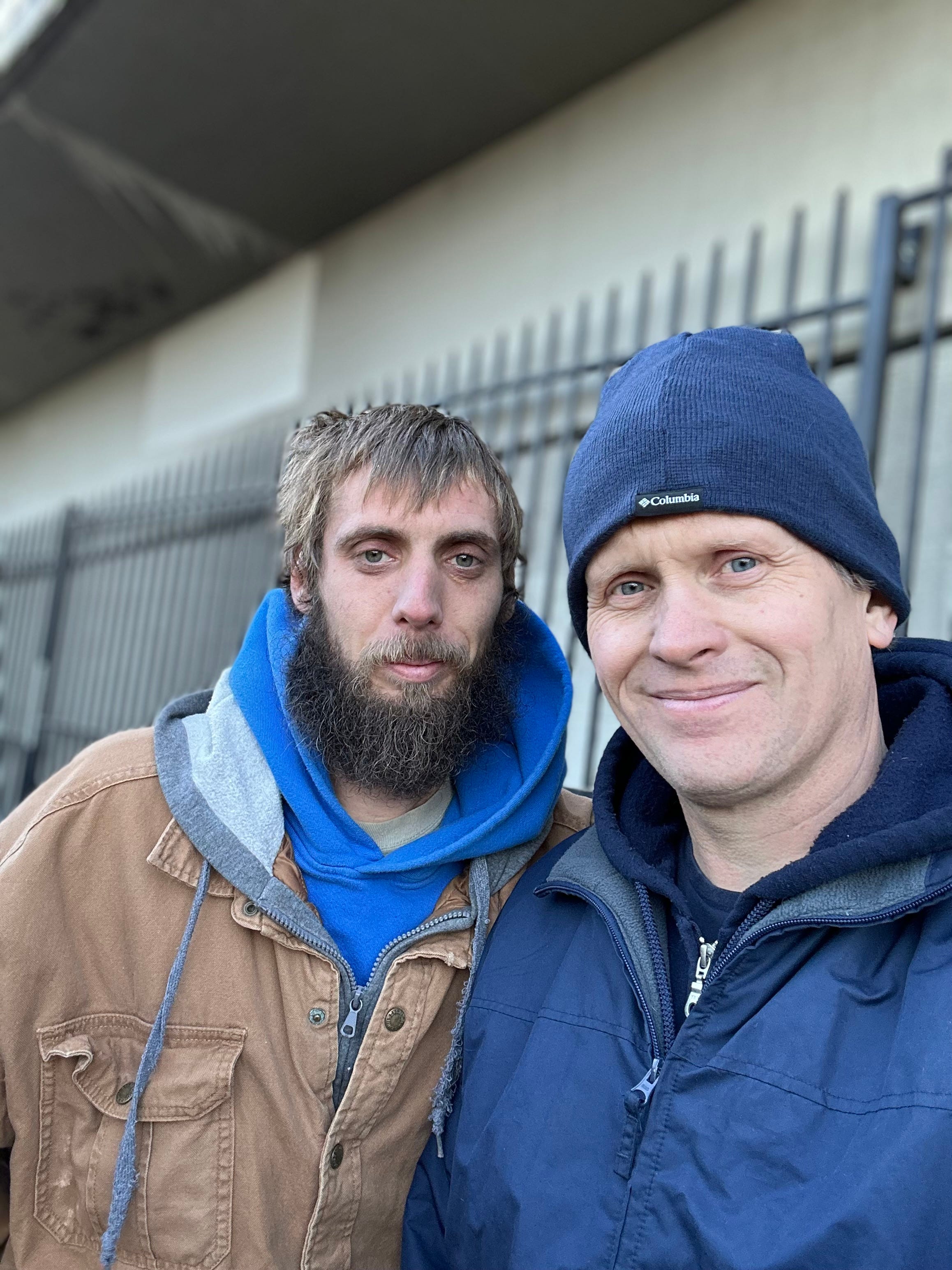
Real solutions require time, flexibility, and sustained human connection. They are expensive. They are slow. They resist clean metrics. Most importantly, they require society to accept responsibility for harm that occurred long before someone ever touched a drug or slept outside.
Homelessness is not where the story begins.
It is where years of ignored trauma finally become impossible to ignore.
As for Aaron, I maintain regular contact with him. He is no longer homeless and is trying to stay clean. He knows to call me anytime he is craving alcohol. He has a lot of work to do, but I am confident he can someday find peace.
Please share and consider becomming a paid subscriber to support my independent journalism.
I swear, this is one of your best articles. Every city leader in Portland needs to read this!
Great Article written with insight intelligence and compassion.